





Choose Your Footwear Wisely
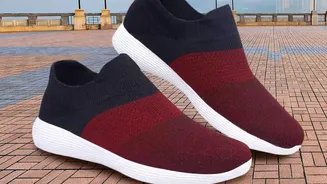
The single most effective habit for monsoon foot health starts with your shoes. During the rainy season, your fashionable leather shoes and canvas sneakers become enemies of foot hygiene. These materials absorb and retain water, taking a long time to
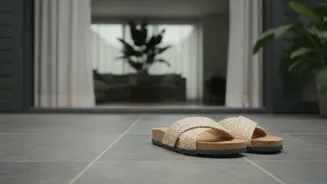
dry and creating a perfect breeding ground for fungi and bacteria. Instead, make the switch to open-toed, waterproof footwear. Floaters, rubber sandals, and flip-flops are ideal as they allow water to drain away and air to circulate, helping your feet dry faster. If closed shoes are mandatory for work, opt for those made from breathable synthetic materials and ensure they are not too tight, as this can trap sweat and increase friction.
Master the Post-Commute Ritual
What you do the moment you get home is critical. Don't walk around in damp shoes or socks for any longer than necessary. Make it a non-negotiable habit to remove your footwear immediately and wash your feet thoroughly. Use lukewarm water and a mild soap or antiseptic wash to get rid of the dirt, grime, and potential pathogens collected from wading through street water. This simple act of cleansing removes the primary source of potential infections before they have a chance to take hold. It’s a five-minute ritual that can save you weeks of discomfort.
Dry, Dry, and Dry Again
Washing your feet is only half the battle; drying them properly is the masterstroke. Fungi and bacteria thrive in moist environments, and the space between your toes is their favourite hiding spot. After every wash, take a clean, dry towel and pat your feet dry with deliberate care. Pay special attention to drying the web spaces between each toe. Leaving even a little moisture behind can be enough to encourage fungal growth, leading to common monsoon problems like Athlete's Foot, which causes itching, cracking, and peeling skin. Being meticulous here is your best defence.
Leverage the Power of Powder
Once your feet are completely dry, take an extra step to keep them that way. Applying an antifungal or absorbent talcum powder can make a huge difference, especially if your feet tend to sweat a lot. The powder works by absorbing excess moisture throughout the day, keeping the skin dry and creating an environment that is hostile to fungal growth. Lightly dust the powder over your soles, heels, and particularly between the toes. You can also sprinkle a little inside your shoes before wearing them for an added layer of protection against dampness and odour.
Rethink Your Sock Strategy
If you must wear closed shoes, your choice of socks is crucial. Always opt for socks made from moisture-wicking materials like cotton or bamboo, which help draw sweat away from the skin. Avoid nylon socks, which trap moisture. The most important habit, however, is to never tolerate damp socks. If your socks get wet from rain or sweat, change into a fresh, dry pair as soon as possible. It’s a good practice to carry an extra pair in your bag during your commute. Wearing damp socks against your skin for hours is like sending an open invitation to fungal and bacterial infections.
Give Your Shoes a Day Off
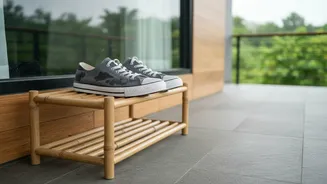
Even if your shoes don't feel soaking wet, the humidity in the air means they are likely holding onto some moisture. Wearing the same pair of shoes every day prevents them from drying out completely. A key habit for monsoon foot care is to rotate your footwear. Have at least two pairs of daily-wear shoes and alternate between them. This gives each pair a full 24 to 48 hours to air out and dry completely, preventing the buildup of bacteria and the dreaded damp shoe smell. Let them dry in a well-ventilated area rather than a closed shoe rack.
Don't Forget Weekly Maintenance
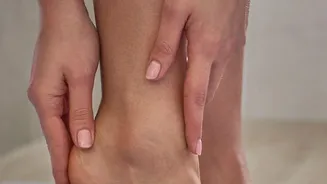
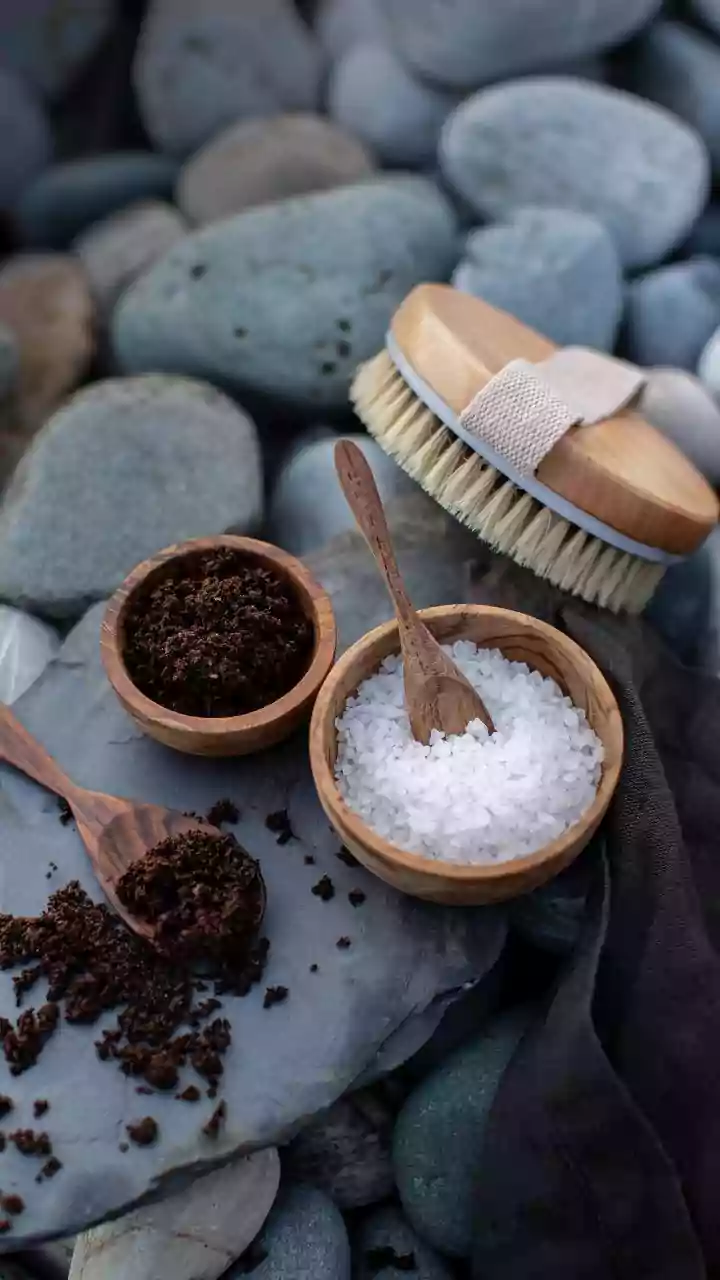
A little weekly care goes a long way. Once a week, set aside time to gently exfoliate your feet. Soaking them in warm water and using a pumice stone can help remove dead skin cells, which can otherwise trap bacteria. Also, keep your toenails trimmed short and straight across. Long nails can accumulate dirt and moisture, increasing the risk of painful nail infections. After exfoliating, you can apply a moisturiser to prevent cracked heels, but be careful to avoid applying it between the toes where it might trap moisture.