





Meet Sattu: The Original Superfood
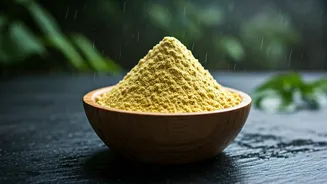
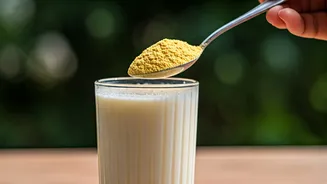
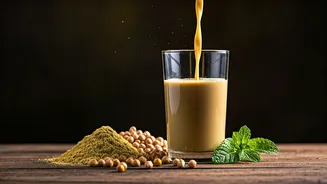
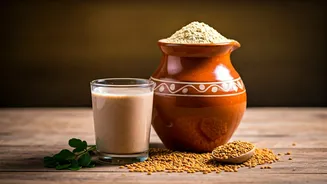
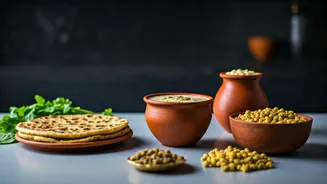
Before whey protein tubs lined our kitchen counters, there was sattu. A staple in states like Bihar, Jharkhand, and Uttar Pradesh, sattu is a flour made from roasted Bengal gram (kala chana). Traditionally known as a 'poor man's protein,' it's long been
valued for its cooling properties, high energy yield, and incredible shelf life. Labourers and farmers have consumed it for centuries as a nutritious meal, often mixed with water, salt, and onion to make a simple, fortifying drink or a doughy sattu ghol. It’s this very simplicity and authenticity that forms the foundation of its modern-day resurgence.
Why Is It Suddenly Viral?
The sattu shake's viral ascent is a perfect storm of modern wellness trends and timeless Indian wisdom. Firstly, there's the price. As the cost of whey protein and other imported supplements continues to rise, fitness enthusiasts are actively seeking affordable, local alternatives. Sattu fits the bill perfectly, offering a high-protein punch for a fraction of the cost. Secondly, there’s a growing movement towards 'clean' and natural ingredients. Sattu is a single-ingredient, plant-based food with no additives, preservatives, or complex processing. This appeals to a generation wary of long, unpronounceable ingredient lists. Finally, Indian fitness influencers have championed it as a legitimate, effective 'desi' alternative, giving it the visibility and credibility it needed to explode on social media platforms like Instagram and YouTube.
The Nutritional Punch: Sattu vs. Whey
So, how does sattu stack up nutritionally? It’s surprisingly potent. A 100-gram serving of sattu contains roughly 20-25 grams of protein, a significant amount of dietary fibre (around 10-15 grams), complex carbohydrates for sustained energy, and essential minerals like iron, manganese, and magnesium. Unlike whey concentrate, it’s naturally low-fat and lactose-free, making it a great option for those with dietary sensitivities. While whey protein is absorbed faster by the body, making it ideal for immediate post-workout recovery, sattu’s high fibre content ensures a slower, more sustained release of energy and nutrients, promoting feelings of fullness and aiding digestion. It’s not about one being definitively better, but about understanding their different strengths.
How to Make the Viral Shake
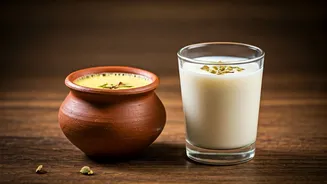
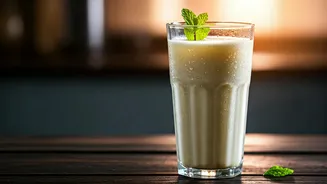
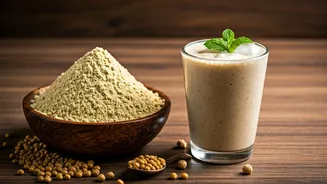
Ready to try it? Making a sattu protein shake is incredibly simple. While fancy recipes with almond milk and chia seeds exist, the classic version is just as effective. Here’s a basic, customizable recipe: **Ingredients:** - 3-4 tablespoons of Sattu powder - 250-300 ml of cold water or milk (dairy or plant-based) - 1-2 teaspoons of jaggery powder or honey (to taste) - A pinch of black salt (kala namak) - A squeeze of lemon juice (optional, for a savoury tang) **Instructions:** 1. In a glass or shaker, add the sattu powder. 2. Slowly pour in a small amount of water or milk and whisk to form a smooth, lump-free paste. This is the most important step to avoid a clumpy drink. 3. Once the paste is smooth, add the rest of the liquid, jaggery/honey, and black salt. 4. Stir vigorously or shake until everything is well combined. 5. Add a squeeze of lemon if desired, and enjoy immediately.
The Expert Verdict: Is It Worth It?
The consensus among nutritionists is overwhelmingly positive. Sattu is celebrated as an excellent, nutrient-dense food. Its combination of protein and fibre makes it fantastic for weight management, blood sugar regulation, and gut health. It’s a powerful, natural supplement that can easily be incorporated into most diets. However, it's important to frame it correctly. For serious athletes or bodybuilders with very specific and high protein requirements, sattu may not be a complete replacement for fast-acting whey, but it can be an exceptional addition to their nutritional arsenal. For the average person looking to boost their protein intake, stay full longer, and do so on a budget, the sattu shake is an almost unbeatable option.