


Makhana: The Versatile Powerhouse
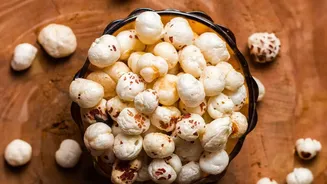
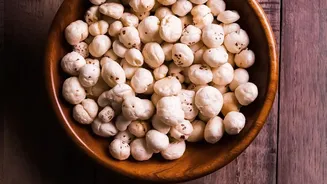
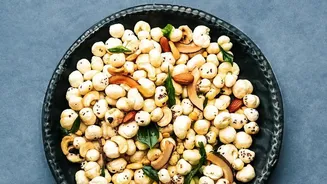
Makhana, or fox nuts, are the puffed seeds of the lotus flower and a superstar of the fasting pantry. Low in calories and fat, they are an excellent source of protein, carbohydrates, and essential minerals like magnesium and potassium. Their low sodium
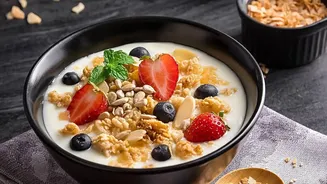
content makes them particularly beneficial for those managing blood pressure. What makes them ideal for vrat is their light yet satisfying nature. They are not grains, which are typically avoided during fasts. Makhana can be roasted with a pinch of rock salt (sendha namak) for a simple, crunchy snack that provides sustained energy. Beyond snacking, they are incredibly versatile. They can be ground into a flour for rotis, added to vegetable curries to provide body and texture, or used to make the ever-popular makhana kheer, a creamy dessert that feels indulgent without breaking the rules of the fast. Their ability to absorb flavours makes them a fantastic addition to both savoury and sweet dishes.
Kuttu: The Gluten-Free Energiser
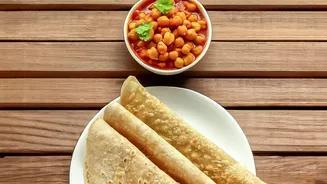
Kuttu ka atta, or buckwheat flour, is another essential for vrat cooking. Despite its name, buckwheat is not a type of wheat but a fruit seed, making it a pseudo-cereal. This is crucial because it means kuttu is naturally gluten-free and permitted during fasts when grains are forbidden. It is packed with high-quality protein, containing all nine essential amino acids. Furthermore, it's rich in dietary fibre, which aids digestion and helps maintain a feeling of fullness, a welcome benefit during long fasting hours. It also boasts a good profile of minerals like magnesium, iron, and phosphorus. Its slightly nutty and earthy flavour lends itself well to a variety of dishes. The most common preparations include kuttu ki puri and kuttu ka cheela, savoury pancakes that are both delicious and filling. The flour is also used to make parathas, pakoras, and even desserts like halwa. Its dense nutritional profile ensures that those fasting receive a steady supply of energy to get through the day.
Rajgira: The Nutrient-Dense Ancient Grain
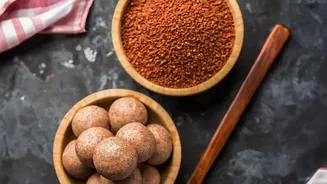
Rajgira, also known as amaranth, is a tiny pseudo-cereal that packs a mighty nutritional punch. Like kuttu, it is gluten-free and has been a staple in India for centuries. Rajgira is a fantastic source of protein and is particularly rich in lysine, an amino acid that is often lacking in other grains. It is also loaded with calcium, iron, and fibre. During a fast, rajgira provides wholesome energy and helps in keeping blood sugar levels stable. The flour, or rajgira ka atta, is widely used to prepare a range of vrat-friendly foods. Soft and pliable rotis and parathas made from rajgira are a common sight in fasting households. The whole seeds can be popped like popcorn to make a light snack or used to create chikki (a sweet brittle) with jaggery. For those with a sweet tooth, rajgira flour can be used to make sheera (a sweet pudding) or ladoos, providing a healthy and permissible way to enjoy desserts during the fasting period. Its versatility and robust nutritional content make it a valuable component of any vrat diet.