
The Coolest Drink in the House
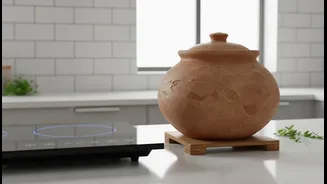
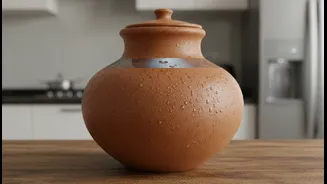
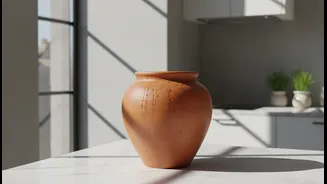
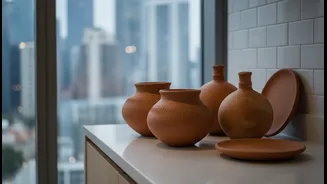
Long before refrigerators became a kitchen staple, the earthen pot was India’s original water cooler. Its magic lies in its porous nature. Tiny, microscopic pores on the surface allow for constant, slow evaporation, a process that naturally cools the water inside,
often bringing it to a temperature that is perfectly refreshing without the shocking cold of refrigerated water. This age-old technology is not just about temperature; it’s about wellness. Water stored in a clay pot is gentle on the throat and can be a blessing for those prone to colds and coughs. Furthermore, clay is naturally alkaline. When water is stored in an earthen pot, it can help balance the water's pH levels, counteracting the slight acidity often found in tap water. This can aid digestion and reduce acidity-related discomfort.
A Healthier Way to Cook
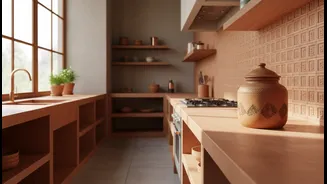
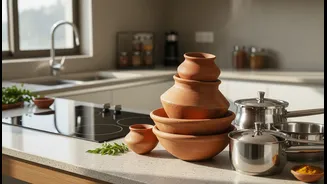
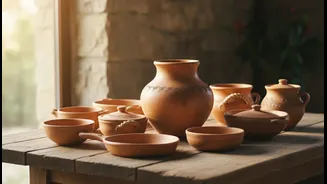
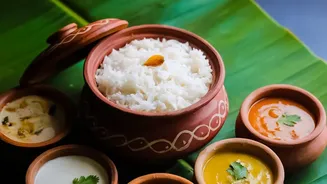
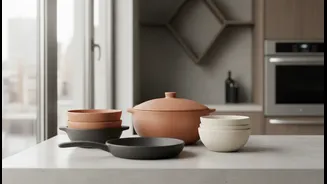
The revival of earthen pots, or handis, for cooking is a direct response to a growing desire for healthier meals. Unlike metal cookware, clay is porous, allowing for the slow and even circulation of heat and moisture. This slow cooking process helps retain the natural nutrients in food that can be destroyed by high heat. It also means you often need less oil, as the food cooks in its own juices, making meals lower in fat. Clay’s alkaline properties come into play here as well, helping to neutralize the acidity in foods like tomatoes and tamarind, which can make dishes easier to digest. There is also the significant benefit of avoiding chemical leaching. Unlike some non-stick or metal pans, pure, unglazed clay pots do not release harmful chemicals into your food, ensuring a safer cooking experience.
A Sustainable and Conscious Choice
In a world grappling with plastic waste and environmental concerns, earthen pots stand out as a model of sustainability. Made from natural clay, they are completely biodegradable, returning to the earth without leaving a trace of pollution. This makes them a far more eco-friendly choice compared to plastic containers or even metal cookware, which requires significant energy and resources to produce and often ends up in landfills. Choosing to use earthen pots also supports local artisans and preserves a craft tradition that has been passed down through generations. By bringing these items back into our homes, we are not just making a healthy choice for ourselves, but also a conscious choice for the planet and for our communities.
From Kitchen to Living Room
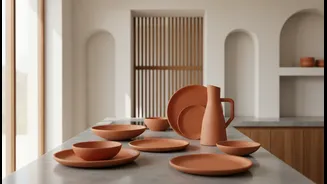
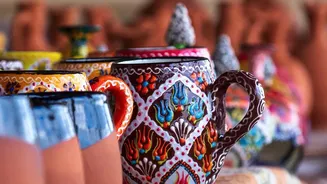
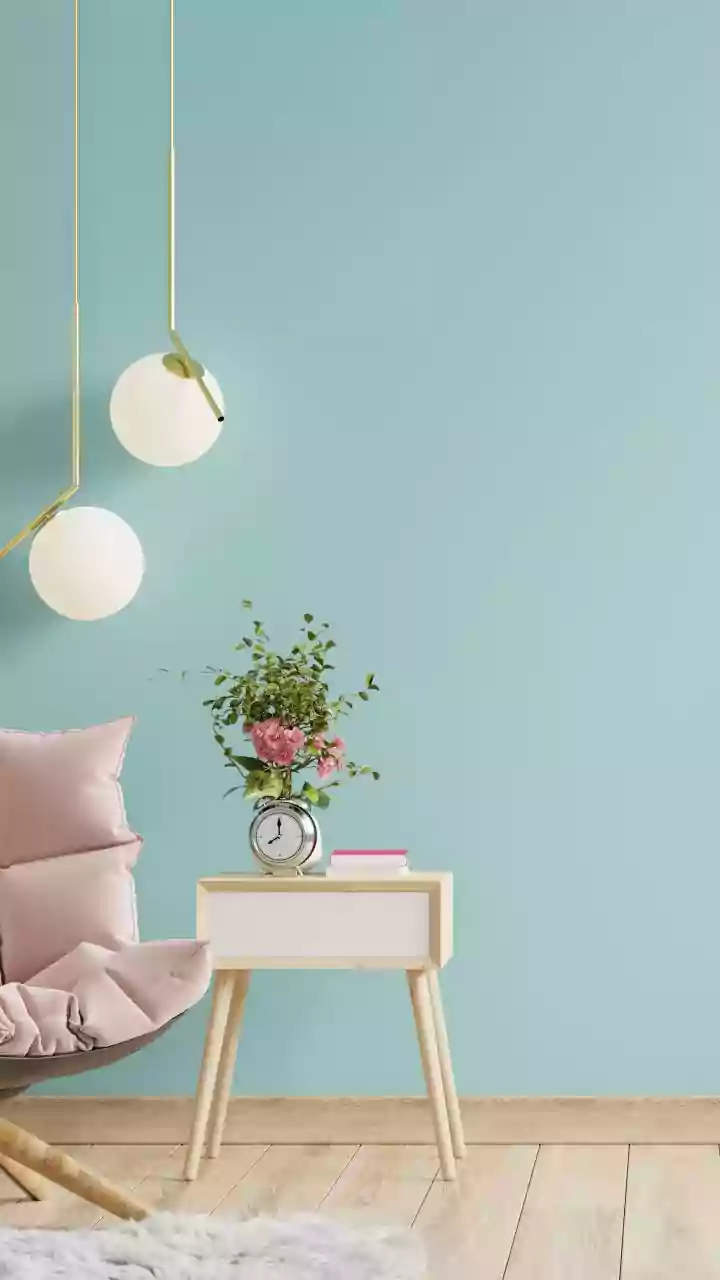
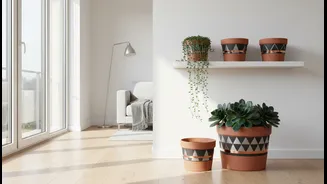
The appeal of earthen pots today extends well beyond their functional benefits in the kitchen. They have become a chic statement in modern Indian home decor. Their rustic charm and earthy texture add a touch of warmth and authenticity to contemporary interiors. A large, beautifully shaped matka can serve as a stunning floor vase in a living room corner, while smaller painted pots can be used as planters for succulents or as tabletop decor. Designers and homeowners are increasingly using terracotta elements—from simple pots to intricate wall hangings—to create a connection to nature and heritage within urban spaces. They can be hand-painted with traditional motifs or left in their natural state, offering a versatile aesthetic that complements both minimalist and eclectic styles.