




Lentils: The Fibre-Rich Foundation
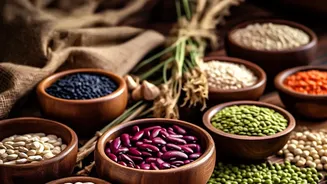
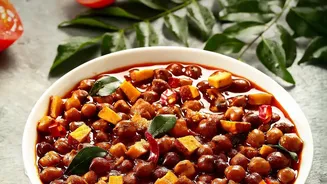
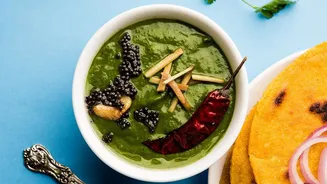
Lentils, or dal, are a cornerstone of Indian cuisine for a good reason. A single cooked cup offers around 18 grams of protein, making it a fantastic plant-based source. But their benefits go far beyond just protein. Lentils are packed with dietary fibre,
which aids digestion, promotes a feeling of fullness, and helps stabilize blood sugar levels. They are also a great source of essential nutrients like iron, which is crucial for fighting fatigue, and folate, a B-vitamin vital for cell growth and function. While lentils are a protein powerhouse, they are technically an 'incomplete' protein, meaning they are low in certain essential amino acids like methionine. This is why pairing them with other foods is so important.
Paneer: The Traditional Protein Powerhouse
Paneer is a beloved staple in vegetarian households across India. As a fresh cheese, it is a rich source of high-quality casein protein, which digests slowly and provides a steady supply of amino acids to the body. This makes it excellent for muscle repair and growth. A 100-gram serving can provide between 18 to 20 grams of protein. Beyond protein, paneer is loaded with calcium and phosphorus, two minerals essential for building and maintaining strong bones and teeth. While paneer is a complete protein, meaning it contains all essential amino acids, it's important to consume it in moderation, as it is also high in saturated fat and calories.
Tofu: The Versatile Plant-Based Complete Protein
Tofu, made from soybeans, has become an increasingly popular paneer alternative, and for good reason. One of its biggest advantages is that it is one of the few plant-based foods considered a 'complete' protein, providing all nine essential amino acids your body needs. This makes it an excellent option for muscle building and overall health. Compared to paneer, firm tofu is significantly lower in calories and fat, particularly saturated fat, making it a lighter choice. A 100-gram serving of firm tofu contains around 8 to 17 grams of protein, depending on its firmness. Its neutral flavour allows it to absorb the spices of any dish, making it incredibly versatile in the kitchen.
The Power of Combination
While each of these ingredients is beneficial on its own, combining them creates a truly balanced and powerful nutritional profile. The concept of protein combining is key for vegetarians. For example, the amino acids that are low in lentils are present in paneer and tofu. By eating them together in the same day, you ensure your body receives the full spectrum of amino acids it needs for optimal function, similar to what is found in animal proteins. This synergy is not just about protein. The combination provides a mix of fast- and slow-digesting proteins from paneer and tofu, a rich supply of fibre and complex carbohydrates from lentils, and a wide array of vitamins and minerals. This balanced approach supports everything from sustained energy levels to muscle synthesis and digestive health.
Simple Ways to Combine the Trio
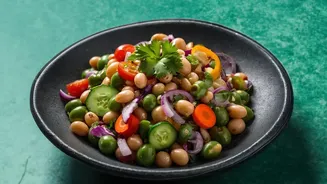
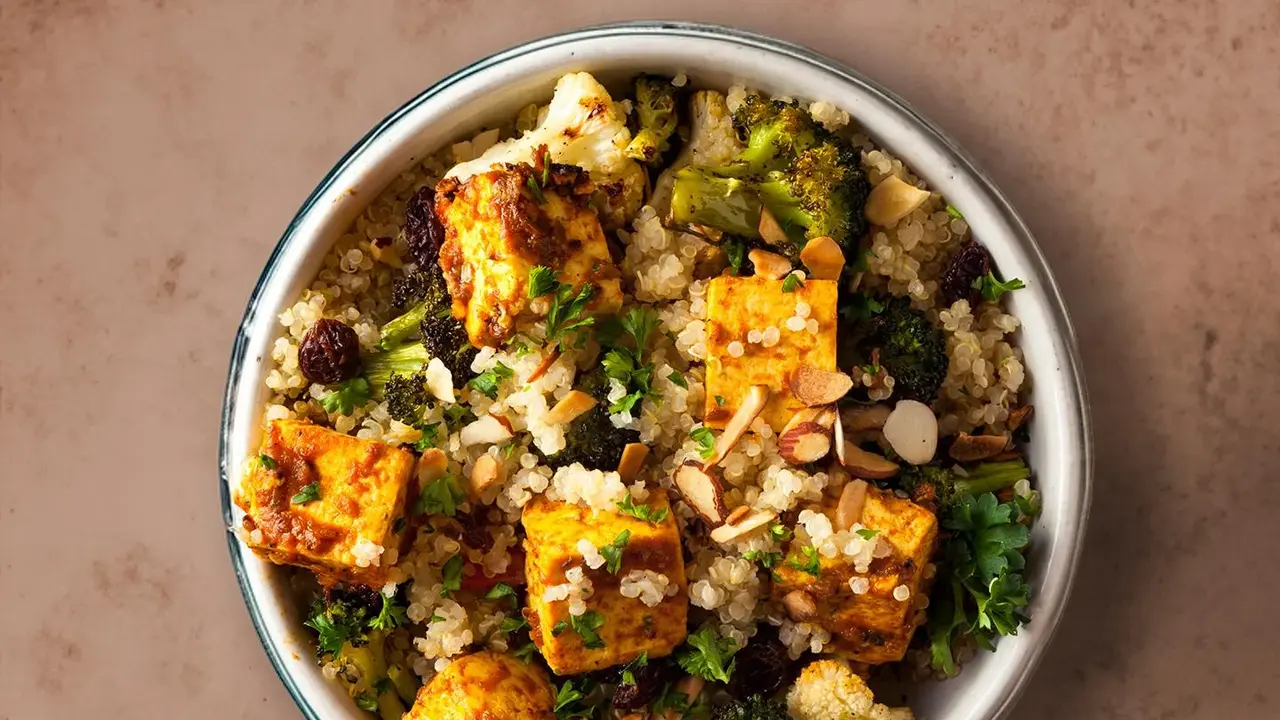
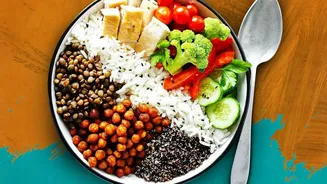
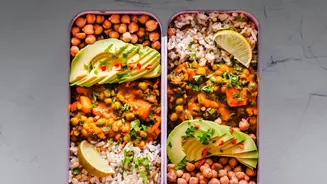
Incorporating lentils, paneer, and tofu into your diet doesn't have to be complicated. The goal is to include them throughout your day or week to get the combined benefits. For lunch, you could have a bowl of dal with a side of sautéed tofu and a small portion of paneer bhurji. A modern approach could be a 'protein bowl' featuring a base of lentil salad, topped with grilled paneer cubes and crispy pan-fried tofu. You could also make a mixed vegetable curry that includes all three ingredients, served with roti or brown rice. Even a simple wrap can be filled with spiced lentils, crumbled paneer, and scrambled tofu for a quick, protein-packed meal. The versatility of these three ingredients allows for endless creativity in the kitchen.