






The New Engines of Growth
India's economic narrative is no longer solely dominated by metropolitan hubs like Mumbai, Delhi, and Bengaluru. A significant transformation is happening in cities such as Jaipur, Indore, Lucknow, and Coimbatore. These urban centers, often categorized
as Tier 2 and Tier 3, are rapidly moving from the periphery to the core of the country's growth story. Data shows that these cities are no longer just emerging markets; they are becoming epicenters of consumption and commerce. In fact, festive season sales in recent years saw cities in these tiers contribute a majority of e-commerce orders, outperforming metros in growth momentum. This isn't a fleeting trend but a structural decentralization of economic power.
What's Fuelling the Boom?
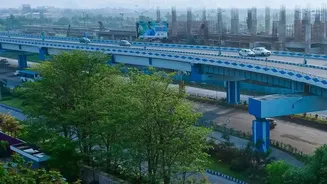
Several powerful forces are converging to drive this shift. A massive government-led push in infrastructure—including new highways, regional airports, and robust digital networks—has been a game-changer. This has dramatically improved connectivity, making smaller cities more attractive for businesses and talent. Simultaneously, the digital revolution, powered by affordable smartphones and widespread internet access, has democratized opportunity. With nearly a billion internet users in India, the majority of new additions now come from non-metro areas. This digital fluency, combined with rising disposable incomes and a new class of aspirational consumers, has created fertile ground for growth.
E-commerce and Retail's New Frontier
Nowhere is this shift more visible than in the e-commerce sector. Tier 2 and Tier 3 cities already account for over half of India's online shoppers, with the market expanding at a rapid pace. Major platforms like Amazon and Flipkart are deeply focused on these regions, but the story goes beyond just big players. Consumers in smaller cities are proving to be discerning, prioritizing product fit and value over just brand names. This has led to the rise of localized e-commerce platforms and strategies. Brands are increasingly using regional language content and local social media influencers to build trust and relatability. This granular approach recognizes that a one-size-fits-all metro strategy simply won't work in a diverse and nuanced market.
A Transformation in Bricks and Mortar
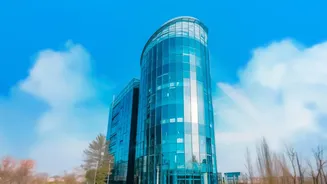
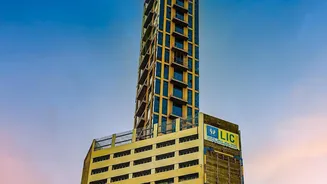
The boom isn't just digital; it's physically reshaping these cities. A recent report highlighted that 11 emerging cities, including Bhopal, Visakhapatnam, and Kochi, have seen residential property prices grow significantly faster than the top eight metro areas. Between 2021 and 2026, housing prices in these markets rose by an average of 63%, compared to 42% in the major metros. This real estate surge is supported by expanding commercial activity. Warehousing and logistics leasing in Tier 2 markets is robust, and organized retail is also making significant inroads, with dozens of shopping centers now established outside the major metropolitan areas. This indicates that consumer demand is spreading widely and sustainably.
Challenges on the Path to Progress
This rapid growth is not without its challenges. As these cities expand, they face the risk of repeating the mistakes made by the metros: strained infrastructure, traffic congestion, pollution, and a lack of affordable housing. The key will be to plan ahead of demand, rather than constantly playing catch-up. Strengthening governance, ensuring sustainable urban planning, and building complete ecosystems—where jobs, housing, and public services grow in harmony—are critical. The long-term success of this economic shift depends not just on creating infrastructure, but on building resilient, liveable cities that can support sustained economic activity and a high quality of life.