




From Almanac to Algorithm
In the not-so-distant past, our understanding of the weather was shaped by yearly almanacs, seasonal logic, and the daily news report. It was a predictable, almost passive, part of life. Today, that has fundamentally changed. The smartphone in your pocket
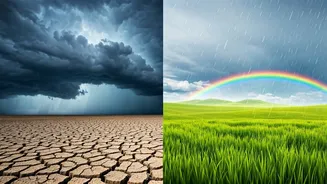
is a direct portal to real-time, often chaotic, meteorological updates. Apps and social media have transformed weather from a background element into a foreground obsession. Every gust of wind, sudden downpour, and temperature spike is tracked, documented, and, most importantly, shared. This shift is driven by technology but rooted in a new reality: the weather itself has become less predictable. The lines between seasons are blurring, and extreme events are becoming more commonplace, making constant monitoring feel less like a hobby and more like a necessity.
The New National Conversation
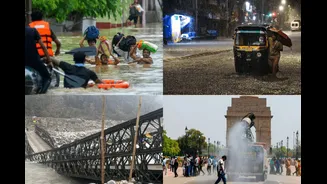
Hashtags like #MumbaiRains, #DelhiHeatwave, and #BangaloreFloods now function as massive, decentralised public forums. Sharing a video of a rain-lashed commute or a screenshot of a 45°C forecast is more than just a personal update; it's a form of communal experience. It’s a way of saying, "Are you seeing this too?" This phenomenon of citizen journalism turns millions of us into on-the-ground weather reporters. This content serves multiple purposes: it's a validation of shared hardship, a real-time warning system for neighbours, and often, a way to cope with absurdity through humour. Memes about enduring yet another heatwave or jokes about Bengaluru’s infrastructure during a downpour are a collective coping mechanism, turning shared anxiety into a moment of digital connection.
When Extreme Becomes Everyday
The engine behind this cultural shift is the increasing frequency of extreme weather events across India. According to one report, India experienced extreme weather on a staggering 88% of days in 2024. What were once considered rare occurrences—debilitating heatwaves in March and April, delayed or erratic monsoons leading to both floods and droughts, and cyclones of increasing intensity—are now regular features of the news cycle. These are no longer abstract climate warnings about the year 2050; they are tangible realities impacting daily life, from driving up food prices to straining power grids. This normalisation of the extreme means that weather is no longer just a seasonal story but a daily one, with direct consequences on livelihoods, health, and the economy.
The Non-Stop Anxiety Feed
While shared weather content can foster community, it also has a significant psychological downside. Constant exposure to images of floods, wildfires, and disaster warnings is contributing to a rise in 'eco-anxiety', a chronic fear of environmental doom. Studies show that social media, in particular, is a significant predictor of this anxiety. The endless scroll creates a sense of perpetual, low-grade crisis, making it difficult to switch off. Psychologists note that this constant information-seeking is a way to manage a feeling of uncertainty and a lack of control. However, the temporary relief of checking a forecast can become a compulsive cycle that ultimately heightens stress and can impact mental well-being, leading to sleep disturbances and difficulty concentrating.
A Double-Edged Sword
For all its anxiety-inducing potential, the rise of weather as daily content is not entirely negative. The same social media feeds that fuel our worries also act as powerful tools for accountability and resilience. Citizen-shot videos of flooded underpasses or neglected drainage systems can pressure authorities into action far more effectively than formal complaints. During a crisis, these informal networks disseminate critical information—like which roads are blocked or where help is available—faster than official channels. They can amplify the voices of marginalised communities whose struggles might otherwise be ignored by mainstream media. In this sense, our collective documentation is a complex mix: a source of stress, a tool for connection, and a new form of civic engagement in an era of climatic uncertainty.