



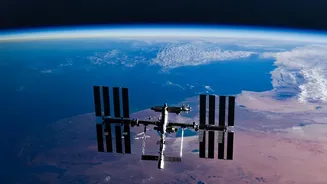
A Human Star in the Night Sky
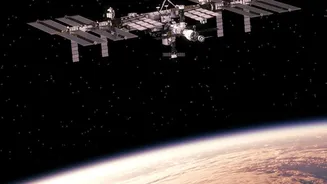
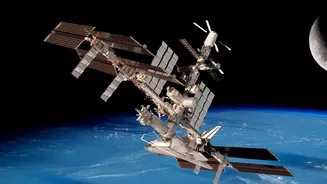
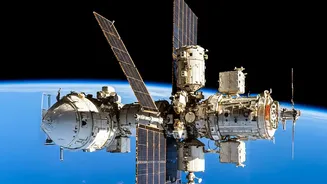
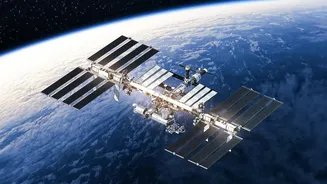
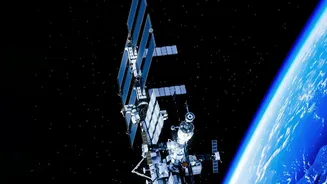
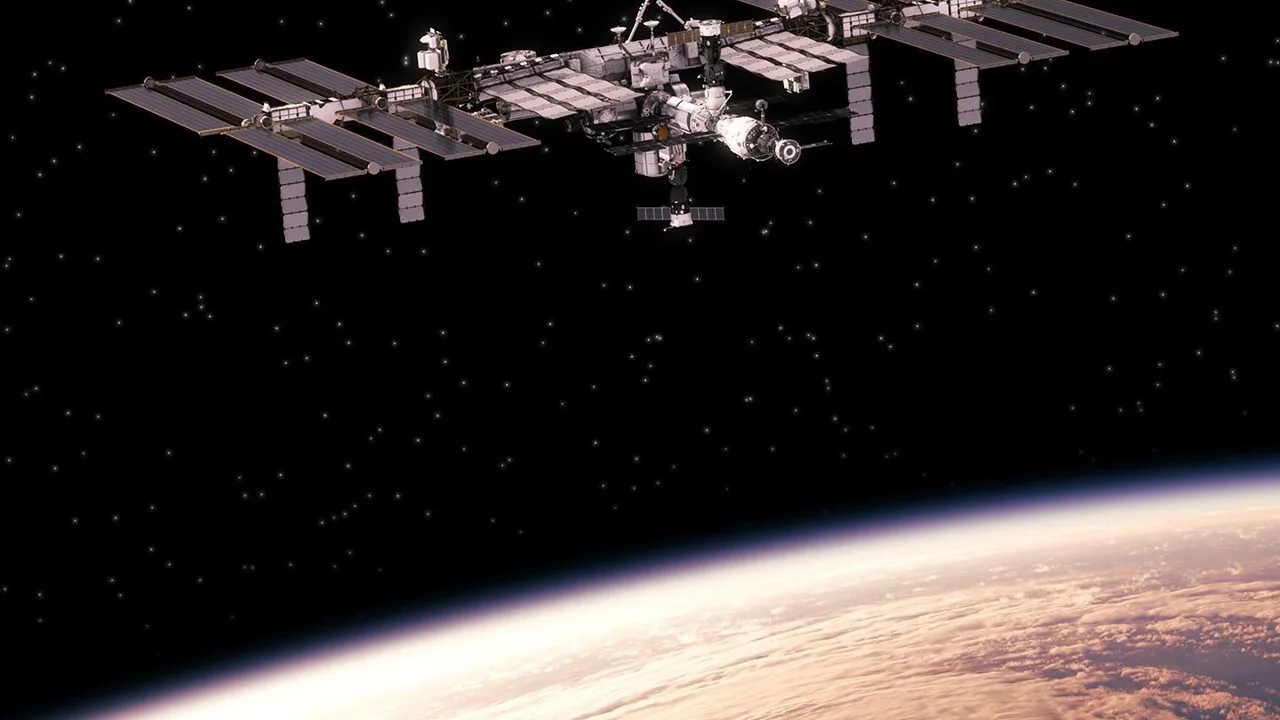
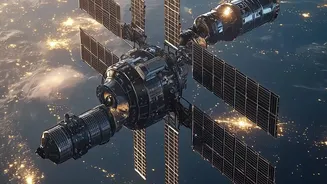
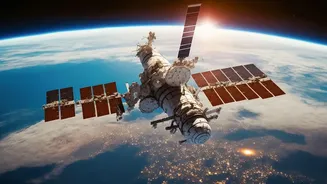
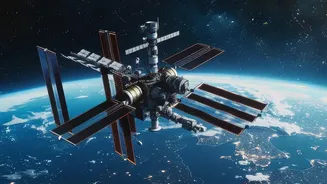
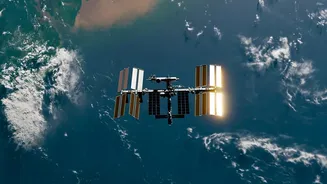
For over two decades, humans have continuously lived and worked aboard the International Space Station, a massive orbiting outpost for science and exploration. It circles our planet roughly every 90 minutes, a constant symbol of international cooperation
floating about 400 kilometres above our heads. When conditions are right, this incredible feat of engineering reflects sunlight and becomes visible to the naked eye. It’s not just another point of light; it’s a moving testament to human ingenuity, and spotting it is a thrill for seasoned astronomers and curious first-timers alike. The best part? You don’t need a telescope or any special equipment to join in the experience.
Your Pocket Guide to the Cosmos
The key to a successful sighting is knowing when and where to look. While you could consult complex astronomical charts, the simplest method is already in your pocket. A variety of mobile skywatching apps are designed specifically to predict and track ISS passes for your exact location. These apps do all the heavy lifting, providing alerts, directions, and real-time guidance. They can tell you the precise moment the station will appear on your horizon, how high it will travel across the sky, and where it will disappear. It turns a potentially tricky astronomical challenge into an easy and accessible activity for anyone.
Top Apps for ISS Spotting
With many options available, a few stand out for their reliability and user-friendly features. NASA’s official Spot The Station app (iOS, Android) is a straightforward choice, offering simple notifications and accurate pass details. Heavens-Above (Android) is a long-time favourite among astronomy enthusiasts, providing precise predictions for the ISS and a vast number of other satellites. It also includes a live sky chart to help you get oriented. For a more interactive experience, ISS Detector (iOS, Android) is an excellent option that provides a radar view and pass details. Many users also enjoy SkyView Lite (iOS, Android), which uses augmented reality to help you identify objects by simply pointing your phone at the sky, making it easy to spot the ISS as it flies by.
Planning Your Viewing Session
The ISS is only visible when it's dark where you are, but the station itself is still lit by the sun. This means the best viewing opportunities happen in the hour or two after sunset or before sunrise. Once your app notifies you of an upcoming pass, plan to be outside at least five minutes early. This gives your eyes time to adjust to the darkness, which is crucial for spotting the station as it first appears. Find a location with a clear, unobstructed view of the sky, especially in the direction the pass will begin (usually somewhere in the west). For the best experience, try to get away from bright city lights, although the ISS is often bright enough to be seen even from urban areas.
What to Look For
When the time comes, you’ll be looking for a bright, steady, fast-moving point of light. The ISS looks like a star or a very bright planet, but it moves purposefully across the sky. A typical pass lasts between three and six minutes. Unlike an airplane, the ISS does not have blinking or flashing lights; its light is constant and solid. It will move much faster than a plane, gliding silently across the heavens. Sometimes, it may seem to fade and disappear before reaching the opposite horizon. This happens when the station moves into Earth's shadow, and it’s a normal part of the viewing experience.