




What Is The Blue Flag Award?
The Blue Flag is one of the world's most recognised voluntary awards for beaches, marinas, and sustainable boating tourism operators. It is awarded by the Foundation for Environmental Education (FEE), an international non-profit organisation based in Denmark.
Established in 1987, the programme acts as a guarantee to tourists that a beach meets stringent global standards related to safety, cleanliness, and environmental quality. The certification is not permanent; it is awarded for one season at a time, and beaches must reapply and prove they continue to meet the strict criteria annually. This ensures that the high standards are consistently maintained.
The Four Pillars Of Excellence
To earn the Blue Flag, a beach must satisfy a checklist of 33 demanding criteria, which are grouped into four main categories. The first is Environmental Education and Information, which requires displaying details about local ecosystems, water quality, and a code of conduct for visitors. The second, and most critical, is Water Quality. Bathing water must be tested regularly and be free from industrial or sewage-related discharge. The third category is Environmental Management, which covers cleanliness, waste segregation, recycling facilities, and the maintenance of beach facilities. The final pillar is Safety and Services, which includes having trained lifeguards, first-aid equipment, clean restrooms, and accessibility for people with disabilities.
Inside The Strict Requirements
The criteria are highly specific and leave little room for error. For water quality, samples must consistently prove an 'Excellent' rating, primarily by measuring levels of bacteria like E. coli and intestinal enterococci. A single failed test can lead to disqualification. Under environmental management, there must be an adequate number of regularly maintained waste bins and facilities for recyclable materials. Unauthorised camping or driving vehicles on the beach is forbidden, and the local authorities must actively manage sensitive natural areas. In terms of safety, the presence of lifeguards during peak hours is mandatory, as are accessible first-aid posts and a public warning system, such as flags indicating swimming conditions. Furthermore, at least one beach in a municipality must provide access for the physically disabled.
Maharashtra's Debut On The Global Stage
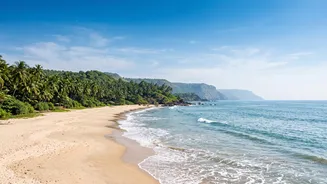
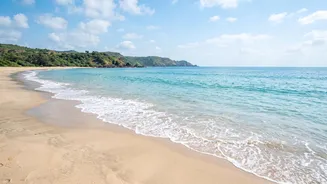
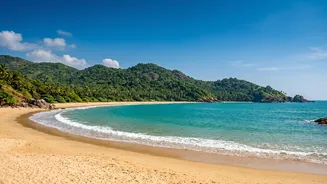
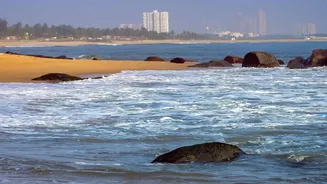
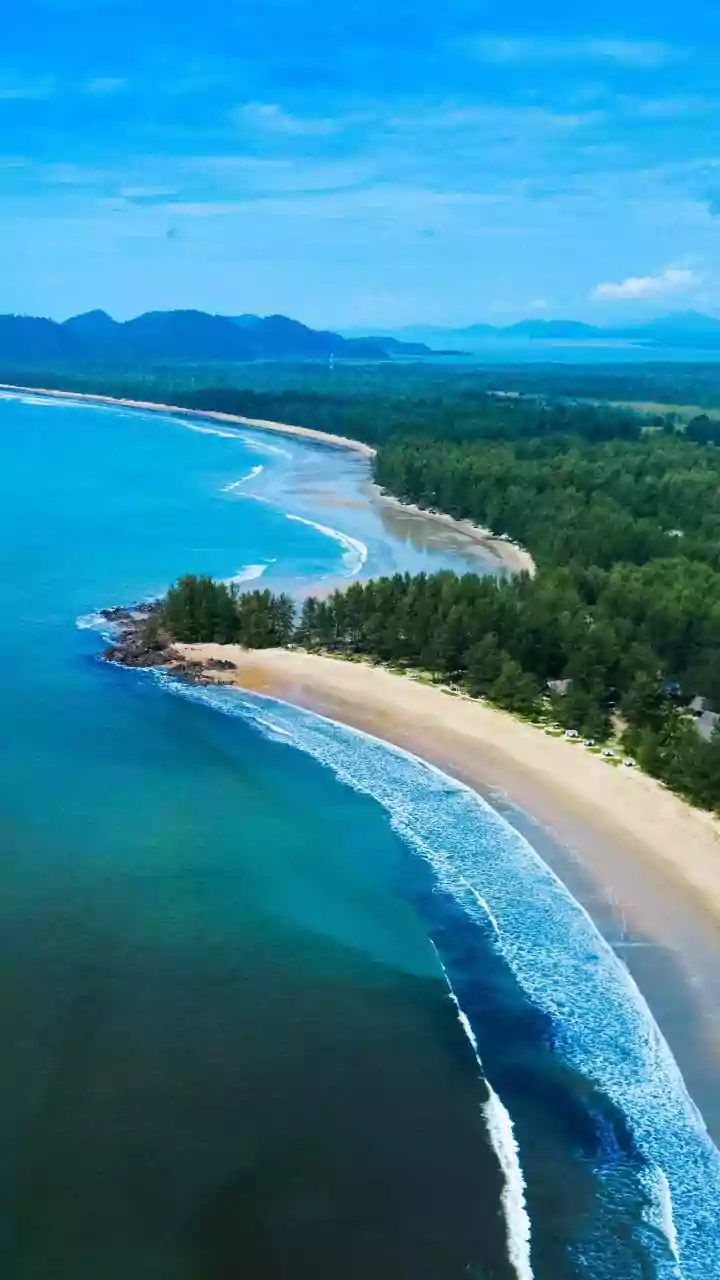
In a landmark achievement for the 2026-27 season, three beaches in Maharashtra have received the Blue Flag certification for the very first time. These beaches are Ladghar and Guhagar in the Ratnagiri district, and Shrivardhan in the Raigad district. This recognition puts Maharashtra's coastline on the international map for sustainable and high-quality tourism. Ladghar Beach is known for the reddish hue of its sand at sunset, while Guhagar is famous for its long, pristine stretch of white sand lined with casuarina trees. Shrivardhan Beach is celebrated for its calm, crescent-shaped shoreline and effective local waste management systems. With these additions, India now has a total of 22 Blue Flag certified beaches.
More Than Just A Pretty Beach
The Blue Flag award delivers significant benefits beyond just prestige. For local communities, it boosts tourism, which in turn supports local businesses and creates employment opportunities. It encourages a more responsible approach to coastal tourism, where the visitor experience is enhanced without sacrificing the health of the local ecosystem. The rigorous process of achieving and maintaining the certification drives improvements in local infrastructure, including waste management and sanitation. Ultimately, it signals a commitment to preserving the natural beauty and biodiversity of the coastline for future generations, ensuring these stunning locations remain clean, safe, and sustainable.