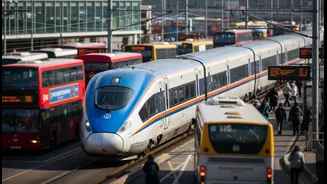





The Perfect Storm of July Travel
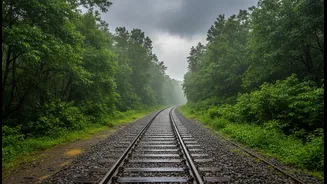
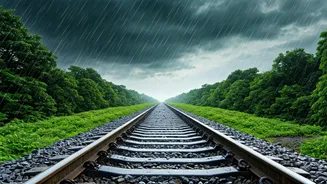
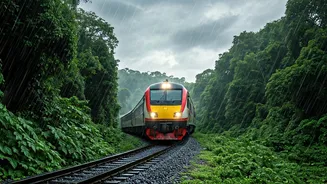
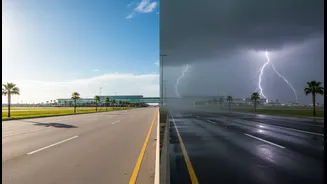
Mid-July marks a uniquely challenging period for Indian Railways and its passengers. It’s a confluence of factors: the tail end of summer holiday travel, the onset of regional festivals, and, most disruptively, the peak of the monsoon season. Heavy rainfall
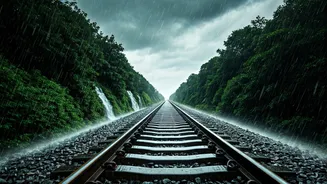
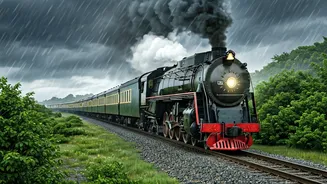
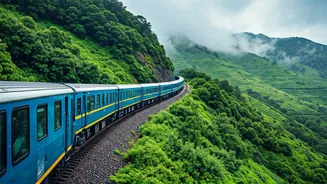
frequently leads to severe operational challenges. Recent days have seen this play out dramatically, particularly in Western and Central India. Incessant rains have caused severe waterlogging on tracks and even landslides in vulnerable ghat sections, such as the critical Mumbai-Pune route. This has resulted in a cascade of cancellations, diversions, and significant delays, with dozens of trains affected. Authorities have had to reduce train speeds in waterlogged areas as a safety precaution, which, while necessary, adds to the travel time and throws schedules into disarray. For travellers, this means journeys that should take hours can stretch into an entire day of uncertainty.
An Epidemic of Unreliable Updates
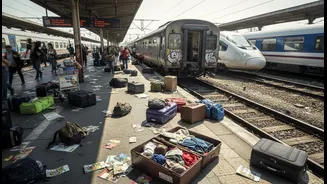
The core of passenger frustration often lies not just in the delays themselves, but in the communication vacuum that surrounds them. The headline’s call for “Update Discipline” points to a critical failure in the system: the gap between what is happening on the tracks and what the passenger is told. While the Railways has digital tools like the National Train Enquiry System (NTES) and the Rail Madad app, their real-time accuracy can be questionable during major disruptions. Passengers often find themselves racing to a designated platform only to hear a last-minute announcement of a change, causing a frantic stampede. Onboard, travellers can be left stranded for hours with little to no information from railway staff about the cause of the delay or the expected resolution time. This information black hole is a significant source of stress, especially for families with children, the elderly, and those with connecting journeys.
Systemic Strains and Infrastructure Woes
The lack of operational discipline is not simply a matter of negligence; it’s a symptom of a system under immense strain. India’s railway network is one of the busiest in the world, and decades-old infrastructure struggles to cope with ever-increasing traffic. During the monsoon, these weaknesses are exposed. Waterlogging is a persistent problem, often because surrounding urban drainage systems are overwhelmed, causing floodwater to submerge the tracks. Landslides in hilly terrains are another annual hazard. While the Railways invests in pre-monsoon checks and keeps materials like sand and ballast on standby for quick repairs, the sheer intensity of the rainfall can render these preparations ineffective. The recent disruption in the Mumbai region, where over 41 trains were cancelled on a single day, highlights how quickly a localized weather event can have a nationwide impact on rail services.
Your Survival Guide for July Journeys
While you can't control the weather or fix the infrastructure, you can adopt a more disciplined approach to your own travel plans to mitigate the chaos. First, become your own information hub. Do not rely on a single source. Use the official NTES website or app, but also have third-party apps like Ixigo or ConfirmTkt, which sometimes offer more accurate GPS-based tracking and delay predictions. Second, arrive at the station much earlier than you normally would, mentally prepared for a platform change. Third, pack smart. Assume there will be delays. Carry a fully charged power bank, extra drinking water, and non-perishable snacks. For grievance redressal on the go, use the 'Rail Madad' app or post your complaint on X (formerly Twitter), tagging the relevant railway division and the Ministry of Railways; these channels are often monitored closely and can sometimes yield a faster response for issues like cleanliness or lack of water.