

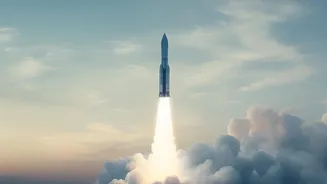
The Old vs. The New Space Era
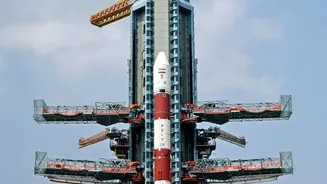
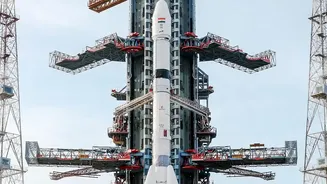
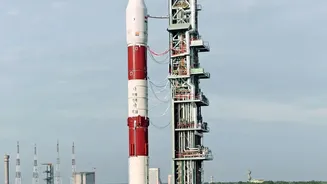
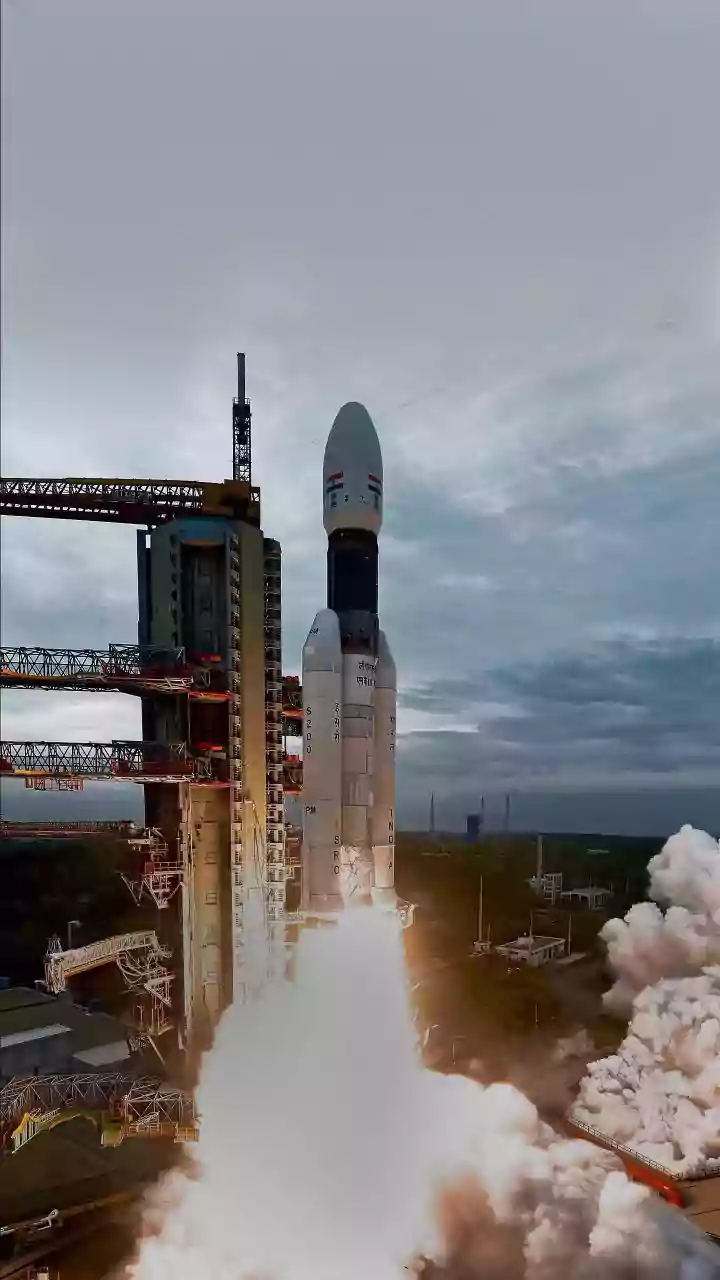
For decades, a career in India's space sector meant one thing: working for the Indian Space Research Organisation (ISRO). ISRO pioneered everything from rocket development to satellite launches. While this model earned India global respect, the government
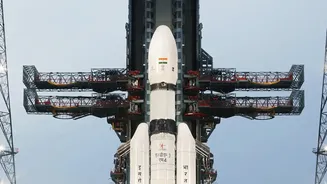
recognised that to scale up and capture a larger share of the global space economy, a change was needed. The reforms, crystallised in the Indian Space Policy 2023, have created a new structure. ISRO's role is now evolving to focus on advanced research, technology development, and national strategic missions like Gaganyaan. Meanwhile, private companies are being encouraged to take over routine manufacturing, satellite operations, and launch services. This shift is facilitated by IN-SPACe (Indian National Space Promotion and Authorisation Centre), a new regulatory body designed to act as a single-window agency to guide and authorise private space activities.
A Galaxy of Private Startups
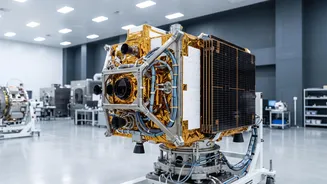
The policy changes have triggered a boom in entrepreneurship. The number of private space startups in India has surged from just a handful in 2020 to over 400 by 2026. Companies like Skyroot Aerospace, which successfully launched India's first privately developed rocket, and Agnikul Cosmos, known for its 3D-printed engines, are now major players. This growing ecosystem is not just about building rockets. Startups are working across the entire value chain, including satellite manufacturing, propulsion systems, ground station services, and downstream applications that use satellite data. The government projects that India’s space economy, currently valued at around $8.4 billion, could grow to $44 billion by 2033, and this expansion will be driven significantly by private innovation and investment.
New Job Roles Beyond Traditional Engineering
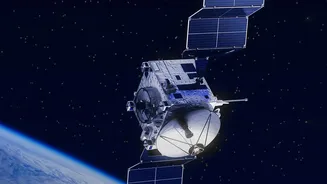
This new ecosystem is creating a diverse range of job opportunities that go far beyond traditional aerospace engineering roles at ISRO. The private sector needs professionals to design, build, test, and launch rockets and satellites. This includes roles like propulsion engineers, avionics technicians, and satellite systems engineers. However, the biggest growth area might be in downstream applications. Companies need data scientists and analysts to interpret the vast amounts of information sent back by satellites for use in agriculture, urban planning, disaster management, and climate monitoring. There is also a growing demand for software developers to create mission control systems and data processing platforms.
The Skills That Will Launch Your Career
For engineers, core competencies in aerospace, mechanical, and electrical engineering remain fundamental. However, the private 'NewSpace' industry places a heavy premium on interdisciplinary skills. Proficiency in software and data is becoming crucial. Skills in AI and machine learning are in high demand for autonomous navigation and satellite image analysis. Robotics specialists are needed for creating systems for in-orbit servicing and planetary rovers. Beyond technical skills, private companies look for professionals with strong problem-solving abilities, adaptability, and experience with modern manufacturing techniques like 3D printing. Aspiring professionals who can combine a core engineering discipline with expertise in software or data analytics will be exceptionally well-positioned.
Not Just for Engineers Anymore
The commercialisation of space means the industry now requires a wider range of talent. As hundreds of startups compete for funding and market share, they need business strategists, financial analysts, and marketing professionals. With complex international regulations and contracts governing satellite launches and data sharing, there is also an emerging need for space law and policy experts. This expansion opens doors for professionals from diverse backgrounds in finance, law, and business management to play a crucial role in building India's space economy. The industry isn't just about building technology anymore; it's about building sustainable businesses.