






The Dream of a 'Living' Road
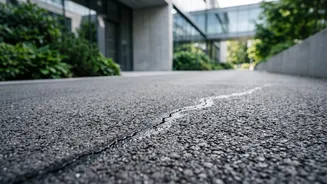
Every driver in India knows the jarring reality of a pothole-ridden street. It’s a seemingly endless cycle: roads are built, they crack under traffic and weather, and municipalities engage in a constant, costly battle of patchwork repairs. But researchers
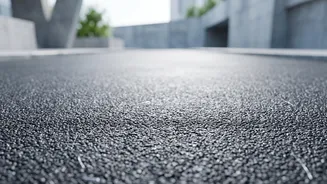
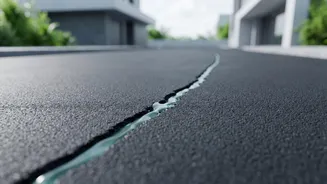
are now developing what could be a revolutionary solution: self-healing asphalt. This isn't science fiction, but a serious field of civil engineering focused on creating road surfaces that can autonomously repair small cracks before they grow into craters. The core idea is to embed special materials into the standard asphalt mixture that can be activated to mend damage, effectively giving the road a longer, healthier lifespan. This technology aims to shift road maintenance from a reactive, disruptive process to a proactive, preventative one.
How Does the Healing Happen?
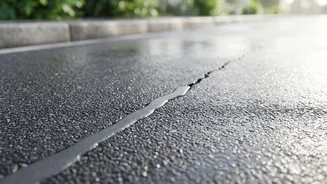
There are several ways to make asphalt “heal,” but two leading methods involve either induction heat or embedded microcapsules. The induction method, pioneered by researchers at Delft University of Technology, involves adding tiny, conductive steel fibres or iron oxide nanoparticles to the asphalt mix. When small cracks appear, a special maintenance vehicle passes over the road, generating a magnetic field. This field heats the metallic fibres, which in turn melt the surrounding bitumen (the asphalt's glue), allowing it to flow and seal the fissures. The process is quick and targets only the damaged area without overheating the entire road surface. Another approach uses tiny, embedded capsules filled with a rejuvenating agent, like sunflower oil. When a micro-crack forms, it ruptures nearby capsules. The oil is released, softening the aged and brittle binder around the crack, helping it fuse back together. This mimics a biological healing process, tackling damage at its earliest stage.
The 'Eco' in Eco-Binders
The innovation doesn't stop at self-repair. The term “eco-binders” refers to the move away from traditional, petroleum-based bitumen. Bitumen is the black, sticky substance that holds the stones and sand in asphalt together, but its production has a significant environmental footprint. Researchers are developing alternative binders made from renewable sources and waste materials. These can include bio-oils derived from plants like algae, recycled cooking oil, or even waste plastics and old car tyres. Using these materials not only reduces our reliance on fossil fuels but also helps tackle waste problems. For example, research has shown that using a binder derived from microalgae can significantly lower carbon emissions while improving the asphalt's durability in different weather conditions. These bio-binders can be combined with self-healing technologies to create a road that is both durable and more sustainable.
The Real-World Benefits
The promise of this technology goes far beyond a smoother ride. If roads can last longer and require fewer major repairs, the economic and social benefits are substantial. Municipal governments could see a significant reduction in their annual road maintenance budgets, as studies suggest self-healing asphalt could cut repair needs by as much as 30%. For citizens, it means fewer traffic jams and delays caused by road closures for repair work. Longer-lasting roads also mean that the resources and energy consumed in producing and laying new asphalt are needed less frequently, contributing to a lower carbon footprint for our infrastructure. Furthermore, by preventing the formation of large potholes, these smart roads can improve driver safety and reduce vehicle wear and tear, saving motorists money on costly repairs to tyres and suspension systems.
The Bumps in the Road Ahead
While the technology is incredibly promising, a future without potholes isn't just around the corner. The biggest hurdle is cost. The initial expense of producing self-healing asphalt is higher than for conventional mixes—by some estimates, around 25% more. This is due to the specialised additives like steel fibres or microcapsules. Although the long-term savings on maintenance could offset this initial investment, convincing budget-constrained public works departments to make the switch will be a challenge. There are also questions about long-term performance across diverse climates and heavy traffic conditions, as most data comes from labs and small-scale pilot projects. Integrating these new materials with existing road infrastructure also poses technical challenges. Before we see widespread adoption, more long-term field trials are needed to prove the technology's durability and economic viability in the real world.