


Redefining Flavour Maximalism
Flavour maximalism is a trend that celebrates bold, complex, and layered tastes. However, it's often misunderstood as simply piling on rich ingredients. True maximalism is about creating a symphony of flavours, where different notes—like sweet, sour,
umami, and spice—work in harmony. It's not about making food heavier, but more dynamic and memorable. The most skilled chefs know that this depth doesn't come from a crowded pan, but from the deliberate application of technique. By understanding a few key principles, any home cook can move beyond just adding ingredients and start building flavour with intention and skill.
The Power of Browning
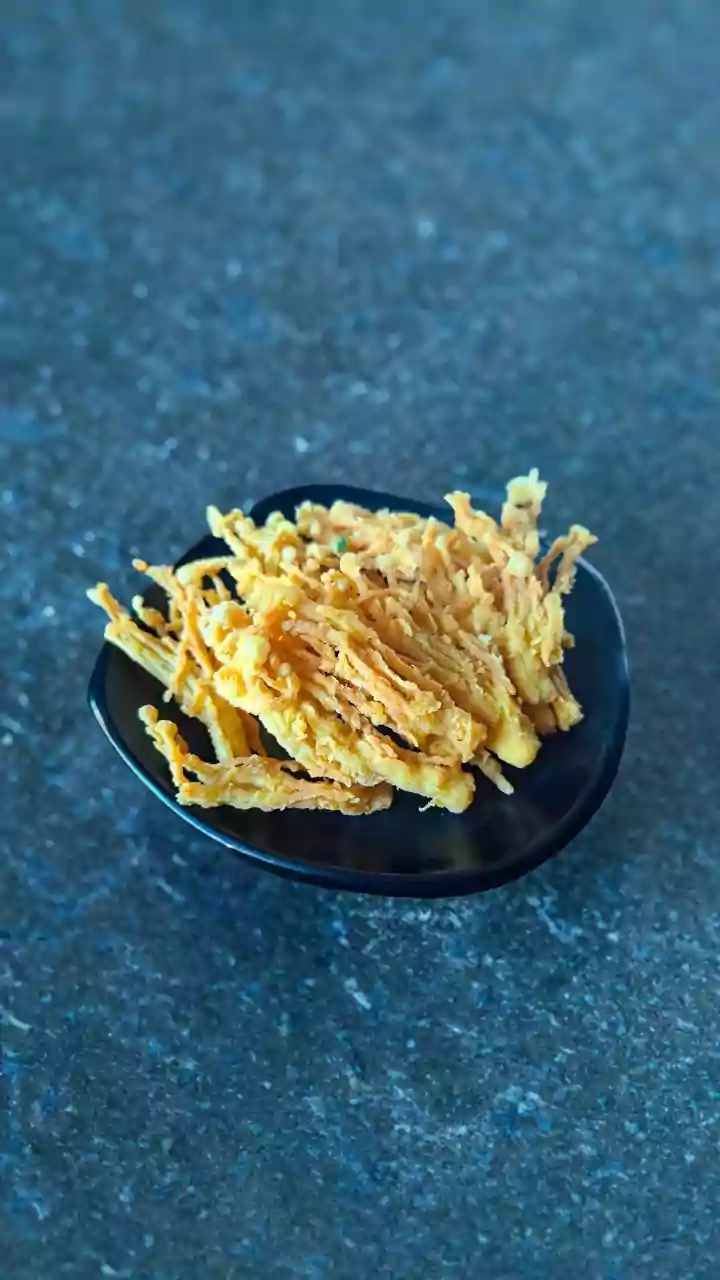
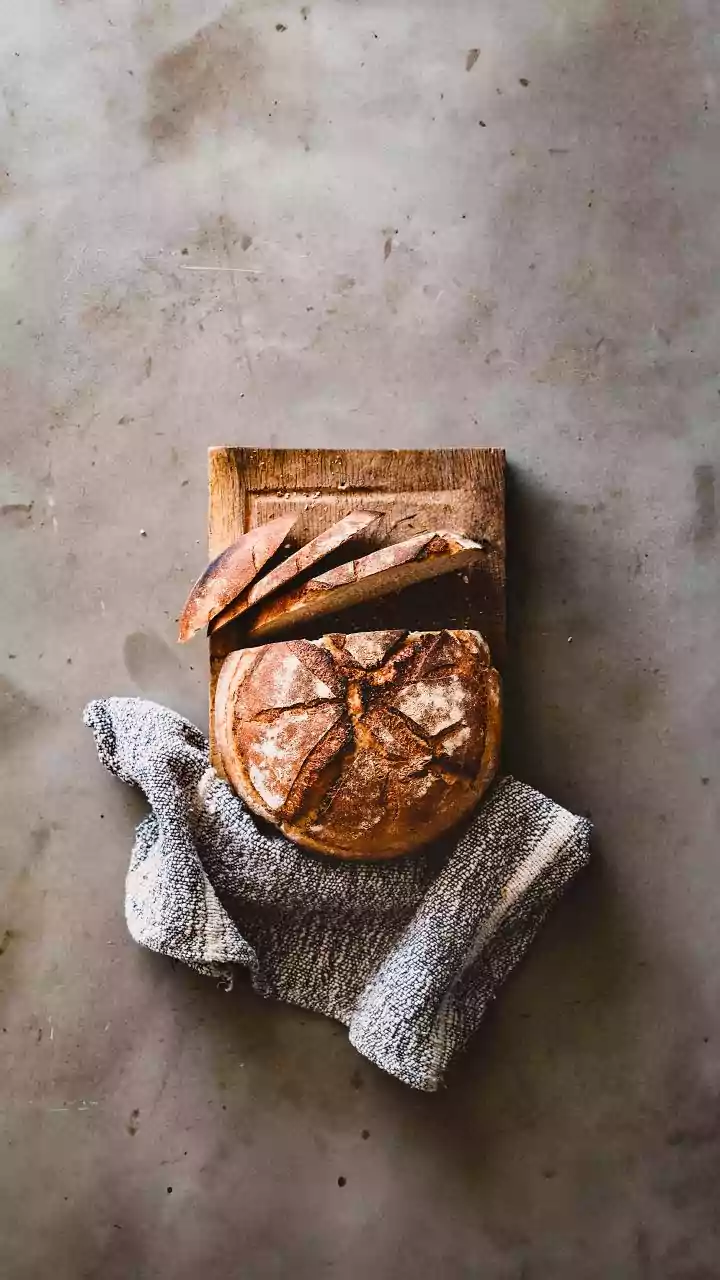
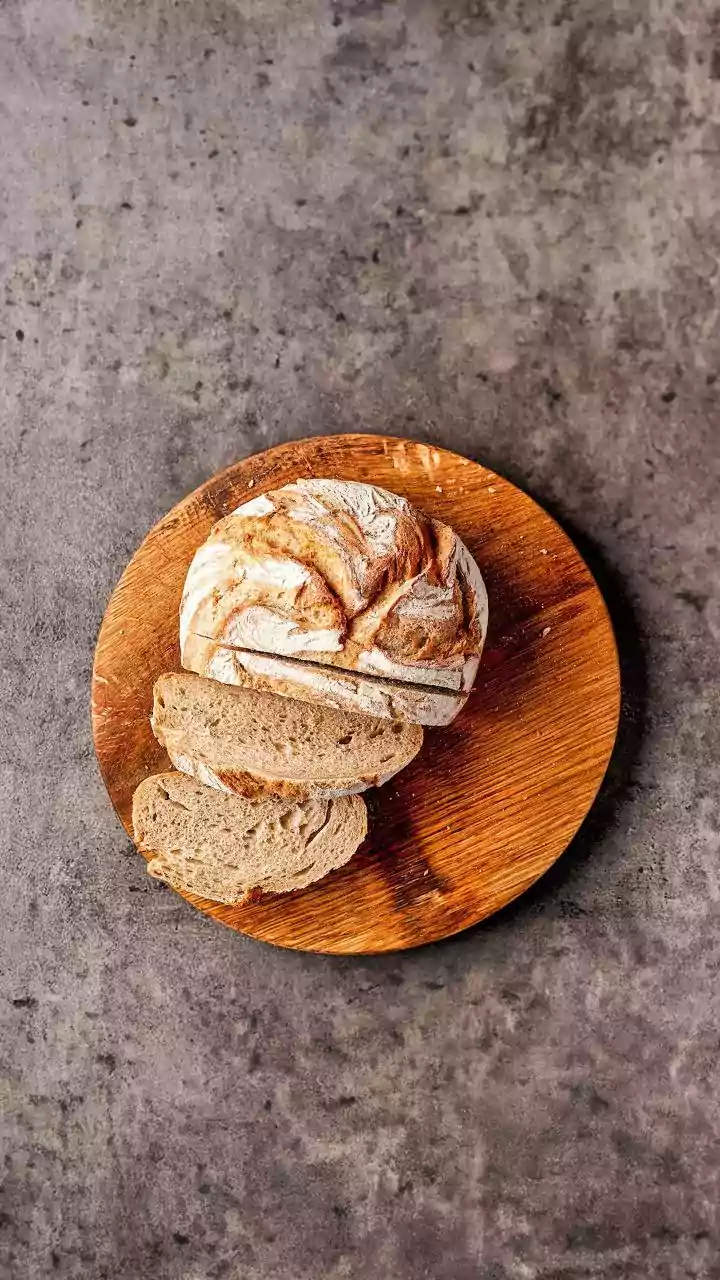
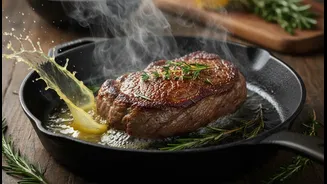
One of the most important processes for flavour creation is the Maillard reaction. This is the chemical reaction between amino acids and sugars that occurs when you cook food at temperatures above the boiling point of water. Think of the golden-brown crust on a seared steak, the savoury depth of fried onions, or the nutty aroma of toasted bread. That's the Maillard reaction at work, creating hundreds of new flavour compounds that simply weren't there before. To harness it, ensure your pan is hot and your food is dry. Overcrowding a pan lowers the temperature and causes food to steam rather than sear, preventing this crucial browning. Roasting vegetables until they are deeply caramelised is another way to achieve this, concentrating their natural sugars and creating a richer taste.
The Magic of Reduction
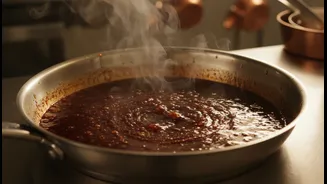
Reduction is the simple process of simmering a liquid, like a stock, wine, or juice, to allow the water to evaporate. As the volume decreases, the flavour becomes intensely concentrated. This is how chefs create rich, glossy sauces and glazes without relying on flour or heavy cream for thickness. A red wine reduction for a meat dish, for example, concentrates the acidity and fruitiness of the wine, creating a complex sauce that complements the savoury notes of the meat. The key is to simmer gently, not boil, allowing the flavours to deepen without burning. This technique is fundamental to classic sauce-making but can be applied to almost any liquid to boost its flavour profile naturally.
Building Layers with Umami
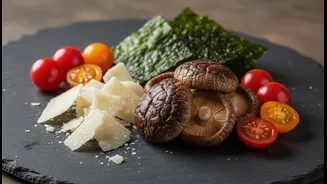
Umami, the fifth basic taste, is often described as savoury or meaty. It’s a powerful tool for adding depth and a satisfying richness to dishes. While ingredients like parmesan cheese, mushrooms, soy sauce, and tomatoes are famously rich in umami, the technique lies in how you use them to build layers. Toasting tomato paste until it darkens can deepen its umami character before you add it to a sauce. Creating a broth with dried mushrooms or using a splash of soy sauce or balsamic vinegar can add a background layer of savouriness that makes the whole dish taste more complete. It's about using these ingredients not as the star, but as the supporting cast that elevates everything else.
The Finishing Touch of Infusion
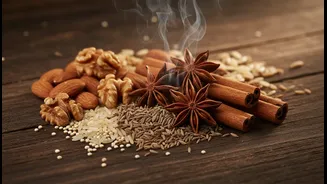
Infusion is a gentle way to add aromatic layers. This involves steeping ingredients like herbs, spices, or citrus zest in a liquid—such as oil, vinegar, or even water—to extract their flavour compounds. A garlic and chilli-infused oil can be drizzled over a finished dish for a final burst of flavour. You can create a fragrant simple syrup for desserts or drinks by infusing it with tea or spices. Unlike direct cooking, infusion adds a more subtle, aromatic essence that can brighten a dish or provide an unexpected hint of complexity. It’s a technique that requires patience but rewards with sophisticated, nuanced flavours that don't overpower the main ingredients.