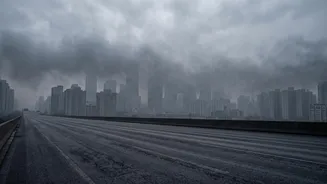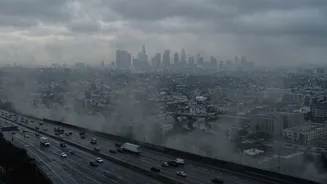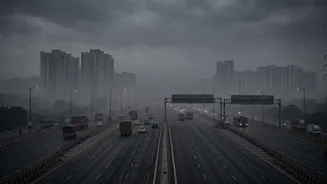



What is GRAP and Why is Stage 1 Active?
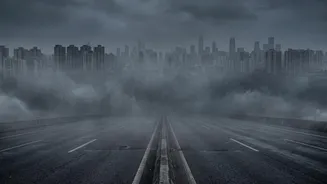
The Graded Response Action Plan (GRAP) is an emergency response mechanism that kicks in to tackle air pollution in Delhi and its adjoining areas. It consists of four stages of increasing severity, from 'Poor' to 'Severe+'. Stage 1 was invoked by the Commission
for Air Quality Management (CAQM) on October 21, 2026, after the city's Air Quality Index (AQI) rose sharply from 179 ('moderate') to 244 ('poor'). Forecasts from the IMD and IITM predicted that the air quality would likely remain in the 'poor' range, prompting the commission to implement these early-stage, preventative measures to stop the air from getting worse. Think of it as the first line of defence in the annual battle against winter pollution.
Key Restrictions Now In Effect
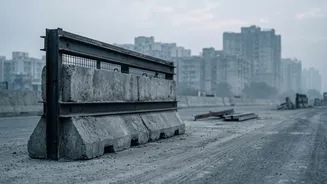
GRAP Stage 1 focuses on curbing pollution at its source, with a particular emphasis on dust and combustion. The key restrictions that residents and businesses must now follow include a strict ban on open burning of any kind, including garbage and biomass. Hotels, restaurants, and open eateries are prohibited from using coal and firewood in their tandoors. The use of diesel generator sets is also restricted, with usage permitted only for emergency and essential services. Furthermore, all construction and demolition (C&D) projects must comply with dust control measures, such as covering materials and using water sprinklers. Large projects (over 500 sqm) that are not registered on the government's web portal for dust control compliance will not be allowed to continue operations.
How Vehicle Rules Change
For the average private car owner, GRAP Stage 1 does not introduce a blanket ban on driving or an odd-even scheme. However, enforcement of existing rules will be intensified. Authorities will crack down on visibly polluting vehicles and ensure strict adherence to Pollution Under Control (PUC) norms. The long-standing ban on petrol vehicles older than 15 years and diesel vehicles older than 10 years remains firmly in place. Traffic police will be deployed at key intersections to ensure smooth flow and reduce vehicle idling at red lights. Residents are encouraged to keep their engines off while waiting for the signal to turn green.
Impact on Construction and Industry
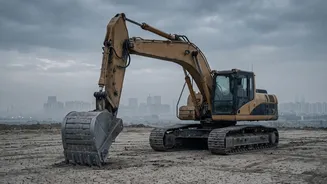
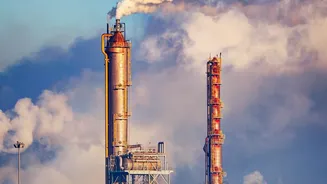
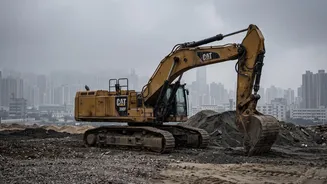
The biggest impact of Stage 1 is felt by the construction and industrial sectors. All C&D sites are mandated to implement strict dust mitigation measures, including mechanized sweeping and regular water sprinkling. Non-compliance can lead to a halt in work. Industrial units are expected to follow all emission norms, and thermal power plants within a 300 km radius of Delhi will face stringent checks to ensure they are adhering to regulations. The goal is to minimize the output of particulate matter from these major sources before the air quality deteriorates into 'very poor' or 'severe' categories.
What Residents Can Do to Help
While much of GRAP is about enforcement by government agencies, citizens are urged to cooperate and contribute. The 'Citizen Charter' under GRAP encourages several actions. These include using public transport, carpooling, and ensuring vehicles have a valid PUC certificate. Reporting instances of open burning or major dust pollution is also crucial. Residents can use official apps like the Green Delhi App to flag violations for authorities to act upon. Simple steps like not burning leaves or waste in the open and choosing cleaner commute options can collectively make a significant difference. Doctors advise that these early measures are vital for public health, especially for children, the elderly, and those with respiratory conditions, as they help reduce exposure before pollution reaches peak crisis levels.