








The Rise of the 5-Minute Fix
Scroll through any social media feed and you’ll find complex workout routines, elaborate meal plans, and multi-step wellness rituals. Amidst this noise, a counter-trend is emerging: the radical pursuit of simplicity. This is where the 5-minute breathing
challenge comes in. It’s not about expensive gear, a gym membership, or a huge time commitment. Its popularity lies in its accessibility. It’s a democratic approach to mindfulness—a tool available to anyone, anytime, anywhere, for free. In our hyper-productive culture, the promise of a tangible result in just five minutes is a powerful draw. It’s a micro-dose of calm in an otherwise chaotic day, making it the perfect antidote to modern-day burnout.
More Than Just a Passing Trend
While it may be trending on Instagram and TikTok, the practice of controlled breathing is anything but new. It has deep roots in ancient traditions, particularly the yogic practice of *pranayama*, which literally translates to 'breath control'. What we are seeing online is a modern repackaging of this timeless wisdom. For centuries, yogis have used specific breathing techniques to calm the mind, energise the body, and connect with the present moment. The online 'challenge' format simply makes this ancient practice more palatable and less intimidating for a new generation. It strips away the esoteric jargon and presents a core, effective technique as a simple, actionable habit.
The Simple Science of a Deep Breath
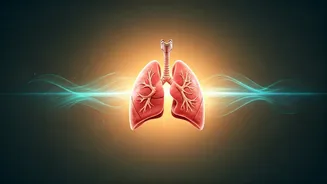
So, what exactly happens in your body during those five minutes? When you consciously slow down your breathing, you send a powerful signal to your brain to relax. This activates your parasympathetic nervous system, often called the 'rest and digest' system. It’s the body's natural brake pedal for the 'fight or flight' response that fuels anxiety and stress. Purposeful breathing helps lower the production of the stress hormone cortisol, can reduce your heart rate and blood pressure, and stimulates the vagus nerve—a key player in regulating your mood and emotional state. In essence, you are using your breath as a remote control to manually turn down your body’s stress alarm.
How to Do the Challenge: A Step-by-Step Guide
Ready to try it? The most popular version of this challenge uses a technique called 'box breathing' or 'square breathing'. It’s simple to remember and incredibly effective. 1. **Find a comfortable seat.** Sit upright in a chair with your feet flat on the floor, or sit cross-legged on a cushion. Relax your shoulders. 2. **Breathe out.** Gently exhale all the air from your lungs. 3. **Inhale for 4 seconds.** Slowly and deeply breathe in through your nose for a count of four. 4. **Hold for 4 seconds.** Hold your breath, without straining, for a count of four. 5. **Exhale for 4 seconds.** Gently exhale all the air through your mouth or nose for a count of four. 6. **Hold for 4 seconds.** Hold your breath at the end of the exhale for another count of four. Repeat this cycle for five minutes. You can set a timer on your phone. If the four-second count feels too long, start with two or three seconds and work your way up.
Making the Habit Stick
The key to unlocking the long-term benefits is consistency. The best way to build this habit is to link it to an existing part of your routine—a practice known as 'habit stacking'. Try doing your five minutes of breathing right after you wake up, before you check your phone. Use it as a reset button during your lunch break, especially if you work at a desk. Practice it for a few minutes before a stressful meeting or a difficult conversation. Or, use it as a powerful tool to calm your mind and signal to your body that it's time to sleep. By anchoring the practice to a specific time or trigger, you’re much more likely to remember to do it and turn this simple challenge into a lasting, supportive ritual.