






From Marketing Slogan to Mealtime Staple
The term “fourth meal” was popularised in the mid-2000s by fast-food giant Taco Bell to capture the post-dinner, pre-breakfast eating occasion. It was aimed squarely at a young demographic looking for a bite after a night out. For years, it remained largely
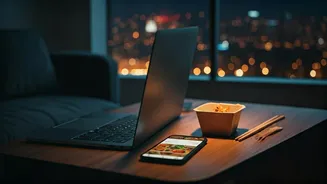
in that realm: a punchline, an indulgence, or a habit of students and shift workers. But today, the fourth meal has shed its novelty status and entered the mainstream. Driven by fundamental shifts in work, social life, and technology, this late-night eating window is now a serious business. In India, late-night food delivery has boomed, with some reports showing it has doubled over the past year and is growing significantly faster than traditional meal times.
The New Night Owls: Who Eats the Fourth Meal?
The profile of the fourth-meal consumer has expanded dramatically. It’s no longer just students cramming for exams. Today’s late-night eaters are remote workers finishing projects, binge-watchers deep into a new series, gamers, and professionals whose workdays are synced with international time zones. The traditional 9-to-5 schedule with three square meals is becoming less relevant for a growing segment of the urban population. Young consumers, in particular, are driving this trend, with sleep and social schedules often extending to 2 or 3 am. This shift represents a move towards more individualised and flexible eating patterns, breaking away from the structured, communal mealtimes of the past.
The 24/7 Convenience Economy
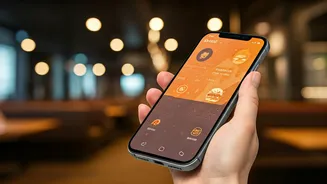
A huge catalyst for this trend is the rise of the on-demand economy. Food delivery platforms like Swiggy and Zomato, along with quick-commerce apps, have made getting food at any hour incredibly easy. What once required a trip to a 24/7 diner or a street vendor is now just a few taps away on a smartphone. This has created a vibrant “fourth meal economy.” Restaurants, cloud kitchens, and even major chains like McDonald's and Domino's are extending their hours to capture this lucrative late-night market. The data shows a clear demand: cities like Bengaluru, Hyderabad, and Mumbai lead in late-night orders, with comfort foods like burgers and pizzas being the top choices.
A Booming Market for Businesses
For the food industry, the fourth meal is a new battleground for consumer attention and spending. It’s an opportunity to utilize kitchen capacity during what used to be idle hours. Brands are getting creative, with some offering specific late-night menus and promotions. The trend isn't just about full meals; desserts are a massive and fast-growing category in late-night orders, driven by the desire for an affordable, indulgent treat. This “visual craving,” often sparked by social media, means people are ordering desserts not just after a meal, but as a meal itself. This economic activity highlights a permanent shift in consumer behaviour that businesses are now scrambling to accommodate.
The Health and Wellness Counterpoint
While the fourth meal is a boon for business, its health implications are a subject of debate. Many health experts caution against eating large meals late at night, linking the habit to potential weight gain, poor digestion, disrupted sleep, and an increased risk for metabolic issues like diabetes and heart disease. Our bodies' circadian rhythms mean we are less efficient at processing food at night. However, the conversation is becoming more nuanced. Some research suggests that the negative effects depend heavily on what and how much you eat. A small, nutrient-dense snack before bed may not be harmful and could even be beneficial in some contexts, whereas a large, high-calorie meal is more likely to cause problems.