



The Tesla Cybertruck’s journey is ending sooner than almost anyone expected. In a surprising series of announcements, Elon Musk confirmed production will cease by the end of summer 2027, marking a sudden conclusion for the much-hyped vehicle.
An End Date, Not a Milestone
Contrary
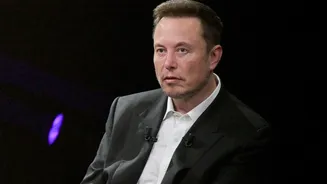
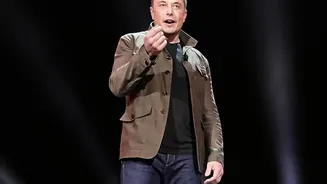
to expectations of a long production ramp-up, the summer 2027 timeline is an end date. Elon Musk initially announced that Tesla would wind down Cybertruck production at its Texas factory around the middle of 2027. This news, a shock to many reservation holders, was quickly followed by a slight revision. After some public backlash from customers, Musk extended the deadline by a few months through the end of summer 2027. He stated this extension was to work through more of the order backlog, which he claims 'far exceeds' what Tesla can produce in the remaining time. Musk even framed the extension as a decision driven by 'sentimentality' rather than a financially optimal move.
Promise vs. Commercial Reality
When the Cybertruck was unveiled, the hype was immense, with Musk predicting annual sales could reach 250,000 units. The reality, however, has been starkly different. After a delayed launch, the starting price ballooned from the promised $39,900 to over $60,000. Sales figures never came close to the ambitious targets. According to market data, Tesla sold approximately 38,965 Cybertrucks in 2024, which then dropped by nearly half to around 20,237 units in 2025. This decline continued into 2026, signaling that the initial excitement did not translate into sustained mass-market demand. The vehicle struggled to find a broad audience beyond its core group of early enthusiasts.
A Trail of Manufacturing Troubles
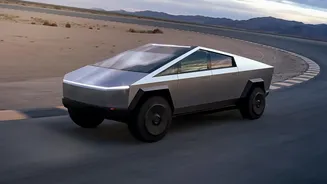
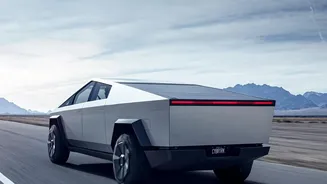
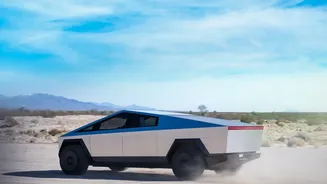
From the very beginning, the Cybertruck was a manufacturing anomaly. Musk himself admitted Tesla 'dug our own grave' with the vehicle’s complexity. The angular design and stainless-steel exoskeleton, while visually striking, proved incredibly difficult and costly to produce. Beyond the production line, the vehicle has been plagued by a series of quality control issues and safety recalls. Since its 2023 launch, the Cybertruck has faced at least 11 recalls for problems ranging from a faulty accelerator pedal that could get stuck to exterior trim panels detaching while driving. These recurring issues, combined with its polarizing design, damaged its reputation and likely contributed to its weak sales performance.
Making Way for the Cybercab
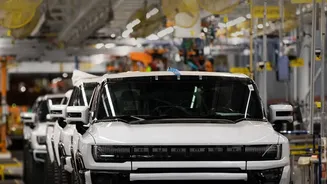
The primary reason for ending Cybertruck production is a strategic pivot. Tesla is not simply giving up; it is reallocating precious factory space and resources to what it sees as its next major venture: the Cybercab. This two-seat, autonomous vehicle, which lacks a steering wheel or pedals, is central to Musk's vision of a robotaxi future. Tesla plans to repurpose the Cybertruck assembly line at its Texas Gigafactory for mass production of the Cybercab. Musk has stated that the opportunity cost of building the complex Cybertruck is too high when those resources could be used for the Cybercab, which the company believes has far greater longterm profit potential.
What Happens to Reservation Holders?
Even with the production extension, Tesla has acknowledged it cannot fulfill all outstanding orders. Musk confirmed that many customers who placed deposits will ultimately have them refunded. For those who do get one of the final trucks, they will own a unique piece of automotive history. The Cybertruck's short and troubled production run will likely give it a niche, cult status similar to other ambitious but commercially unsuccessful vehicles. Its availability was always limited, having never been approved for sale in markets like Europe due to regulatory and safety concerns. As production winds down, the remaining order book will be a race against time, with the final vehicles becoming instant collector's items.