

The Mighty Millet's Grand Return
For generations, festive spreads in India have been laden with sweets made from refined flour, rice, and copious amounts of sugar. While delicious, these treats often leave us feeling heavy and guilty. Now, a quiet but powerful shift is taking place in kitchens
across the country. Millets—ancient grains like ragi (finger millet), jowar (sorghum), and bajra (pearl millet)—are making a major comeback. This resurgence is driven by a growing health consciousness and a renewed appreciation for India's agricultural heritage, partly spurred by government initiatives and global recognition of millets' nutritional prowess. Consumers are no longer willing to choose between celebration and well-being, and millet-based sweets offer the perfect solution.
Why Millets Make Sweets Smarter
Swapping traditional ingredients for millets is more than just a trend; it is a significant nutritional upgrade. Millets are naturally gluten-free, making them a godsend for those with gluten intolerance. They are packed with dietary fibre, which aids digestion and promotes a feeling of fullness, helping with weight management. Unlike refined grains that cause sharp spikes in blood sugar, most millets have a lower glycemic index, providing a slower, more sustained release of energy. Furthermore, these grains are powerhouses of essential minerals like iron, calcium, magnesium, and phosphorus, contributing to everything from bone health to preventing anaemia.
Classic Sweets, Reimagined and Delicious
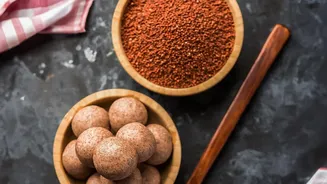
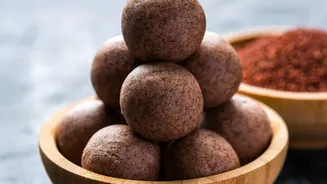
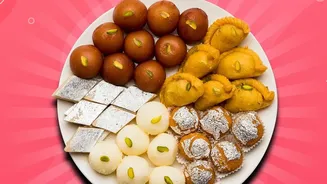
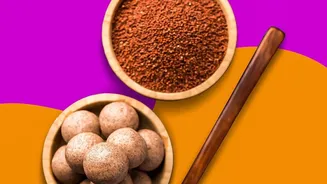
The beauty of this trend lies in its versatility. Nearly every traditional sweet can be reinvented with millets. Imagine laddoos, not just from besan, but from deeply flavourful and nutrient-dense ragi flour, bound with jaggery and ghee. These Ragi Laddoos are rich in calcium and iron, making them a smarter indulgence. Similarly, the classic barfi is getting a makeover with bajra flour, which lends a wonderfully nutty and earthy taste to the fudge-like sweet. Even creamy kheers and payasams are being prepared with foxtail millet or barnyard millet, which cook into a luscious, pudding-like consistency that rivals their rice-based counterparts. These innovations aren't about compromise; they are about discovering new textures and deeper flavours.
A Return to Ancestral Wisdom
While it may seem like a modern health fad, the use of millets is actually a return to the dietary practices of our ancestors. Before wheat and rice became dominant staples, millets were widely cultivated and consumed across India for their resilience and nutritional value. They were the original 'superfoods', perfectly adapted to the subcontinent's climate. By reintroducing millets into our festive cooking, we are not just adopting a new trend but also reconnecting with a more sustainable and traditional way of eating. It is an acknowledgement that what is old can be new again, especially when it comes to our health.
The Baker's New Best Friend
The innovation doesn't stop with traditional mithai. Home bakers and professional chefs are enthusiastically experimenting with millet flours to create a new generation of festive treats. Think gluten-free ragi chocolate cakes, bajra cookies, and jowar tea cakes that are moist, flavourful, and significantly healthier than their refined-flour equivalents. Millet flours bring unique, slightly nutty and earthy notes that pair beautifully with classic festive flavours like cardamom, saffron, nuts, and jaggery. This allows for guilt-free snacking that satisfies sweet cravings without the usual empty calories, making the festive season feel both indulgent and nourishing.