


Why Monsoons Demand Extra Care
The rainy season dramatically increases the amount of moisture in the air. This high humidity, combined with the often warm ambient temperatures in Indian homes, creates an ideal environment for harmful microorganisms like bacteria, mould, and fungi to
multiply rapidly. Food that might have been safe on the counter for a couple of hours in a dry season can spoil much faster during the monsoon. This accelerated spoilage increases the risk of foodborne illnesses such as food poisoning, diarrhoea, and other gastrointestinal infections. Pathogens like E. coli and Salmonella thrive in these damp conditions, making vigilance a crucial part of your kitchen routine.
The Two-Hour Rule Is Now Stricter
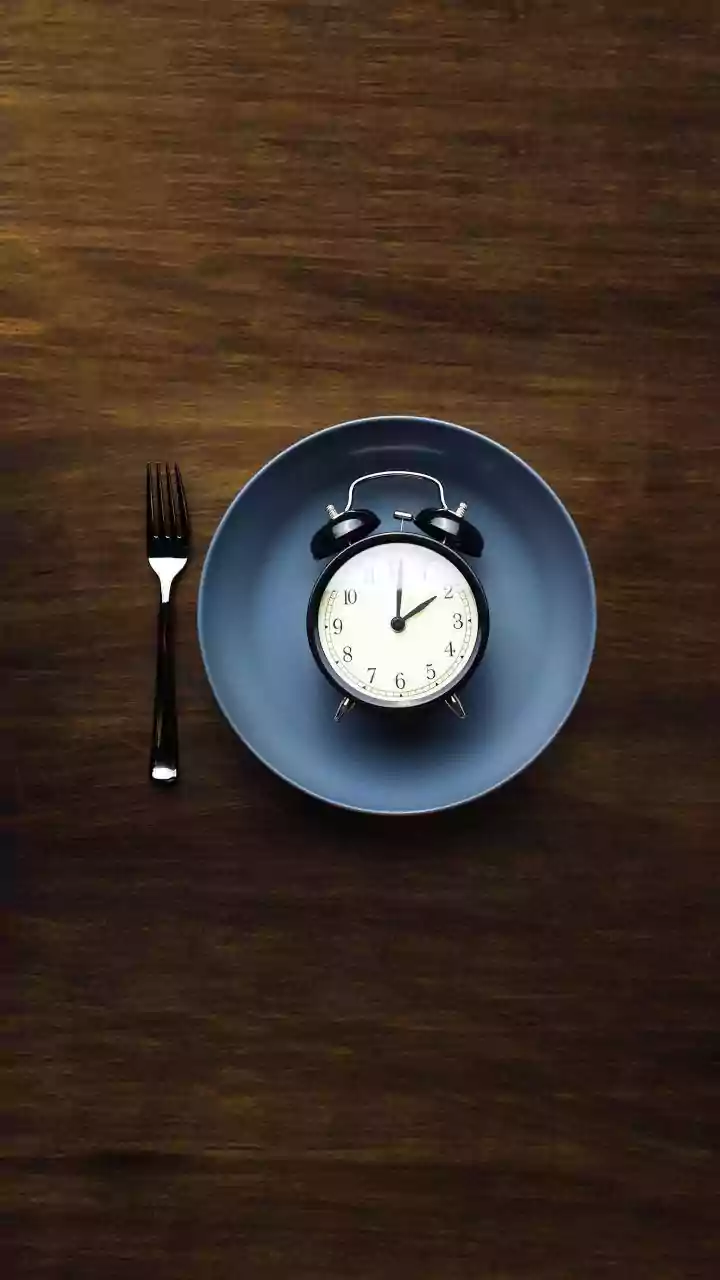
Food safety experts universally recommend the “two-hour rule”: never leave perishable food at room temperature for more than two hours. During the monsoon, it's wise to be even stricter. Due to the rapid bacterial growth in high humidity, you should aim to refrigerate leftovers as soon as possible, ideally within an hour of cooking. The temperature range between 4°C and 60°C is known as the 'danger zone,' where bacteria can double in as little as 20 minutes. Leaving a pot of dal or a bowl of sabzi to cool on the counter for too long is an open invitation for contamination.
Cooling and Storing Food Correctly
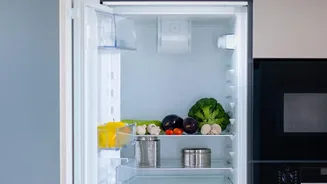
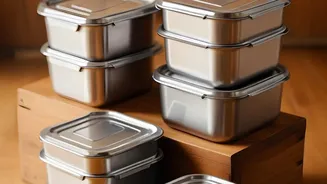
Before you put hot food in the fridge, it's best to cool it down quickly. Sticking a large, hot pot directly into the refrigerator can raise the internal temperature of the appliance, putting other stored foods at risk. To cool food rapidly, you can divide large batches into smaller, shallow containers. Once cooled, store everything in airtight containers. This is non-negotiable during the monsoon, as it prevents excess moisture from getting in and stops odours and bacteria from spreading between dishes. Ensure your refrigerator is set to 4°C or below. Also, avoid over-packing your fridge, as proper air circulation is needed to keep everything cool and safe.
Know Your Leftover Timelines
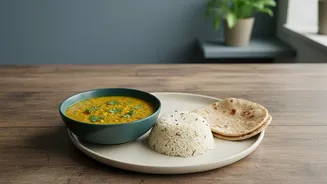
Even with perfect storage, leftovers don't last forever. For most cooked Indian dishes like dals, vegetable curries (sabzis), and meat or chicken-based curries, the safe limit in the refrigerator is about three to four days. Rice is particularly susceptible to a bacteria called Bacillus cereus, so it's best to consume leftover rice dishes like pulao or biryani within a day or two. Recipes containing dairy, such as paneer or cream-based gravies, may also spoil faster and should be eaten within two to three days. Always trust your senses: if a dish smells off, looks slimy, or has changed colour, discard it immediately. When in doubt, throw it out.
The Art of Safe Reheating
Properly reheating food is the final step to ensuring it's safe to eat. Your goal is to kill any bacteria that may have developed during storage. All leftovers should be reheated to an internal temperature of at least 74°C (165°F). For gravies, soups, and dals, bring them to a rolling boil on the stovetop. If using a microwave, cover the food to retain moisture, and stir it midway through to ensure there are no cold spots where bacteria can survive. Importantly, you should only reheat a portion of food once. Repeatedly cooling and reheating the same dish provides multiple opportunities for bacterial growth, significantly increasing your risk of getting sick.