



Beyond the Balcony Floor
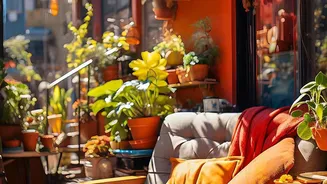
The desire for greenery in urban homes has never been stronger, but apartment balconies and small patios present a challenge. The solution is vertical gardening, a smart approach that turns unused vertical surfaces into thriving green spaces. Instead
of spreading plants outward, you grow them upward on walls and railings. This isn't just about saving space; it's about transforming your environment. A living wall can help purify the air, reduce ambient temperatures during hot Indian summers, and provides significant mental wellbeing benefits by bringing nature into your daily life. It’s a creative and practical way to make your home feel more alive, turning a bare wall into a living canvas.
Getting Started: Wall-Mounted Systems
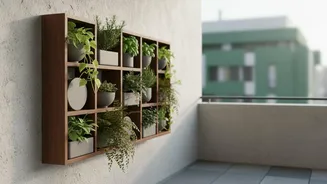
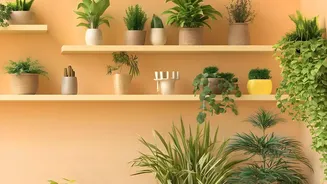
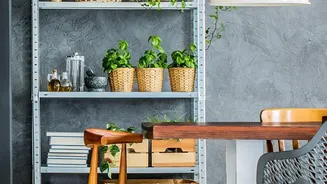
Turning a plain wall into a garden is easier than you think, with options for every budget and skill level. Fabric pocket planters, made of felt or canvas, are a popular and affordable choice. Each pocket holds a single plant, perfect for herbs and flowers. For a more structured look, you can install modular green wall panels or simple wall shelves to hold a collection of small pots. DIY enthusiasts can get creative by repurposing wooden pallets, recycling plastic bottles into hanging planters, or fixing an iron mesh to a wall to hang pots from. When installing, always consider the strength of your wall and protect it from moisture with a plastic sheet behind the system if needed.
The Railing Revolution
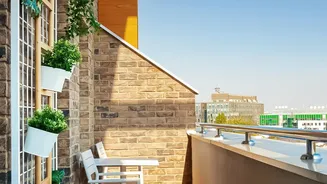
Balcony railings are no longer just a boundary; they are a prime opportunity for gardening. Specially designed railing planters simply clip or hook onto your grille, instantly providing planting space without any drilling. These are perfect for renters or anyone hesitant to modify their walls. You can find them in various styles, from long window boxes that can hold a continuous row of flowers to saddle-style planters that sit neatly on top of the railing. Using your railing for climbers like jasmine or beans, with the help of a simple trellis, can create a beautiful green curtain that also adds a layer of privacy.
Choosing the Right Plants
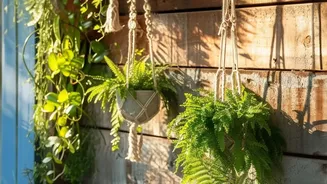
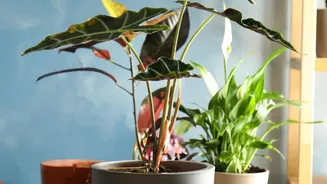
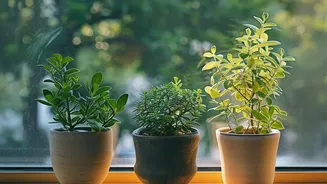
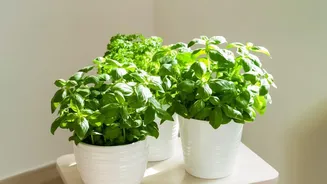
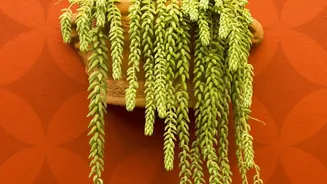
The success of your vertical garden depends heavily on selecting the right plants for your conditions. For sunny balconies, hardy options like portulaca, marigolds, and herbs such as tulsi, mint, and curry leaves are excellent choices. Shadier spots are better suited for foliage plants like money plant, spider plant, and ferns. For a kitchen herb wall, consider growing coriander, chillies, and ajwain for fresh ingredients at your fingertips. Trailing plants like string of pearls create a stunning cascading effect in hanging planters. Always choose plants with root systems appropriate for the depth of your containers. Shallow-rooted plants are generally best for most vertical systems.
Essential Care and Maintenance
Plants in vertical gardens and railing planters can have different needs than those on the ground. Because they are more exposed, the soil tends to dry out faster, so you may need to water more frequently. A drip irrigation system can be a helpful, low-maintenance solution. Use a lightweight soil mix, often containing cocopeat and compost, to avoid overloading your walls or railings. Check for pests regularly, as they can multiply quickly in a dense planting. Finally, don't forget to fertilise every few weeks during the growing season to replenish nutrients and keep your vertical garden lush and productive.