



From Indo-Chinese to Pan-Asian Authenticity
For decades, 'Asian food' in India largely meant Indo-Chinese cuisine—dishes like Manchurian and Hakka noodles became national comfort foods. This familiarity paved the way for a broader acceptance of Asian flavours. Today, however, the cafe scene is moving
beyond this fusion. Driven by a desire for new experiences, diners are seeking more authentic and diverse options from across the continent, including Japanese, Korean, Vietnamese, and Thai cuisines. This shift is especially pronounced in modern cafes, where menus are expanding to reflect a more global palate, offering a journey through Asia that goes far beyond the familiar.
The Allure of Japanese and Korean Flavours
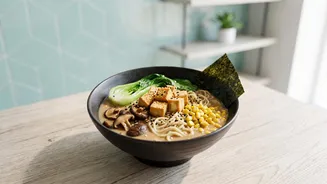
The rise of Japanese and Korean food has been particularly explosive, thanks in no small part to the cultural influence of K-dramas and pop culture. This has fueled curiosity and demand for dishes like ramen, bibimbap, and tteokbokki. Simultaneously, Japanese cuisine has gained traction for its health-conscious reputation, with its focus on fresh ingredients and balanced meals. Initially, many Indians were skeptical of Japanese food, often associating it only with raw fish. But the growing popularity of vegetarian sushi, hearty ramen bowls, and matcha-flavoured desserts has made the cuisine far more approachable for India's large vegetarian population.
A Perfect Match for the Modern Palate
So, why has Asian vegetarian food found such a welcoming home in Indian cafes? The answer lies in a concept of 'strange familiarity'. While the ingredients might seem exotic, the flavour profiles often resonate with the Indian palate, which appreciates bold, complex, and layered tastes. Many Asian dishes, unlike some Western cuisines, deliver robust flavours without feeling heavy. Cooking methods like steaming and stir-frying align perfectly with a growing preference for healthier, lighter meals. This combination of novelty and familiarity makes Asian vegetarian dishes an easy and exciting choice for diners looking to experiment without straying too far from their comfort zones.
An Expression of Global Identity
The embrace of Asian food is also a reflection of a broader cultural shift. Increased global travel, exposure through social media, and the rise of food influencers have made Indian diners, especially millennials and Gen Z, more adventurous. Trying new cuisines is no longer just about eating; it's about participating in a global conversation. Ordering a bowl of ramen or a plate of kimchi is a way to connect with international trends. Cafes, which function as social hubs for this generation, are responding by creating menus that are not only delicious but also culturally relevant and, of course, highly Instagrammable.
A New Playground for Culinary Creativity
For chefs and cafe owners, this trend offers a vast new playground for vegetarian innovation. India's rich tradition of plant-based cooking provides a strong foundation, but Asian ingredients and techniques are unlocking new possibilities. Chefs are now creating exciting fusion dishes like paneer bulgogi and miso Mysore pak, demonstrating how seamlessly global ideas can merge with local flavours. This creative freedom allows cafes to differentiate themselves in a competitive market, offering unique dining experiences that celebrate both Indian heritage and global culinary trends. This isn't just about adding new dishes; it's about redefining what vegetarian food can be.