
A More Adventurous Appetite
For decades, dining out in urban India followed a predictable script: North Indian, South Indian, or Indo-Chinese. But today, a significant shift is underway. Driven by global exposure through travel and social media, a growing desire for healthier options,
and a generation of adventurous chefs and diners, the country's food landscape is becoming more diverse than ever. This change isn't just about novelty; it reflects a deeper appreciation for authenticity and a willingness to explore complex flavour profiles, whether they come from halfway across the world or a forgotten corner of our own country. Restaurants are finding that specificity sells, and diners are rewarding them for it.
The Sushi Wave Hits the Mainstream
Not long ago, sushi was considered an exotic, high-end affair, confined to luxury hotels and accessible only to a well-travelled few. The idea of eating raw fish was a culinary frontier for many. Today, sushi has broken free from its exclusive niche. It's a common sight on delivery apps, in mall food courts, and on the menus of casual-dining restaurants in Tier-1 and even Tier-2 cities. This surge in popularity is partly due to cultural influences like anime and a perception of sushi as a fresh, light, and healthy meal. To cater to the Indian palate, chefs have also introduced a wide array of vegetarian and cooked options, from paneer tikka rolls to crispy tempura maki, making the dish more approachable and helping it become a new favourite.
Flavours from the High Passes
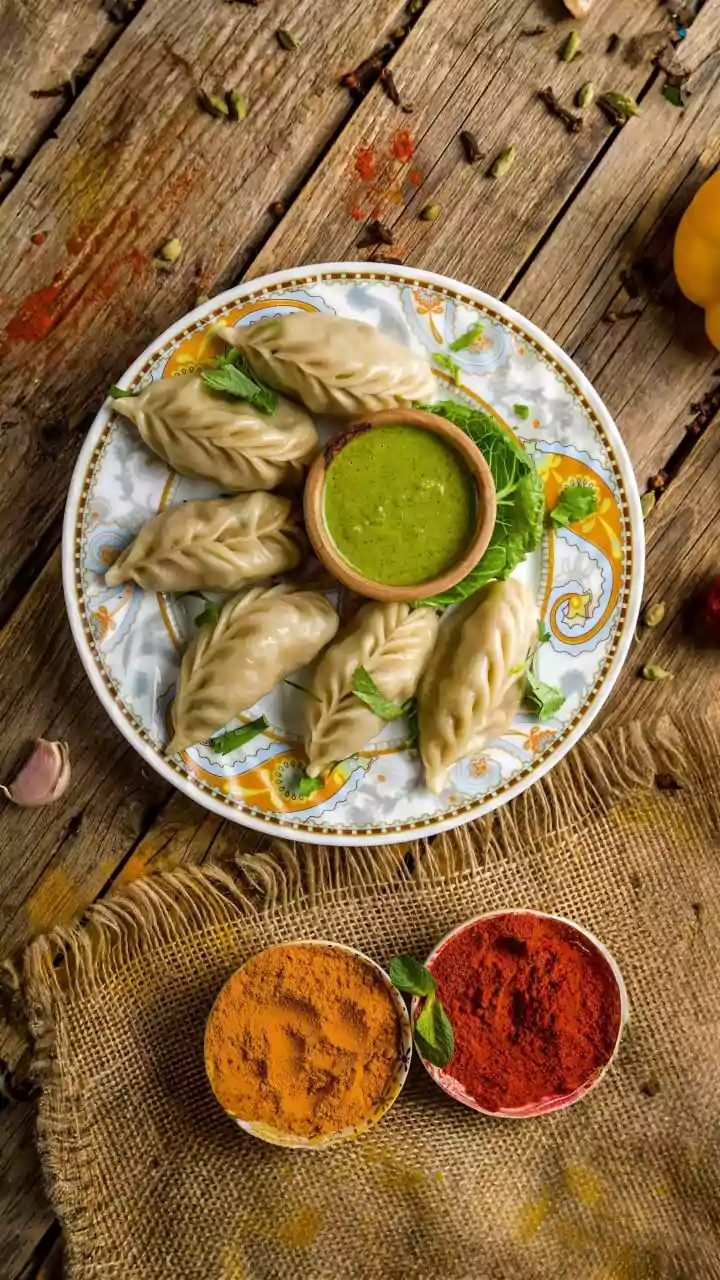
Once known only to intrepid trekkers and mountaineers, the cuisine of Ladakh is now finding a curious and appreciative audience in major cities. Restaurateurs are making a conscious effort to document and preserve the region's culinary heritage, which is deeply shaped by its harsh climate and resilient ingredients like barley and buckwheat. Dishes like thukpa (noodle soup), momos, and skyu—a hearty stew with hand-rolled pasta—are moving from home kitchens to restaurant tables. Chefs and culinary entrepreneurs are opening eateries dedicated to serving authentic Ladakhi food, giving diners a taste of the Himalayas and celebrating recipes passed down through generations. This trend highlights a growing interest in food that tells a story of a place and its people.
The Great Indian Rediscovery
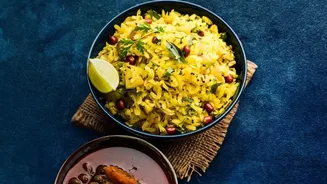
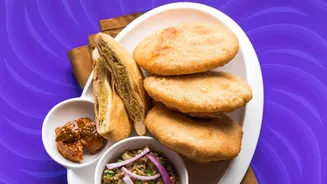
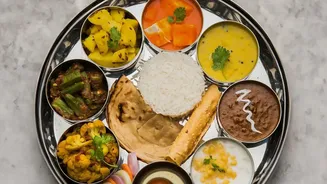
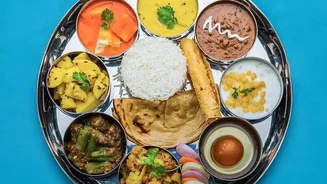
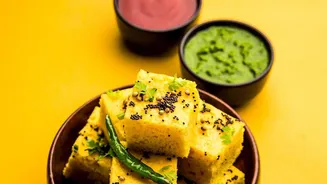
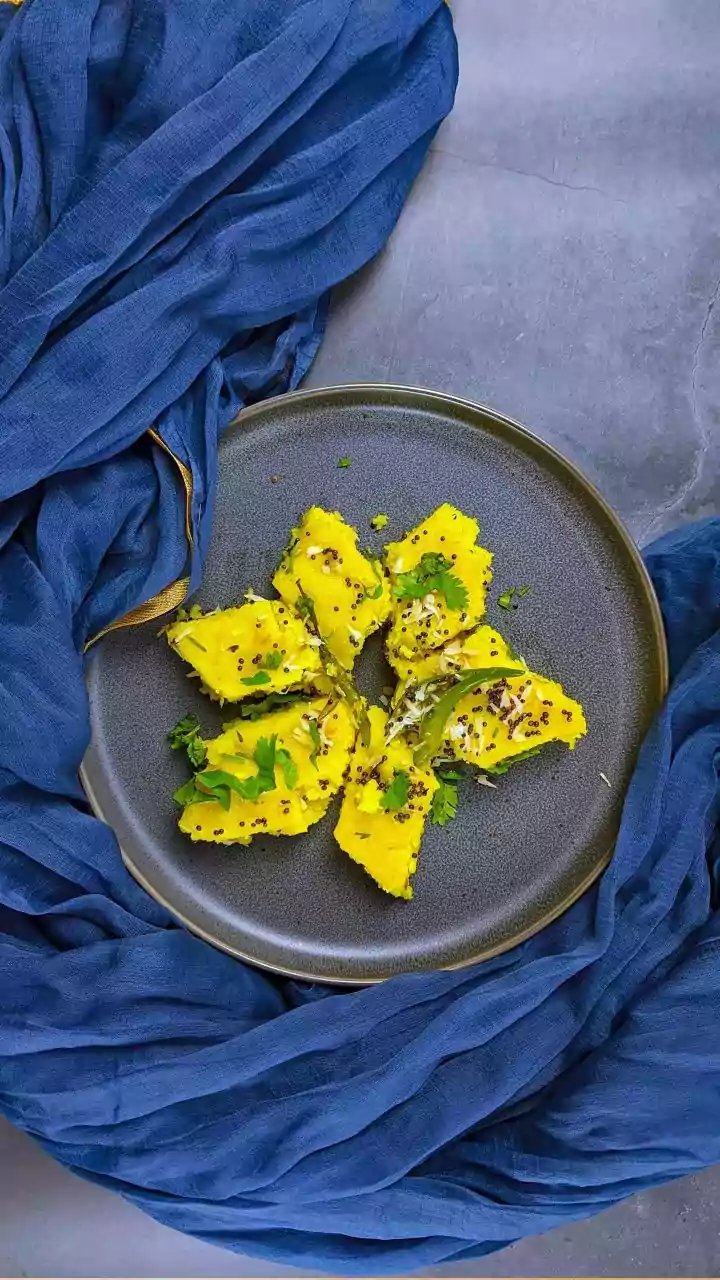
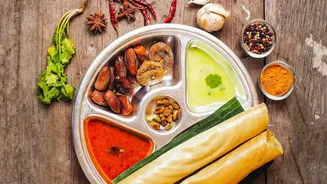
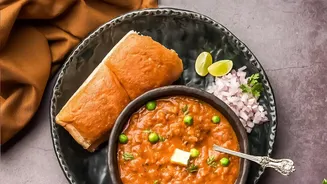
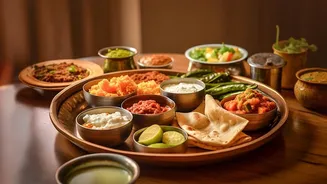
Perhaps the most significant trend is the celebration of India's own hyper-regional cuisines. For years, restaurant menus were dominated by a handful of popularised dishes, masking the country's true culinary diversity. Now, chefs and food entrepreneurs are championing the specific flavours of regions like Nagaland, Kerala, Bihar, and Goa. Dishes once confined to their native states, such as Nagaland's smoked pork with bamboo shoots, Bihar's litti chokha, or coastal seafood preparations, are becoming stars on urban menus. This 'regional-reinvention' is driven by a desire for authenticity and a sense of nostalgia among those who have moved to cities for work. Fine-dining restaurants are now being built around specific regional identities, proving that food rooted in tradition can also be a premium, contemporary experience.