





Beyond the Beaches and into the Green
For years, Goa's identity has been tied to its stunning coastline. But a growing number of travellers are seeking experiences beyond the usual, looking for a quieter, more authentic encounter with the state's heritage. This curiosity is leading them to the lush
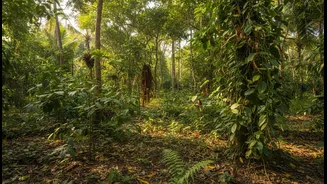
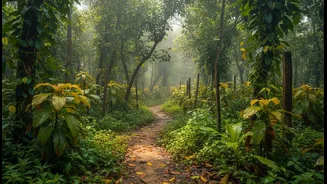
hinterlands, particularly to the spice plantations concentrated around the Ponda region. These sprawling, family-owned estates are not just farms; they are living museums of the state's rich botanical and culinary history, offering a tranquil escape from the bustling beach towns. The air here is cooler, thick with the scent of cinnamon, cardamom, and nutmeg, providing a sensory journey into the heart of Goan culture.
A Walk Through Nature’s Pantry
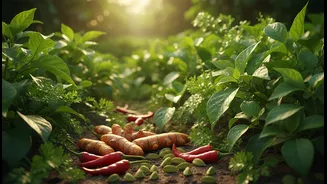
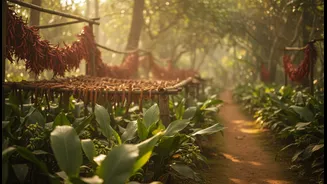
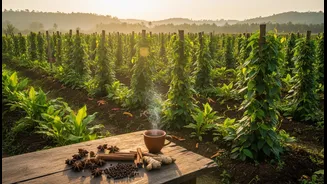
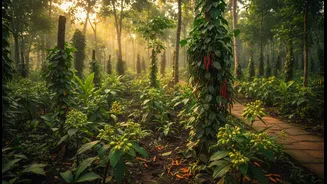
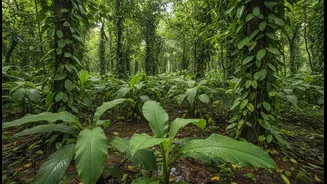
A typical spice plantation tour is an immersive experience for the senses. It often begins with a traditional welcome, perhaps a refreshing herbal tea and a garland of flowers, setting a warm, hospitable tone. From there, a knowledgeable guide leads you through shaded pathways, pointing out spices you may have only ever seen in jars. You’ll discover black pepper as vines climbing tall trees, see nutmeg pods hanging from branches, and learn how vanilla, cloves, and turmeric are cultivated. Many visitors are surprised to see these familiar kitchen staples in their natural state. The tours are educational without being dry, focusing on the history of the spices, their medicinal properties, and their crucial role in Goan life, which was a major centre for the spice trade long before it became a tourist hotspot.
From Farm to a Flavourful Feast
Perhaps the most anticipated part of any spice plantation visit is the meal that follows the tour. This isn't just lunch; it's the culmination of the entire experience. Served in an open-air setting, often on a banana leaf, the meal is a traditional Goan buffet featuring dishes made with spices grown just metres away. Expect a spread of fragrant rice, flavourful curries like chicken xacuti, fresh fish, and vegetable preparations, all bursting with authentic flavours that are far more vibrant than what you find in many commercial restaurants. This farm-to-table feast highlights how integral these spices are to the identity of Goan cuisine, a unique blend of Konkani and Portuguese influences. Many plantations also offer a taste of Feni, the local cashew or coconut spirit, completing the culinary immersion.
An Authentic Cultural Connection
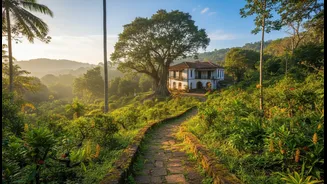
These tours offer more than just botany and food. They provide a genuine connection to Goan culture and its agricultural soul. Some plantations are centuries-old, passed down through generations, and the owners are dedicated to preserving organic and traditional farming methods. Visitors gain insight into a slower, more eco-friendly way of life that stands in stark contrast to the fast-paced tourism of the coast. Depending on the plantation, the experience might also include demonstrations of traditional farming techniques, folk dance performances, or the chance to buy freshly harvested spices and natural oils to take home. It’s an opportunity to understand that the story of Goa is written not just in its colonial architecture and on its sandy shores, but also in the soil of its verdant plantations.