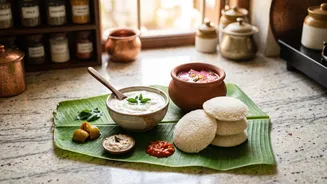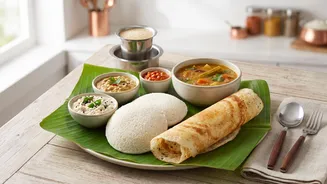



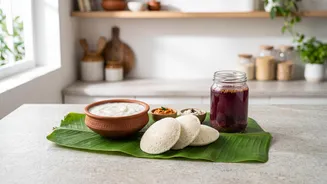
Long before kombucha became a global trend, Indian kitchens have quietly championed fermentation. Staples like dahi, idli, and dosa are more than just delicious; they are a cornerstone of traditional wisdom for maintaining a healthy gut.
The Science of Fermentation
At its core, fermentation
is a natural process where microorganisms like bacteria and yeast break down carbohydrates, such as starch and sugar, in food. This transformation not only preserves the food but also creates beneficial compounds, including live microorganisms known as probiotics. These probiotics are friendly bacteria that contribute to a healthy gut microbiome—the vast community of trillions of microbes living in your digestive tract. A balanced microbiome is essential for everything from nutrient absorption to immune function. When you eat fermented foods, you are essentially reinforcing your gut's army of good bacteria.
A Boost for Daily Digestion
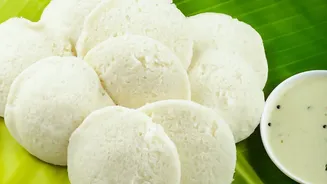
One of the most immediate benefits of including fermented foods in your diet is improved digestion. The fermentation process pre-digests food, breaking down complex compounds into simpler forms that are easier for your body to handle. For instance, the bacteria in yogurt (dahi) break down lactose, the sugar in milk, which is why some people with lactose intolerance find yogurt easier to digest than milk. Furthermore, these foods enhance nutrient absorption. Fermentation can reduce 'anti-nutrients' like phytic acid found in grains and legumes, which can block the absorption of minerals. This is why the fermentation of rice and dal for idli and dosa batter makes nutrients like iron and calcium more available to your body.
The Link to Metabolic Health
The phrase 'metabolic rate' often brings to mind weight loss, but it's more broadly about how your body converts food into energy. A healthy gut plays a significant role in regulating this process. Probiotics from fermented foods help produce short-chain fatty acids (SCFAs) in the gut. These SCFAs are metabolic powerhouses that can influence appetite-regulating hormones, help the body use energy more efficiently, and may even lead to decreased fat storage. A balanced gut microbiome is also associated with better insulin sensitivity and blood sugar control, which are cornerstones of metabolic health. While not a magic bullet, a diet rich in fermented foods supports the underlying systems that keep your metabolism running smoothly by reducing low-grade inflammation and promoting a diverse gut environment.
India's Traditional Fermented Delights
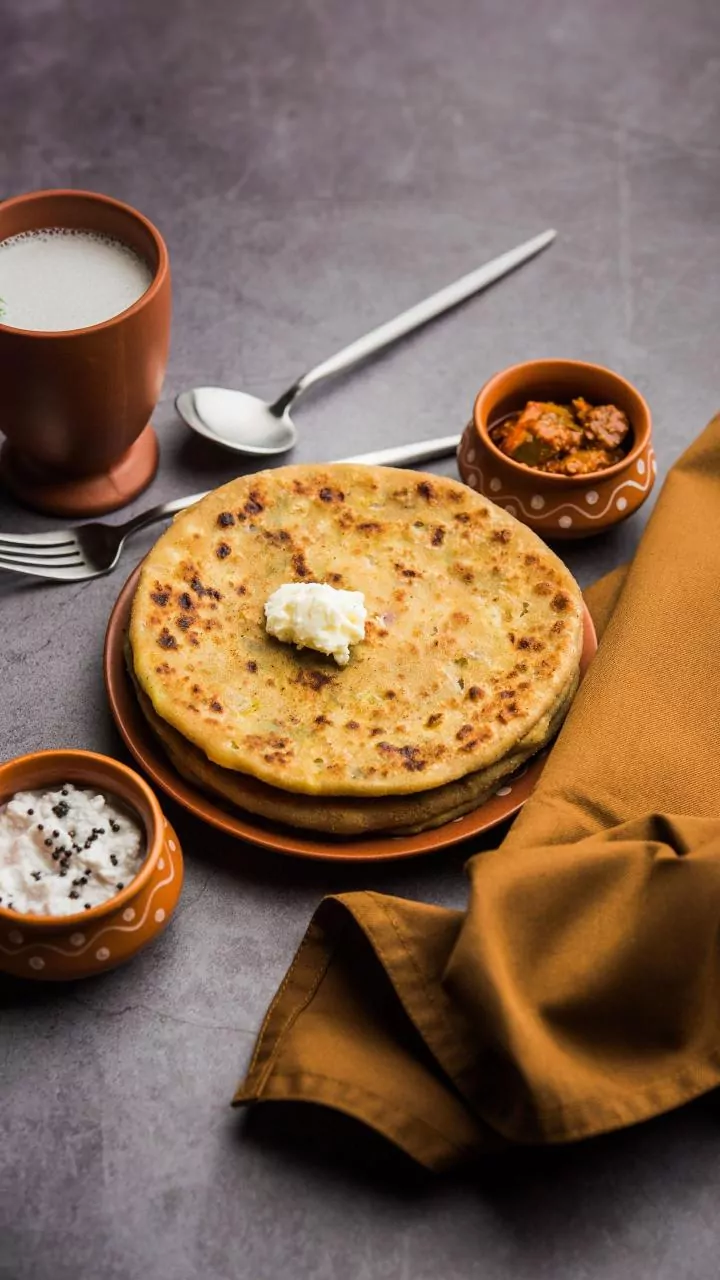
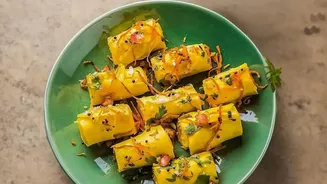
The good news is that you don't need to look for exotic or expensive products to reap these benefits. The Indian diet is naturally rich in a variety of fermented foods. Dahi (curd) is perhaps the most common, a versatile probiotic source eaten with meals across the country. In the South, the fermented batters for idli and dosa are breakfast staples that are light on the stomach. From Gujarat comes dhokla, a steamed and spongy snack made from fermented chickpea or rice flour. Other regional specialties include kanji, a North Indian drink made from fermented black carrots, and the various pickles (achaar) which, when traditionally made through lacto-fermentation, are also a source of probiotics. It's important to note that cooking or pasteurisation can kill live microbes, so while foods like idli and dosa are made from a fermented batter, the final cooked product may not contain live cultures. However, the pre-digestion and increased nutrient availability from fermentation still provide significant benefits.
Simple Ways to Add More to Your Diet
Incorporating these foods into your daily routine is simple and intuitive. Start your day with idli or dosa. Include a small bowl of homemade dahi with your lunch to aid digestion. Snack on dhokla in the evening. A glass of buttermilk (chaas), a byproduct of making butter from curd, is a refreshing and probiotic-rich drink perfect for any time of day. When choosing pickles, opt for traditionally prepared, unpasteurised versions where salt and time, not vinegar, are the primary agents. By embracing these familiar foods, you can easily and deliciously support your digestive system and overall metabolic wellbeing.