




Meet the New Green Hosts
Across India's cities, a quiet revolution is taking place at the dining table. Young professionals and millennials, while deeply connected to the festive spirit, are increasingly uncomfortable with the waste that often follows. They are questioning the need
for single-use plastics and are instead looking for more meaningful and sustainable ways to celebrate. This isn't about austerity; it's about a conscious choice to align celebrations with their values. Driven by a greater awareness of environmental issues and a desire for authenticity, these hosts are reinterpreting what it means to throw a memorable festive gathering. They are leading a charge toward 'conscious celebrations', where the health of the planet is as important as the happiness of their guests.
The Plate Comes Full Circle
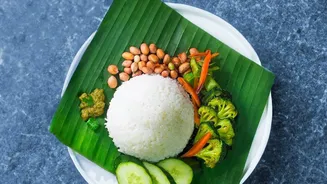
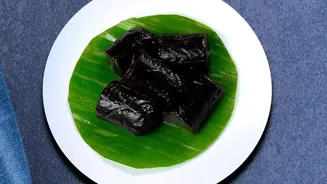
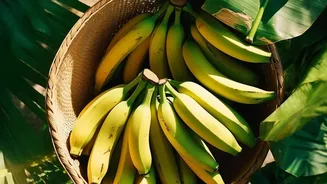
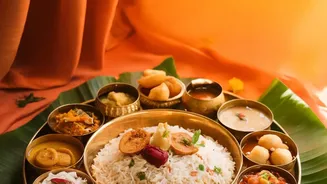
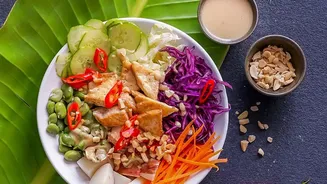
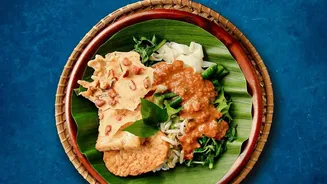
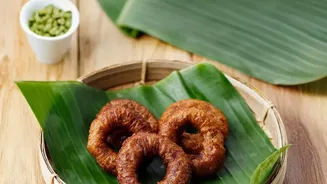
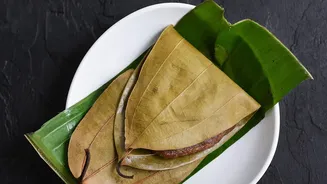
At the heart of this trend is the rejection of disposable plastic and paper plates in favour of a more traditional and elegant solution: the banana leaf. For centuries, serving food on banana leaves has been a tradition in South India and parts of Bengal, not just for its practicality but for its cultural significance. Today's young hosts are rediscovering its benefits. Banana leaves are fully biodegradable, waterproof, and large enough to hold a multi-course meal. When hot food is served on them, they release polyphenols, natural antioxidants that are beneficial for health, and impart a subtle, pleasant aroma to the food. This revival extends to other natural dinnerware like 'pattals' (plates stitched from sal leaves), turning the simple act of serving a meal into a statement of cultural pride and environmental responsibility.
Celebrating the Local Harvest
The eco-conscious mindset extends to the menu itself. The second key trend is a decisive shift towards using local and seasonal produce. Instead of sourcing exotic vegetables that have travelled thousands of miles, these hosts are building their festive menus around what's fresh at their local market. This approach has multiple benefits. It significantly reduces the carbon footprint associated with food transportation. It supports local farmers and boosts the community economy. Moreover, seasonal produce is often fresher, more nutritious, and tastier, leading to a more vibrant and flavourful feast. By cooking with ingredients that are in season, young hosts are not only making a sustainable choice but are also reconnecting with the agricultural rhythms of their region.
Beyond the Feast: A Holistic Approach
This sustainable spirit isn't confined to food and plates. It's a 360-degree approach to hosting. Decorations are seeing a return to natural and reusable materials. Plastic streamers are being replaced by fresh flower garlands, or 'torans' made of marigold and mango leaves, and fabric buntings made from old sarees. Earthen diyas are chosen over petroleum-based candles, and intricate rangolis are made with rice flour and flower petals instead of synthetic powders. Gifting is also becoming more mindful, with a preference for homemade sweets, potted plants, or locally crafted goods in reusable packaging like cloth bags. The goal is to minimise waste at every step, creating a celebration that is beautiful, meaningful, and leaves a light footprint on the earth.
A Mindset for the Future
This growing trend among young Indian hosts is more than just a passing fad; it represents a deeper cultural shift. It’s a fusion of looking forward and looking back—using modern environmental awareness to revive and appreciate age-old traditions that were inherently sustainable. It challenges the modern notion that celebration must equal consumption and waste. For this generation, a truly abundant feast is one that nourishes the guests, supports the community, and respects the environment. They are proving that you don't have to choose between tradition and progress; sometimes, the most progressive act is to embrace the wisdom of the past.