



The Science of Absorption
When we talk about protein, we often focus on the number of grams. But the real story is about 'bioavailability'—how much of that protein your body can actually break down, absorb, and use. Think of it as the difference between depositing money in a bank
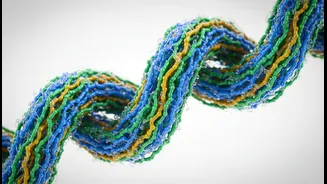
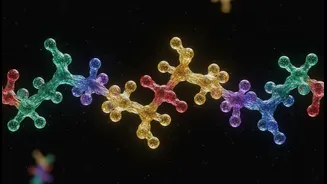
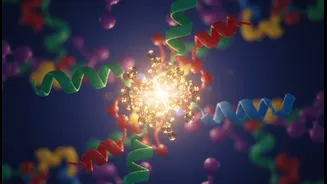
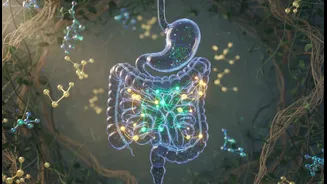
and that money being cleared and ready to spend. Protein digestion begins in the stomach and continues into the small intestine, where proteins are broken into amino acids. These amino acids are the building blocks your body uses for everything from repairing tissues to building muscle. If they aren't absorbed into your bloodstream, they can't do their job, no matter how much protein you've consumed.
The Vegetarian's Challenge
A plant-based diet is incredibly healthy, but it presents a unique puzzle for protein absorption. Plant proteins often have lower digestibility compared to animal proteins. This is partly due to their fibrous structure and the presence of 'anti-nutrients' like phytates and lectins, which can slightly hinder the absorption of amino acids and minerals. Additionally, most single plant sources are 'incomplete,' meaning they are low in one or more of the nine essential amino acids our bodies can't make themselves. While animal proteins like eggs or milk are complete, vegetarians need to be a bit more strategic to get the full spectrum of amino acids their bodies require.
The Fitness Fan's Goal
For anyone who exercises regularly, protein is synonymous with results. Physical activity, especially resistance training, creates tiny tears in muscle fibres. Your body repairs these tears, and with the right fuel, builds the muscle back stronger—a process called muscle protein synthesis. This repair-and-build cycle is entirely dependent on a ready supply of amino acids from digested protein. If protein absorption is poor, your muscles don't get the materials they need, when they need them. Optimising absorption means faster recovery, reduced soreness, and more efficient muscle growth. To maximize muscle building, the body can effectively use about 20-30 grams of protein at one time after a workout.
Smart Ways to Boost Absorption
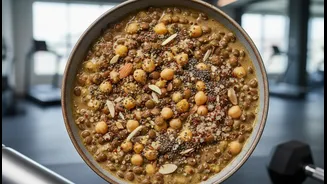
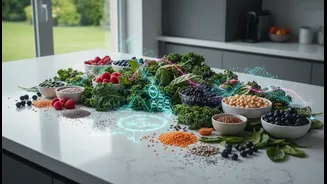
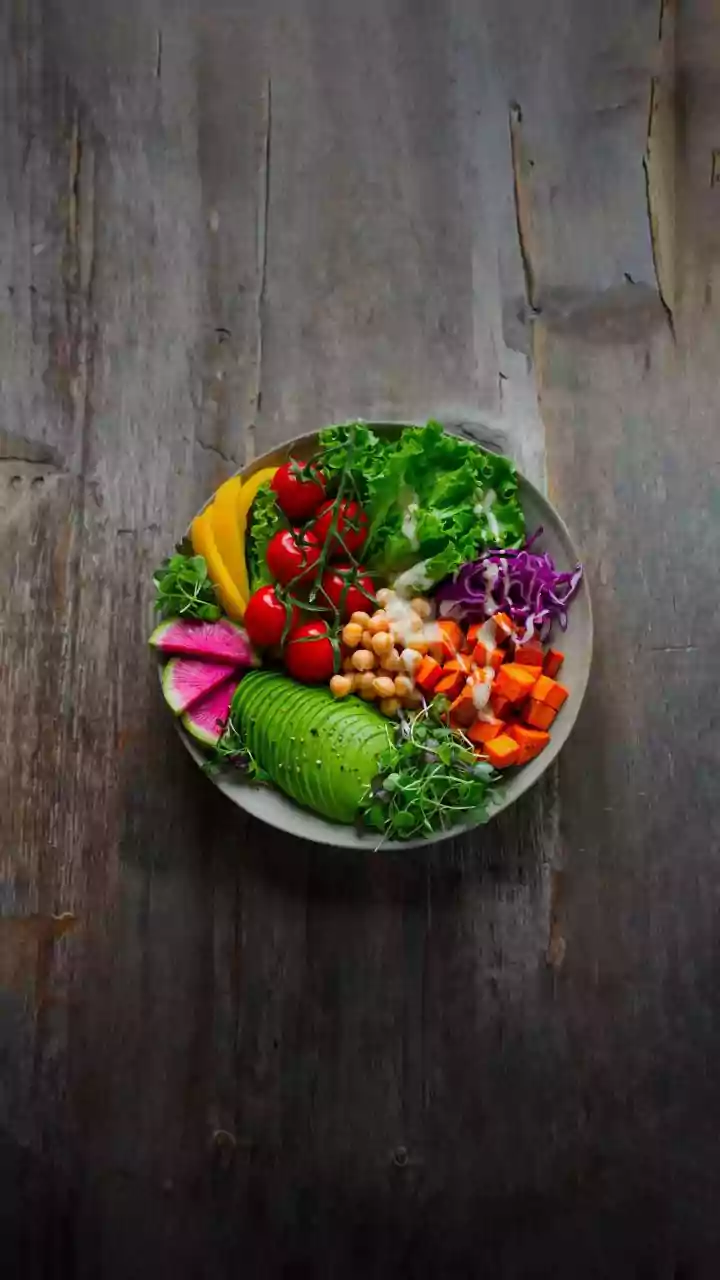
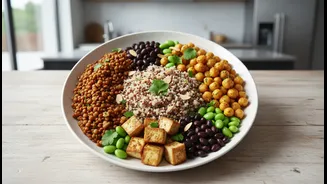
The good news is that you can significantly improve how well your body absorbs protein with a few simple techniques. For vegetarians, 'protein combining' is a game-changer. By eating different plant foods together, you can create a complete amino acid profile. Classic pairings like rice and beans or hummus and pita bread are perfect examples. You don't necessarily need to combine them in the same meal, but rather consume a varied diet throughout the day. Another powerful strategy is preparation. Soaking, sprouting, or fermenting legumes, grains, and seeds can drastically reduce anti-nutrient levels and make the protein more available. Cooking also helps; boiling can reduce lectins and other anti-nutrients found in raw plants. Finally, supporting your overall digestive health with a balanced diet helps your gut work more efficiently for you.