









What Exactly Is a 'Planting Window'?
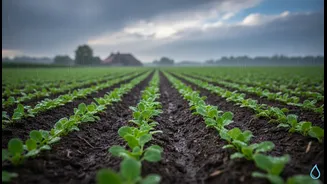
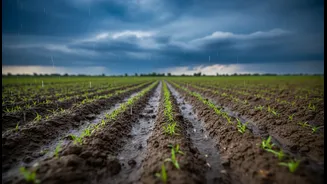
Think of the planting window as nature's starting pistol for the agricultural year. It’s a specific, limited period when the soil has the perfect amount of moisture and temperature for seeds to germinate and thrive. For 'rain-fed' agriculture, this window is opened
exclusively by monsoon showers, as these farms don't use irrigation systems like canals or borewells. Timing is everything. Planting too early before the soil is sufficiently moist means seeds may fail to sprout. Planting too late means the crop might not have enough time to mature before the rains withdraw, leading to a smaller harvest. Getting it right is a delicate balance of science, tradition, and a keen eye on the weather forecast.
The Kharif Clock for Bengaluru's Farmers
In the region around Bengaluru, this all-important window corresponds with the Kharif season, which kicks off with the arrival of the southwest monsoon, typically in June. A huge portion of Karnataka's agriculture—nearly 91 lakh hectares—is rain-fed, making this period vital for the state's food security. During this window, farmers sow essential crops that form a core part of the local diet. These include staples like ragi (finger millet), which is a major crop in southern Karnataka, along with maize, tur (a type of pulse), and oilseeds like groundnut. The success of these crops depends almost entirely on the monsoon arriving on time and providing consistent rainfall throughout the season.
The 2026 Monsoon Report Card (So Far)
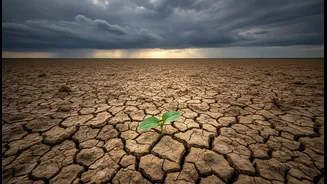
This year, the planting window has been fraught with anxiety. The 2026 southwest monsoon had a delayed and weak start across Karnataka, a situation experts attribute to the El Niño weather pattern. June saw a significant rainfall deficit, causing widespread delays in sowing. As of early July, statewide Kharif sowing was lagging significantly, having reached only 43% of the target. The situation has been particularly concerning in the areas surrounding Bengaluru. Districts like Bengaluru Rural and Chikkaballapur have reported extremely low sowing coverage. Ragi sowing, for instance, had nearly stalled at just 1% of its target area by the first week of July. While a brief period of heavy rain in early July helped reduce the state's overall deficit, the crucial South Interior Karnataka region, including Bengaluru, remained 60% deficient in rainfall for July. Weather forecasts predict that the monsoon is likely to weaken again after July 10, heralding a dry spell that could further threaten struggling crops.
The Domino Effect of a Missed Window
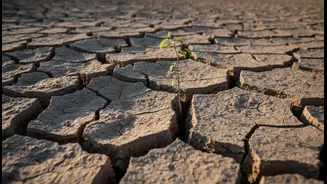
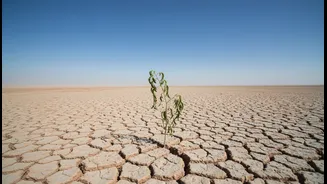
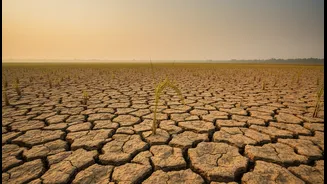
When farmers struggle to plant within this critical window, the consequences ripple outwards. For the farmers themselves, a delayed or failed sowing season means their primary source of income is at risk. Many have already invested in seeds and preparing their land, and are now watching anxiously as young saplings wilt in fields that are too dry. But the impact doesn't stop at the farm gate. A significant drop in the production of staples like pulses and ragi can lead to lower supply in urban markets. This supply-demand gap can eventually translate into higher food prices for consumers in cities like Bengaluru. It's a direct link from the rain on a farmer's field to the cost of groceries in your shopping basket. The economic health of the entire state is tied to this seasonal rhythm.
Why It's More Than Just Farming
The monsoon's performance affects more than just agriculture. The same rains that open the planting window are responsible for replenishing the region's water resources. A healthy monsoon recharges groundwater tables, which are crucial for drinking water supply in both rural and urban areas throughout the year. It fills the reservoirs that provide water to cities and generates hydroelectric power. When the monsoon is weak, the stress on these resources intensifies, potentially leading to water scarcity in the summer months that follow. In essence, the monsoon is the engine that powers the entire ecological and economic system of the region. From the farmer's field to the water in our taps, its timely arrival and steady performance are something that affects every single resident.