


The Moon's Harsh Reality
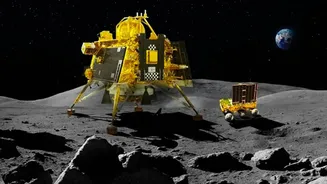
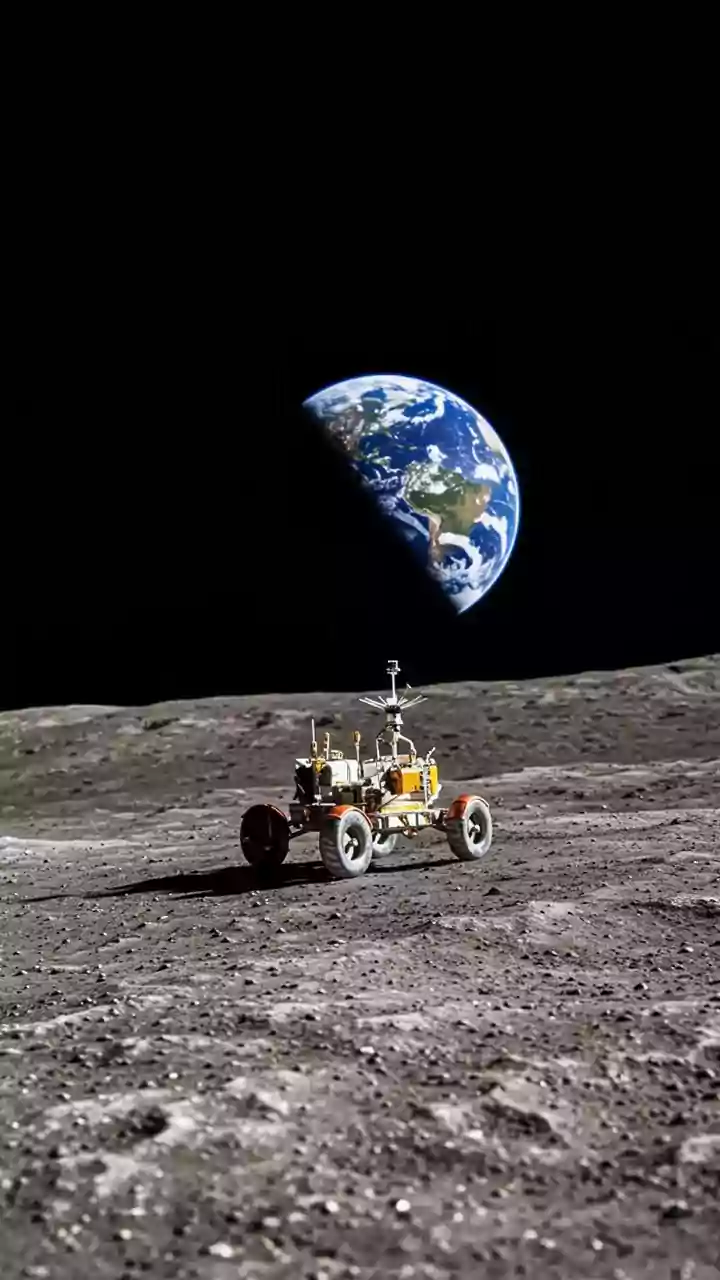
The lunar surface is an unforgiving place. With virtually no atmosphere, it is constantly bombarded by cosmic and solar radiation that can be up to 200 times more intense than on Earth. This poses a significant health risk to astronauts, limiting surface missions
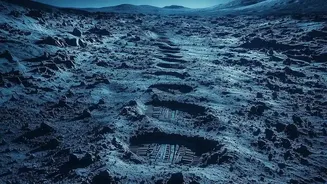
to short durations and making the idea of a long-term habitat incredibly challenging. On top of the radiation, the Moon experiences extreme temperature swings, from scorching daylight to freezing darkness, each lasting about two Earth weeks. There is also the constant threat of micrometeorite impacts, tiny particles traveling at incredible speeds that can damage equipment and structures. Building surface habitats capable of withstanding this onslaught would require immense resources and complex engineering.
Nature's Perfect Lunar Shelter
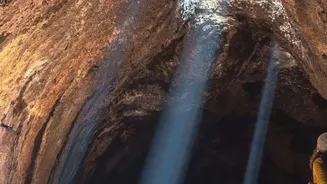
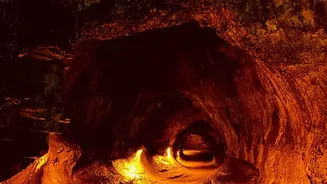
Scientists believe they have found a natural solution: lunar lava tubes. Billions of years ago, when the Moon was volcanically active, rivers of lava carved out massive underground tunnels. As the lava drained away, it left behind enormous hollow caverns, some potentially large enough to house entire cities. These subterranean networks, first theorized decades ago and recently confirmed with radar data from NASA's Lunar Reconnaissance Orbiter, offer a ready-made sanctuary. The thick rock ceilings provide excellent natural shielding, dramatically reducing exposure to radiation and protecting against meteorite strikes. Inside, temperatures are believed to be relatively stable, offering a consistent environment compared to the volatile surface.
The Robotic Pioneers
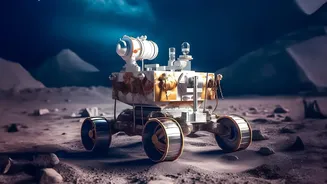
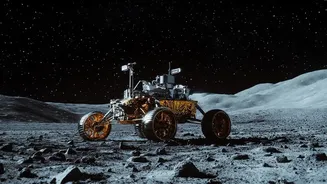
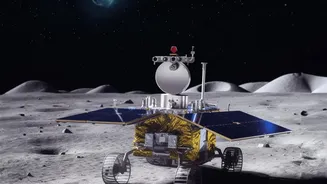
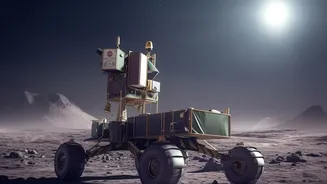
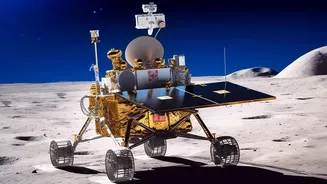
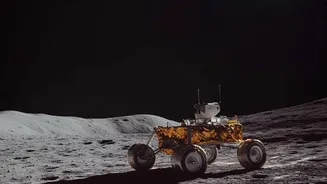
Before humans can move in, these caves must be explored. Sending astronauts into these unknown, dark, and potentially hazardous environments is too risky. This is where autonomous robots come in. Several space agencies and research institutions are developing specialized rovers and drones designed for this very purpose. The European Space Agency (ESA), for instance, is studying concepts like DAEDALUS, a spherical robot that can be lowered into a pit and then roll autonomously to map the interior using LiDAR and cameras. The idea is for the robot to create detailed 3D maps, assess the structural integrity of the cave, and search for valuable resources like water ice, without human intervention. Teams from universities like Carnegie Mellon are also designing small, fast, and agile rovers capable of navigating the treacherous terrain expected inside these tubes.
A Blueprint for the Future
The missions being designed today are not just for scientific curiosity; they are laying the groundwork for the commercialization of space and the establishment of a permanent human presence on the Moon. These robotic explorers act as advance scouts, gathering the critical data needed to plan future habitats. Some concepts involve teams of robots working cooperatively. One recent European project tested a system in the volcanic caves of Lanzarote, Spain, where a trio of robots mapped a cave entrance, lowered a sensor payload, and then sent a scout rover rappelling inside to create 3D maps. More recently, in early August 2026, NASA funded a concept for a laser-powered drone called the Lunar Underground eXplorer (LUX) designed by Stone Aerospace to explore a deep lunar pit. This drone would be powered and communicate via a fiber-optic cable connected to a surface rover, allowing it to venture deep into tunnels. By sending these robotic emissaries first, we can identify the safest and most resource-rich locations for building the lunar bases of the future.