





The Golden Rule: Pay Yourself First
In the world of personal finance, there’s one rule that supersedes all others: secure your foundation before you build the house. For your financial life, that foundation is an emergency fund. This isn't ‘idle’ money or money that’s ‘missing out’ on market
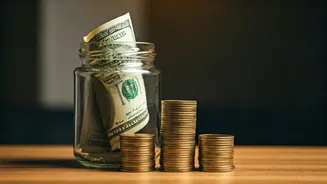
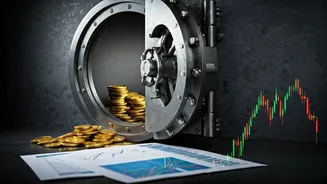
returns. It is your financial shock absorber. An emergency fund is a pool of liquid cash set aside exclusively to cover large, unexpected expenses, such as a sudden job loss, a medical crisis, or an urgent home repair. Think of it as your personal financial firefighter, ready to tackle any blaze without you having to burn down your long-term investments to put it out. Without this buffer, any unforeseen event could force you to sell your investments at the worst possible time, potentially turning a temporary market dip into a permanent loss for you.
Why It’s Your Financial Bedrock
Financial advisers stress the importance of an emergency fund for several critical reasons. Firstly, it provides peace of mind. Knowing you have a safety net allows you to take calculated risks with your investments rather than being driven by fear. When the market inevitably faces a downturn, you won't be tempted to panic-sell your holdings to cover a sudden expense. Secondly, it protects your long-term goals. Without an emergency fund, a hospital bill or a job layoff could force you to dip into funds earmarked for retirement, your child’s education, or a down payment on a home. This not only derails your progress but can also come with penalties and taxes. In essence, the emergency fund insulates your wealth-building strategy from the chaos of life, allowing your investments to grow uninterrupted over the long term, which is how compounding truly works its magic.
Calculating Your Magic Number
So, how much is enough? The standard rule of thumb is to have at least three to six months' worth of essential living expenses saved. To calculate this, you need to be honest about your non-negotiable costs. Tally up your monthly expenses for housing (rent or EMI), utilities (electricity, water, internet), food, transportation, insurance premiums, and any other recurring bills that are essential for your survival. Do not include discretionary spending like dining out, entertainment, or shopping. If you're in a stable job with a dual-income household, three months might suffice. However, if you are self-employed, have a single source of income, or work in a volatile industry, aiming for six months or even more provides a much stronger safety margin. The goal is to have enough to cover your basic needs for a period long enough to find a new source of income without stress.
Where to Park This Critical Cash
The two most important features of an emergency fund are safety and liquidity. This means the money must be easily accessible and not at risk of losing value. This is not the money you use to try and beat inflation or time the market. The best places to keep your emergency funds are high-yield savings accounts, sweep-in fixed deposits (which offer higher returns than savings accounts but with the same liquidity), or ultra-short-term liquid mutual funds. Avoid keeping this money in stocks, equity mutual funds, or other market-linked products, as their value can drop just when you need the cash. The goal is not to earn high returns on this fund; the 'return' is the stability and security it provides to your entire financial life.
Now, You Are Ready to Invest
Once your emergency fund is fully funded, you have earned the right to take on market risk. With your financial foundation secure, you can approach investing with a completely different mindset. You can invest systematically through SIPs, stay invested during market volatility, and make rational decisions based on your financial goals rather than your immediate cash needs. Having that reserve in place transforms investing from a gamble into a disciplined strategy for long-term wealth creation. It is the most powerful tool for turning a nervous, speculative investor into a confident, successful one.