


Chia Seeds: The Fibre Powerhouse
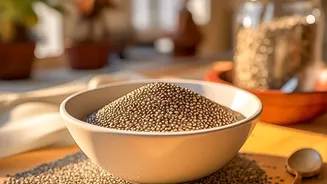
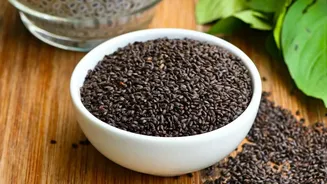
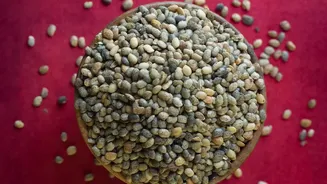
Chia seeds are tiny but mighty, renowned for their incredible fibre content. Just two tablespoons contain about 10 grams of fibre. This is significant because soluble fibre absorbs water, forming a gel-like substance in your stomach. This process slows
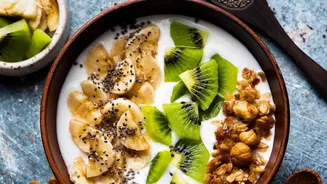
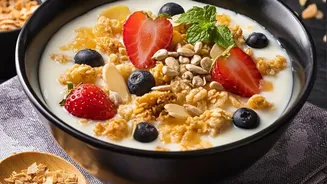
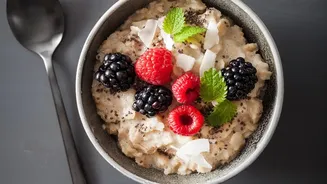
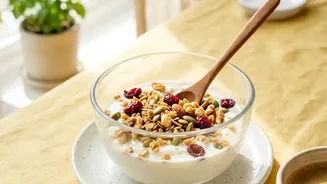
down digestion, which in turn helps prevent rapid blood sugar spikes after a meal. This slowing effect is what contributes to a feeling of fullness, or satiety, helping you manage hunger throughout the morning. Chia seeds also provide plant-based protein and omega-3 fatty acids, which support heart health—a crucial consideration for anyone managing diabetes. To incorporate them, try making an overnight chia pudding with unsweetened milk, or simply sprinkle a spoonful over yogurt or oatmeal.
Flax Seeds (Alsi): Rich in Omega-3s and Lignans
Flax seeds, or 'alsi' as they are commonly known in India, are another excellent choice. They are one of the best plant sources of alpha-linolenic acid (ALA), a type of omega-3 fatty acid that has anti-inflammatory properties and supports heart health. Like chia, flax seeds are high in fibre, which aids in blood sugar control by slowing the release of glucose into the bloodstream. Studies have shown that regular consumption can help improve insulin sensitivity. For your body to best absorb their nutrients, it's recommended to consume flax seeds in ground form. You can easily add a tablespoon of ground flaxseed to smoothies, sprinkle it over cereal, or even mix it into the batter for dosa or chapati.
Pumpkin Seeds (Kaddu Ke Beej): A Magnesium Boost
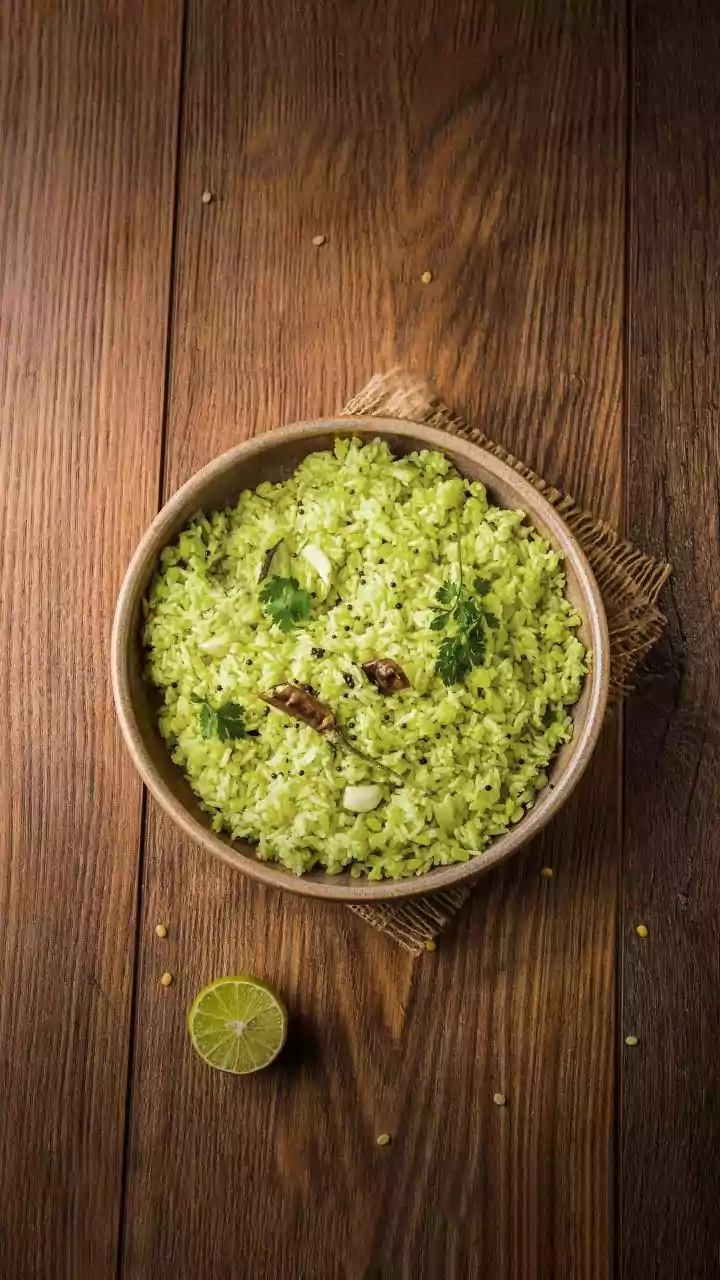
Often enjoyed as a snack, pumpkin seeds are a nutritional powerhouse for diabetes management. They are an exceptional source of magnesium, a mineral that plays a vital role in the body's response to insulin. Many people with insulin resistance have been found to have low levels of magnesium, making pumpkin seeds a valuable dietary addition. Beyond magnesium, these seeds offer a good balance of protein, healthy fats, and fibre, all of which contribute to satiety and more stable blood sugar levels. A daily serving of about a quarter cup is recommended to get the benefits without adding excessive calories. Enjoy them lightly roasted and unsalted, or sprinkle them over poha, upma, or a bowl of yogurt.
Sunflower Seeds (Surajmukhi Ke Beej): Full of Healthy Fats and Vitamin E
Sunflower seeds have a low glycemic index, meaning they release energy slowly and help prevent sudden glucose spikes. They are rich in healthy unsaturated fats, protein, and fibre, a combination that works together to slow down stomach emptying. This helps you feel fuller for longer and allows for a more gradual release of sugar from any carbohydrates eaten in the same meal. Sunflower seeds are also an excellent source of Vitamin E, an antioxidant that helps combat inflammation, which is often a concern with diabetes. A small handful of unsalted sunflower seeds makes a great snack or a crunchy topping for salads and vegetable dishes. A daily serving of around 30 grams has been linked to better fasting blood sugar levels in some studies.
Sesame Seeds (Til): Nutty and Nutrient-Dense
Sesame seeds, or 'til', are a staple in many Indian kitchens and offer significant benefits. They have a very low glycemic index and are a good source of protein and healthy fats, which promote satiety. The combination of fibre and healthy fats also helps to blunt the blood sugar impact of other carbohydrates you might eat them with. Furthermore, sesame seeds contain unique plant compounds called lignans and phytosterols, which may help improve heart health by managing cholesterol levels. Both black and white sesame seeds are nutritious. You can sprinkle them over breakfast dishes, blend them into a chutney without added sugar, or use tahini (a paste made from sesame seeds) as a base for a savoury breakfast dressing.