






More Than Just Steps
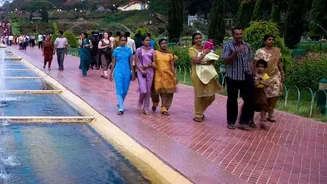
Across India's bustling cities, a quiet revolution is taking place in a loop. Forget the solitary confinement of the treadmill or the intimidating atmosphere of a packed gym. A new wave of community-led walking groups is encouraging people to lace up their
shoes and rediscover the simple joy of walking together. These are not just about burning calories; they represent a fundamental shift in how people view exercise. Instead of a chore to be endured, fitness is becoming a social event, a chance to connect, and a way to explore. From Mumbai's Marine Drive to Bengaluru's Cubbon Park, groups are forming organically, driven by a shared desire for a healthier lifestyle that doesn't sacrifice social connection. This trend shows a growing understanding that movement is different from a scheduled workout; it’s about integrating activity into life in a sustainable, enjoyable way.
The Power of the Pack
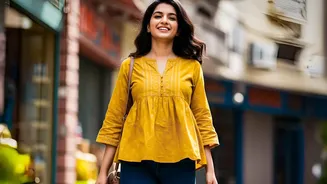
The primary driver behind the success of these groups is not fitness, but community. In an era of remote work and digital-first interactions, people are actively seeking genuine human connection. Walking with others provides a powerful antidote to urban isolation. The conversation flows as easily as the footsteps, turning a simple walk into a shared experience. This social aspect provides crucial motivation and accountability. It's much harder to skip a walk when you know friends are waiting for you. Groups like 'City Girls Who Walk' in Delhi have created safe, supportive spaces for women to connect, share experiences, and build friendships. This sense of belonging transforms exercise from a personal struggle into a collective celebration, improving mental well-being just as much as physical health.
Your City, Your Gym
These walking groups are also turning participants into tourists in their own towns. Many walks are designed to showcase the hidden gems of a city, from historical lanes and architectural marvels to serene natural trails. Groups in Delhi, for example, often combine their walks with explorations of heritage sites like Lodhi Garden or Humayun's Tomb, adding a layer of cultural discovery to their physical activity. This approach re-contextualizes the urban environment, turning pavements and parks into a vast, free, and ever-changing gym. For many, it's a chance to see their city from a new perspective, noticing details they would otherwise miss while rushing by in a car or autorickshaw.
From a Walk to a Way of Life
What often starts as a simple weekend walk frequently evolves into something more. Many groups expand their activities beyond just covering kilometres. Post-walk breakfasts at local cafes are a common tradition, strengthening social bonds formed on the trail. Some groups, like the Gurgaon Walkers Group, have diversified to include everything from hikes and cycling for women to intergenerational events and spiritual trips for senior citizens. Others incorporate activities like yoga, poetry sessions, or even clean-up drives, adding a sense of purpose and variety. This evolution demonstrates that the initial act of walking together is often just a gateway to building a more active, engaged, and community-oriented lifestyle.
How to Join the Movement
Getting involved is simpler than you might think. The low-impact nature of walking makes it accessible to almost everyone, regardless of age or fitness level. Platforms like Meetup list dozens of walking groups in major Indian cities like Pune, Bangalore, Mumbai, and Delhi, with communities numbering in the thousands. A quick search on social media for your city's name plus "walking group" will likely yield several options. If you can't find one that fits your schedule, consider starting your own. All it takes is a couple of friends, a designated time and place, and a comfortable pair of shoes. The beauty of this trend lies in its simplicity and accessibility, proving that the first step towards a healthier, happier life is one we can all take.