






The New Economics of a Movie Outing
The simple math is hard to ignore. A single trip to a metropolitan multiplex for a family can be a significant expense. Ticket prices for a blockbuster on an opening weekend can range from ₹250 to over ₹800, and premium formats like IMAX or 4DX can push
a single ticket past ₹2000. Add the notoriously high cost of snacks and drinks—where a combo can cost ₹500 to ₹900—and parking, and a single outing can easily cost a family thousands of rupees. In contrast, a monthly subscription to a streaming service like Netflix, Amazon Prime Video, or Disney+ Hotstar costs less than a single premium movie ticket. These platforms offer a vast library of films and series, making the value proposition of staying home undeniable for many. Even with a delayed theatrical release to OTT, audiences know the film will eventually be available to watch in the comfort of their home for a fraction of the cost.
The 'Event-ization' of Cinema
In response to the streaming threat, studios and theatres have leaned into making cinema-going an 'event'. It's no longer just a movie; it's an unmissable cultural moment. This is where grand visual spectacles thrive. Films shot for premium large formats (PLFs) like IMAX, or those offering multi-sensory experiences like 4DX, create a powerful incentive. These technologies promise an immersive experience that even the best home theatre setup cannot replicate—a bigger screen, superior sound, and in the case of 4DX, physical effects like motion, wind, and scents. Marketing campaigns hammer this point home, selling not just the story but the sheer scale of the production. This creates a two-tiered system in the audience's mind: routine films for the couch, and 'event' films that demand the unique environment of a theatre.
The Squeezed Middle
The casualty in this new landscape is the mid-budget film. Dramas, character-driven thrillers, and comedies—once the backbone of the theatrical slate—are now in a precarious position. These films often lack the explosive visual effects to demand a PLF viewing, yet they are the very movies that now populate streaming services. Faced with the choice of spending a large sum to see a drama in a theatre or waiting a few weeks to watch it as part of an existing subscription, the audience's choice is increasingly clear. This has created a feedback loop: as audiences stop showing up for mid-budget films, theatres dedicate fewer screens to them, and studios become more risk-averse, prioritising either mega-budget blockbusters or low-cost films made directly for streaming. This squeezes the creative middle, which has historically been a crucial space for developing new talent and telling diverse stories.
The Power of the Shared Experience
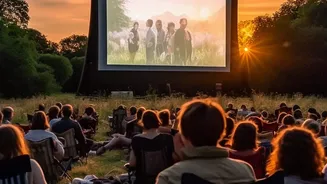
Despite the economic and convenience factors, the magic of the theatre hasn't entirely faded. What keeps it relevant, particularly for spectacles, is the power of a shared experience. Watching a horror film in a packed hall, where fear is contagious and jump scares are a collective event, is fundamentally different from watching it alone. Likewise, the communal laughter during a comedy or the unified gasp during a major plot twist enhances the film's impact. This is particularly true in India, where audience participation—cheering, whistling, and reacting audibly—is an integral part of the film-going culture. This communal energy is something streaming cannot replicate, and it remains the ace up the sleeve for theatres. It’s the primary reason audiences will still make the effort for films that feel like a party everyone is invited to.