


We all love the comfort of loose, breezy clothing, but sometimes those shapeless silhouettes can leave us feeling lost in the fabric. A simple belt is the transformative accessory that can instantly add definition and polish to your look.
The Magic of a Defined Waist
The primary function
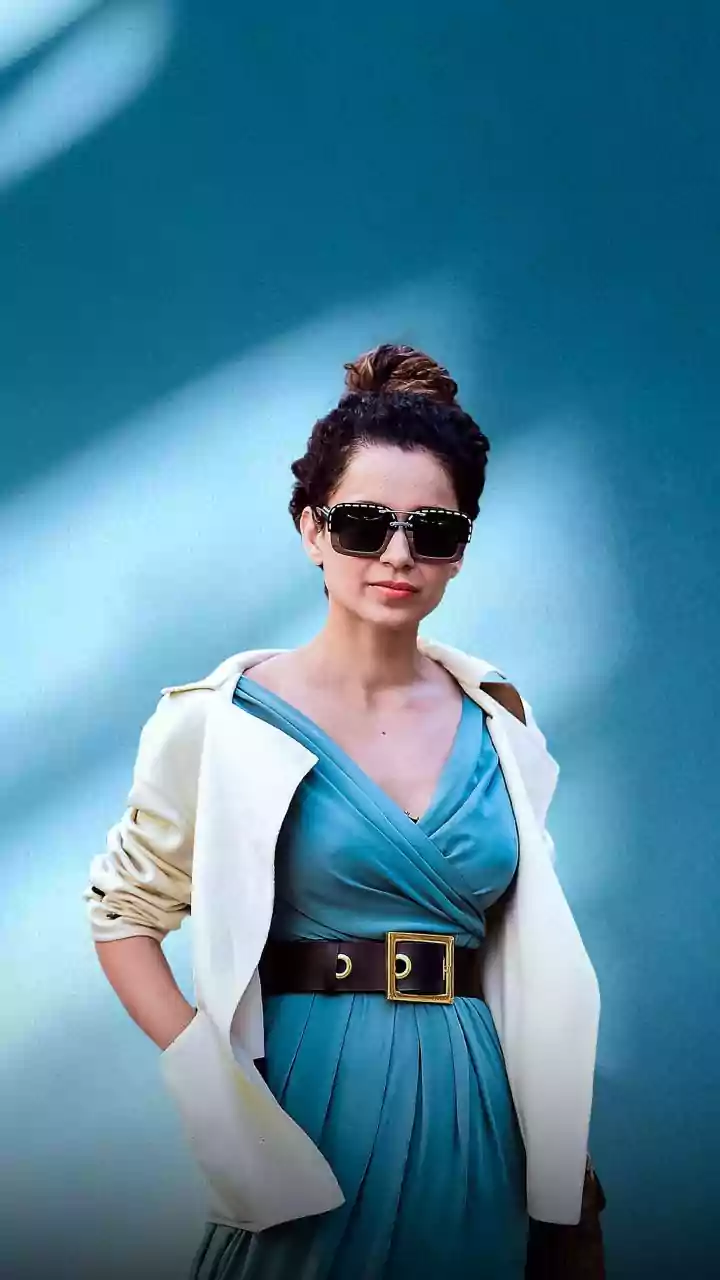
of a belt on a loose garment is to create a waistline. By cinching the fabric at your natural waist—the narrowest part of your torso—you instantly create an hourglass effect. This simple action breaks up a large block of colour or pattern, drawing the eye inward and creating a more flattering, structured silhouette. It’s a trick that makes an outfit feel more intentional and put-together, transforming a shapeless piece into something with purpose and form. Even on days when you prioritize comfort, adding a belt is a low-effort way to elevate your style.
Conquering the Shapeless Dress
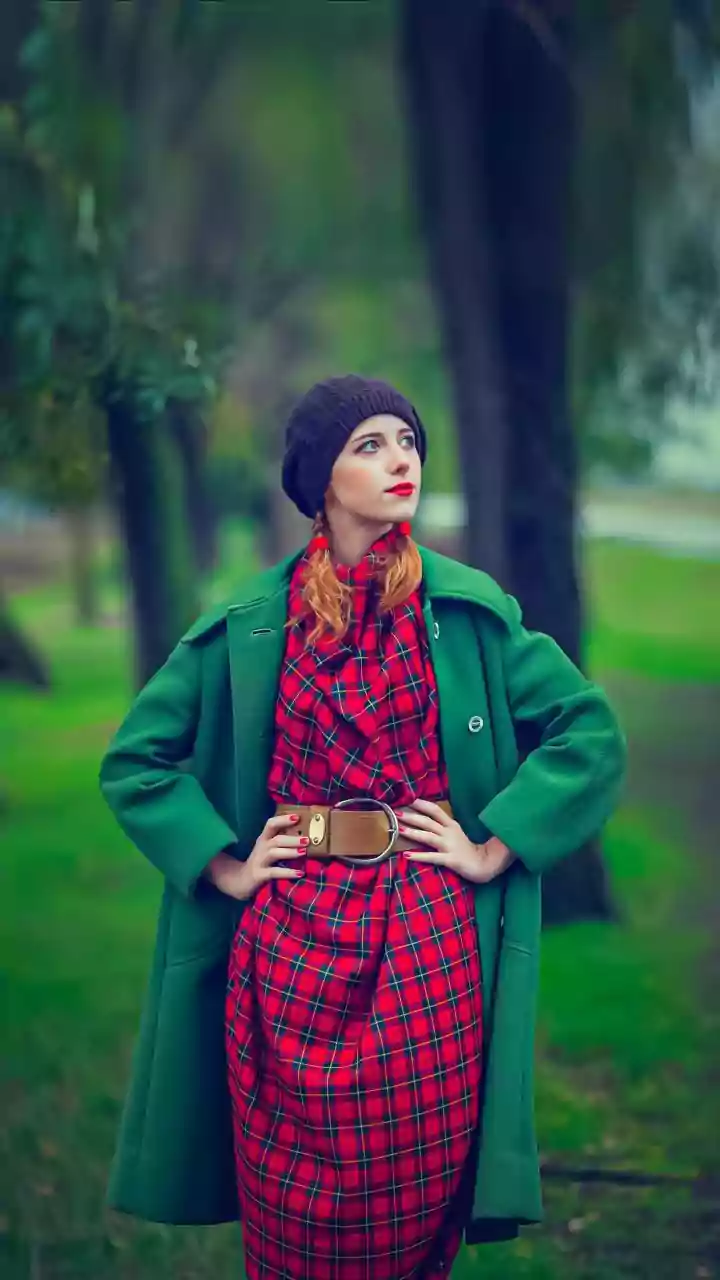
A boxy shift dress, a flowing maxi, or a cosy sweater dress can all benefit from a belt. For a shapeless dress, adding a belt is the easiest way to fake a fit-and-flare style. The key is placement and proportion. Cinching a belt at your natural waist is the most common approach, but placing it just under the bust can elongate your legs, a particularly effective trick for flowy dresses. When it comes to belt choice, a medium-width belt often works best on sweater dresses, while a skinny belt can add a subtle, polished touch to a simple shift dress without overwhelming it. For a bohemian maxi dress, a soft, braided leather belt can enhance its relaxed vibe.
Taming an Oversized Kurta or Shirt
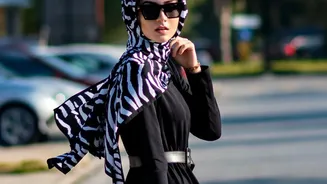
Oversized shirts and long kurtas are staples for their comfort and versatility, but they can easily look shapeless. A belt is the perfect tool to give these garments structure. Placing a belt over a long kurta or tunic instantly solves the problem of a formless outline. You can experiment with placement: a higher cinch creates an elegant, defined waist, while a lower-slung belt on the hips gives off a more relaxed, bohemian feel. You can choose a wide belt for a bold statement or a sleek, narrow one for a more understated, modern look. This works especially well when layering the kurta or shirt over jeans or fitted trousers.
Structuring Coats and Cardigans
Don't forget your outerwear. Loose cardigans and unstructured coats can often hide your shape completely. Belting over the top is a fantastic way to reclaim your waistline, especially during cooler months when you're bundled in layers. This technique visually breaks up the bulk of the fabric and adds a chic, stylistic element. You can choose a belt that contrasts with your coat to make a statement or one in a similar shade for a more monochromatic, sophisticated look. This ensures your silhouette remains defined, even under multiple layers.
Choosing the Right Belt
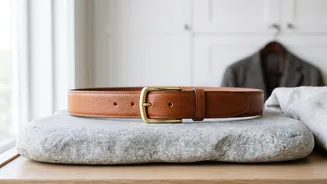
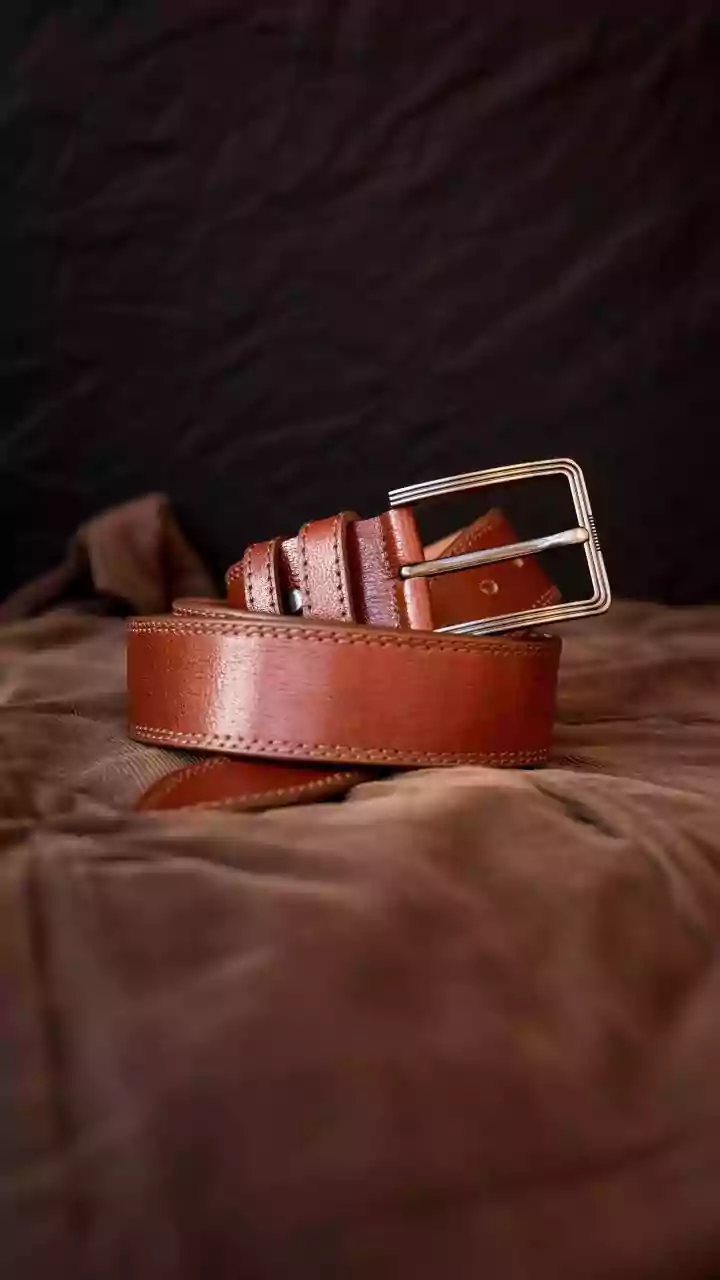
The type of belt you choose matters. Skinny belts (around 1-inch wide) are great for a subtle accent on an outfit that already has some shape. Medium-width belts (1.25 to 1.5 inches) are often the most versatile, sturdy enough to balance the volume of baggy jeans or define the waist of a dress. Wide belts (2 inches or more) make a bold statement and are excellent for giving a clean finish to oversized tops and blazers. Materials also play a role; smooth leather is classic and formal, while woven fabric, suede, or raffia belts lend a more casual, textured feel to an outfit.