




What Is This Ancient Superfood?
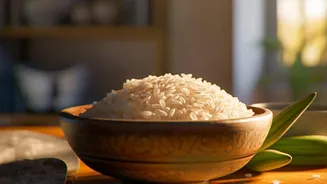
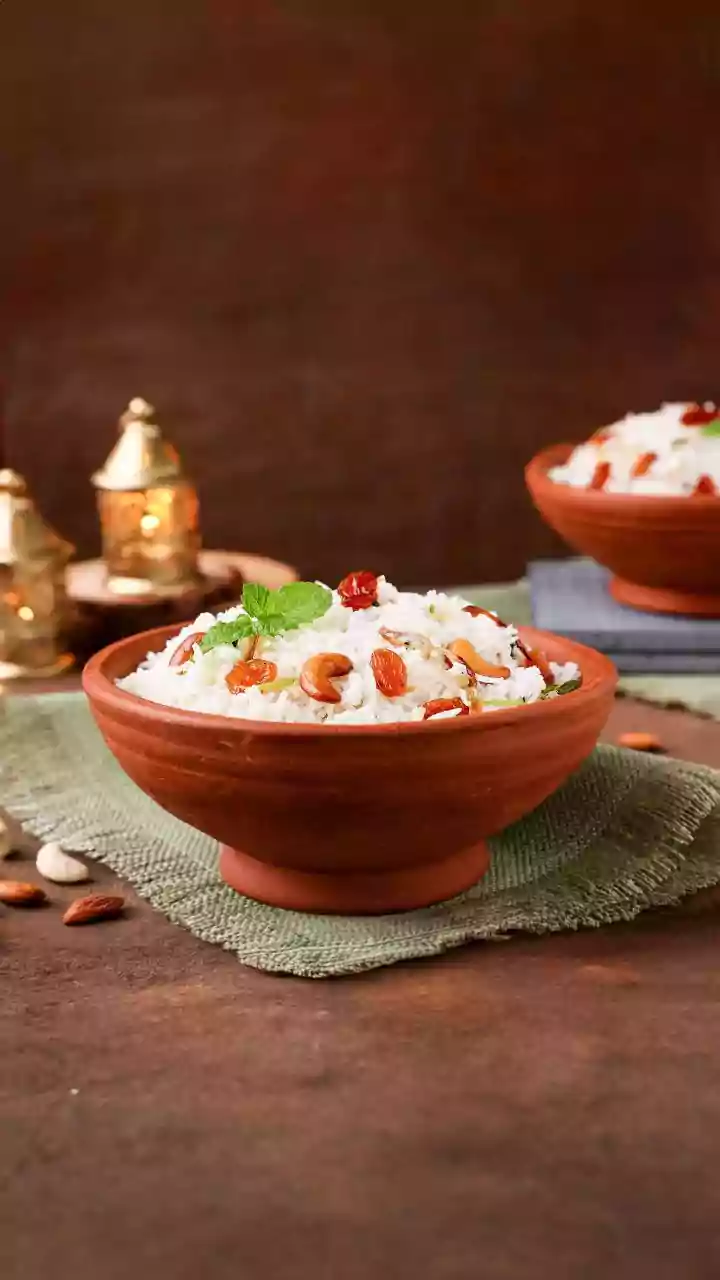
Known by many names—including Pazhaya Soru, Neeragaram, and Panta Bhaat—this dish is rooted in simplicity and sustainability. At its core, it's leftover cooked rice submerged in water and left to ferment overnight, traditionally in a clay pot. What began
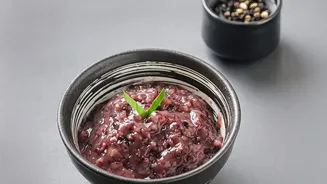
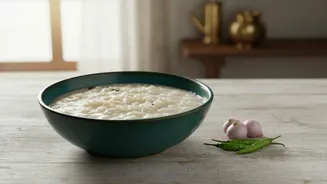
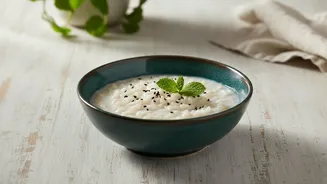
as a frugal way for farming families to prevent food waste has been a breakfast staple for generations, providing energy for long days of labor. By morning, the simple combination transforms into a slightly tangy, probiotic-rich porridge that is both nourishing and incredibly easy to digest. It's typically enjoyed mashed with a bit of salt, buttermilk or yogurt, and often served with simple accompaniments like chopped shallots or a pickle.
A Nutritional Powerhouse Is Born Overnight
The magic of Pazhanthanji lies in the overnight fermentation. This natural process unlocks a remarkable range of nutritional benefits that are now catching the eye of the modern wellness world. The fermentation fosters the growth of beneficial probiotic bacteria, like Lactobacillus, which are essential for a healthy gut microbiome, improved digestion, and a stronger immune system. It also synthesizes vitamins that are harder to come by, especially for those on plant-based diets, including vital B vitamins like B6 and B12. This process transforms a simple carbohydrate into a nutrient-dense superfood.
More Than Just Probiotics
The benefits go far beyond gut health. Scientific analysis has shown that fermentation dramatically increases the bioavailability of key minerals. One study from Stanley Medical College in Chennai found that the iron content in 100g of rice skyrocketed from 3.4mg to nearly 74mg after a 12-hour fermentation—a more than 20-fold increase. This is because fermentation breaks down phytic acid, a compound that normally inhibits mineral absorption. As a result, levels of calcium and potassium also shoot up, making the porridge an excellent source of electrolytes to aid in hydration. Its cooling properties also make it a soothing and refreshing meal, particularly after a workout or in warm weather.
Why It's the Ultimate Fitness Breakfast Swap
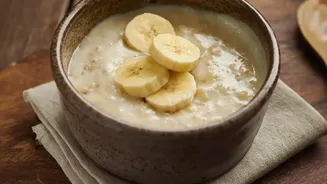
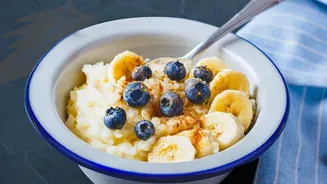
When compared to typical American breakfasts, Pazhanthanji offers a compelling set of advantages for the fitness-minded. Unlike many protein bars or sugary cereals, it provides slow-release energy without a subsequent crash, making it ideal for fueling morning workouts or for sustained focus throughout the day. While oatmeal is a classic, fermented rice offers superior gut-health benefits through its natural probiotics. It’s a whole-food alternative to a processed protein shake, providing hydration and a wealth of micronutrients that support recovery. For athletes and active individuals, the massive boost in bioavailable iron is particularly crucial for energy and preventing fatigue.
How to Easily Make It at Home
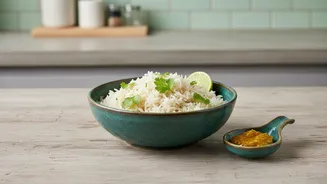
You don't need special equipment to try this ancient recipe. Simply take one cup of leftover cooked rice (plain, non-aromatic rice like Sona Masuri is often recommended) and place it in a glass or ceramic bowl—a clay pot is traditional if you have one. Cover the rice completely with about two cups of drinking water, cover the bowl, and let it sit on your counter overnight for 8 to 12 hours. In the morning, the water will be slightly cloudy. You can mash the rice lightly with a spoon or your hand, then season with salt. For a richer, creamier porridge, mix in a few tablespoons of plain yogurt or buttermilk. To make it a savory meal, add chopped shallots, green chilies, or enjoy it with a side of pickles.