


The Call of the Wild Rivers
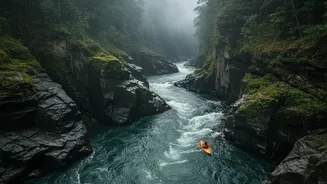
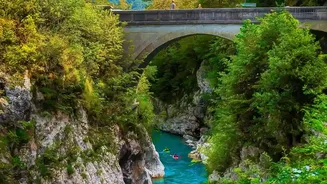
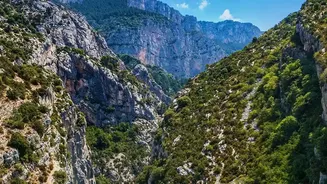
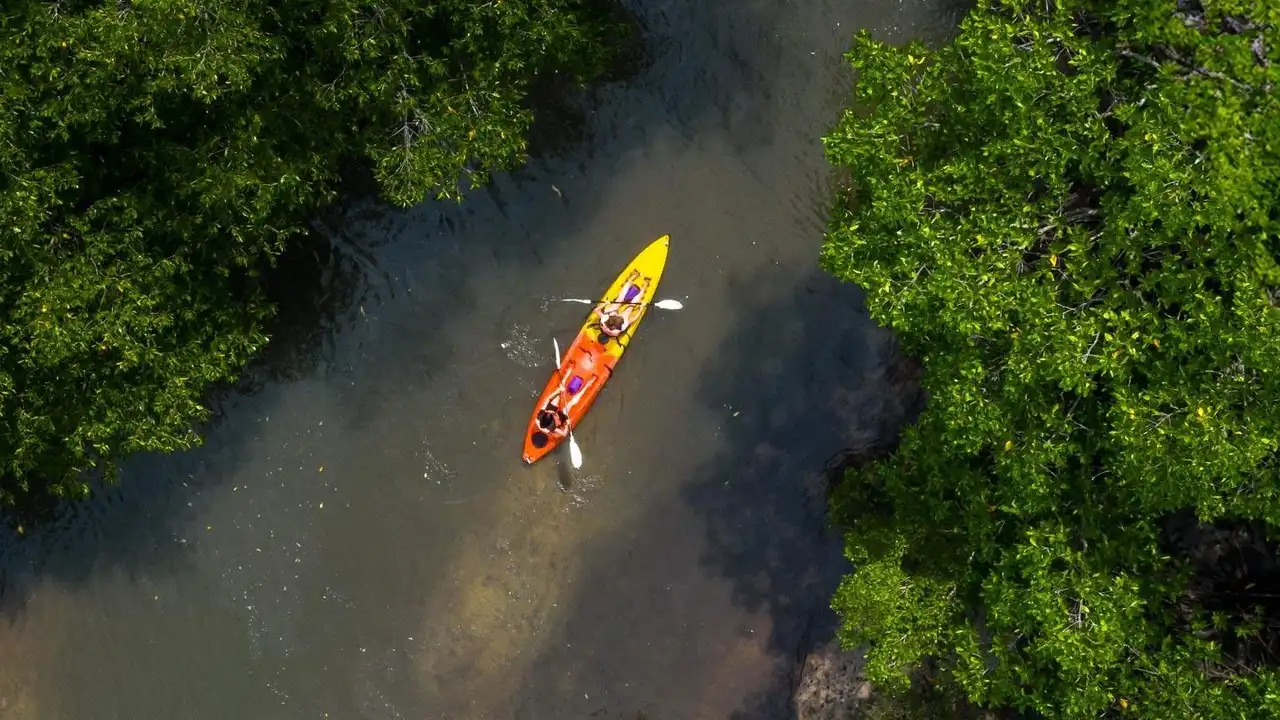
Deep within Meghalaya’s lush green hills, rivers like the Kynshi, Umngot, and Umtrew carve their way through ancient canyons, creating a world-class playground for expert whitewater kayakers. The region's geography, combined with receiving some of the highest
rainfall on the planet, results in powerful, high-volume rivers that attract paddlers seeking the ultimate challenge. Unlike the more accessible commercial rafting spots, these remote canyon systems are expeditions into the wild. The state's rivers offer a spectrum of difficulty, but the high-volume sections, particularly post-monsoon in October and November, are the main event, when the water is powerful and the weather is relatively dry.
Understanding the Beast: High-Volume Rapids
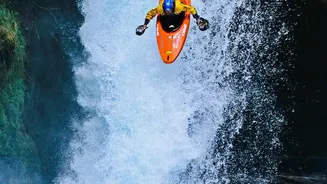
So, what does 'high-volume' truly mean for a kayaker? It’s not just fast water; it’s about immense power and complex hydraulics. These rivers are characterised by massive waves, powerful whirlpools, and 'boils' where water pushes up from below. The sheer force can be disorienting and unforgiving. The Kynshi River, in particular, is legendary among paddlers for its challenging character, featuring monstrous rapids and sections that pass through steep, vertical walls. Many of these rapids are considered Class IV and V, a designation reserved for the most difficult and dangerous whitewater, demanding expert-level skills and carrying inherent risks. Navigating these requires an ability to read the water with near-instantaneous judgment.
The Non-Negotiable Skill Set
This is not a beginner's game. Before even considering a trip to Meghalaya's wilder rivers, a kayaker must possess a robust and proven skill set. This includes extensive experience on difficult whitewater (Class IV/V), a 'bombproof' roll (the ability to right a capsized kayak in turbulent water), and advanced river-reading abilities. One must be able to identify safe lines through chaotic rapids while also spotting hazards like siphons (where water flows under rocks) and undercuts, which can be deadly traps. Because rental facilities for high-end gear are scarce, expert paddlers looking to explore these interior rapids typically bring their own specialized equipment.
Gearing Up for the Gorge
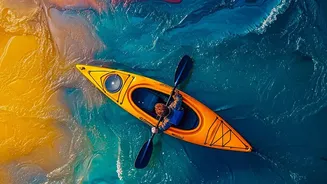
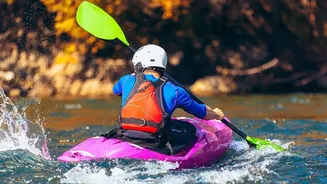
The right equipment is non-negotiable and serves as a lifeline. The kayak itself is usually a 'creek boat', designed for steep, low-volume rapids but sturdy enough to handle the power of Meghalaya's rivers. Essential personal gear includes a high-quality, well-fitted helmet and a robust personal flotation device (PFD), or life jacket. Beyond that, a safety kit is crucial: throw ropes for rescues, a river knife, a first-aid kit, and a signaling whistle are standard. Given the multi-day nature of many of these descents, kayakers also carry camping gear, extra food, and water treatment supplies, all packed in waterproof dry bags.
The Mental and Team Game
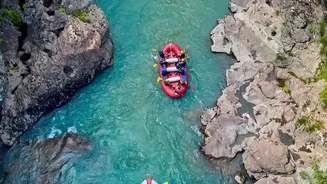
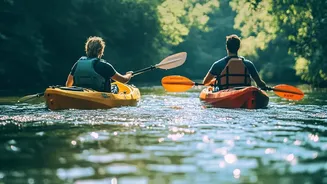
Beyond physical skill and gear, the mental game is paramount. Paddling in such an intense and remote environment requires immense focus, calmness under pressure, and the humility to know when to portage—that is, carry the kayak around a rapid that is too dangerous to run. These trips are rarely solo affairs. A strong, experienced team that communicates effectively is a critical safety component. Paddlers must trust each other's judgment and be proficient in rescue techniques, as professional help is often days away.
The Unmatched Value of Local Knowledge
Perhaps the most critical preparation is tapping into local knowledge. The weather in Meghalaya can change drastically and without warning, causing river levels to multiply in force suddenly. Local guides and experienced paddlers who know these river systems intimately are invaluable. They understand the river's behaviour, the safest entry and exit points in remote gorges, and have established relationships with local Khasi and Garo communities along the riverbanks. Acknowledging and respecting this local expertise is not just a courtesy; it's a fundamental aspect of a safe and successful expedition.