

Your Gut: A Bustling Inner World
Imagine your digestive system as a bustling city populated by trillions of microorganisms, including bacteria, viruses, and fungi. This community is known as the gut microbiome. A healthy, diverse microbiome is crucial for your overall well-being, influencing
everything from digestion and nutrient absorption to your immune system and even your mood. In fact, an estimated 70-80% of your body's immune cells reside in the gut, making it a command centre for your body's defences. When the balance of these microbes is right, your body thrives. When it's disrupted, it can weaken your immunity and leave you more susceptible to illness.
Fermentation: An Age-Old Secret
Long before refrigeration, our ancestors used fermentation to preserve food. In India, this practice became a cornerstone of the cuisine. This process involves beneficial bacteria breaking down sugars in food to create lactic acid, which acts as a natural preservative. This not only extends the life of the food but also transforms it into something more nutritious. Fermentation can make nutrients more available for your body to absorb and can even increase levels of certain vitamins. It’s a process that turns simple ingredients into functional foods that support health.
Heritage Pickles: Probiotic Powerhouses
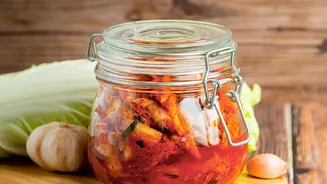
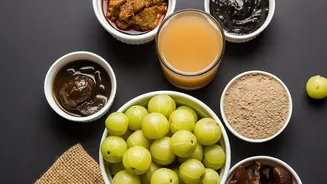
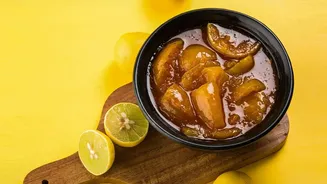
The traditional Indian pickle, or achar, when made through lacto-fermentation, is a prime example of a probiotic-rich food. Unlike many commercial pickles that use vinegar and are pasteurized—a heating process that kills all bacteria, good and bad—traditionally made pickles are alive. They are typically prepared with vegetables or fruits, salt, oil, and spices, and then left to ferment over time. This allows beneficial bacteria like Lactobacillus to flourish. These live cultures are probiotics, which help replenish and diversify the good bacteria in your gut. They support digestion, boost immunity, and can even help reduce inflammation.
Beyond the Pickle Jar
While pickles are a fantastic source of probiotics, the world of Indian fermented foods is vast and varied. South Indian staples like idli and dosa are made from a batter of rice and lentils that is fermented overnight. This pre-digests the starches, making them easier on your system and boosting their protein quality. Dahi (curd) is a daily staple in countless households, providing a reliable dose of beneficial bacteria. Other regional treasures include Kanji, a tangy North Indian drink made from fermented carrots, and Dhokla from Gujarat, a spongy snack made from fermented chickpea flour batter. Each of these foods contributes to a diet rich in microbial diversity, which is key to a resilient gut.
Making Smart, Gut-Friendly Choices
To reap the gut-health benefits, it's important to choose the right kind of fermented foods. When buying pickles, look for those that are traditionally made, unpasteurized, and don't rely on vinegar for preservation. Often, homemade or small-batch pickles are your best bet, as they are more likely to contain live cultures. The goal is to consume foods where the beneficial microbes are still active. Incorporating a variety of these foods into your diet is more beneficial than sticking to just one, as each provides different strains of good bacteria. A small serving of pickle with your meal, a bowl of dahi, or a breakfast of idli can all contribute to a healthier gut.