





Beyond the Golden Triangle
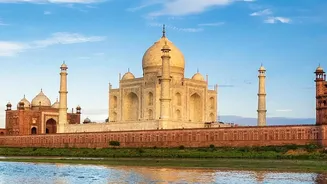
For decades, Indian tourism for many was defined by a handful of iconic circuits. However, a significant transformation is underway. Today’s travellers, particularly younger generations like millennials and Gen Z, are looking for more than just a photo
opportunity. They are seeking meaningful and immersive cultural journeys. This has sparked a move away from saturated hotspots towards exploring India’s vast and varied tapestry of lesser-known destinations. A recent report highlighted that 93% of Indian travellers are now keen on exploring these cultural hubs to experience authentic traditions. This shift is not just about avoiding crowds; it’s a conscious choice to engage with the country on a deeper, more personal level.
A Push for Authentic Exploration
Government initiatives are playing a crucial role in catalyzing this change. The Ministry of Tourism's 'Dekho Apna Desh' campaign, launched in 2020, actively encourages Indians to explore their own country, with a special focus on promoting emerging destinations. An updated version of the campaign, Dekho Apna Desh 2.0, aims to make these lesser-known places into marketable tourism products through partnerships between the government and the travel industry. This is complemented by the Swadesh Darshan scheme, which was revamped to develop sustainable and responsible tourism destinations with a destination-centric approach. The motto is 'vocal for local', aligning tourism with the goal of a self-reliant India by creating jobs and boosting local economies.
Communities at the Heart of the Experience
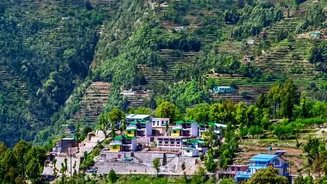
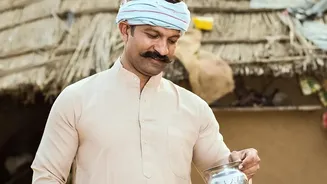
The most powerful aspect of this new wave is the focus on community-based tourism. This model puts local populations at the centre of the visitor experience, ensuring they become direct beneficiaries of tourism revenue. The rise of homestays is a prime example of this trend in action. Once confined to remote rural areas, homestays are now a popular choice across states like Kerala, Rajasthan, Uttarakhand, and Sikkim. These accommodations offer travellers an unfiltered glimpse into local life, from savouring home-cooked meals to participating in daily traditions. This approach not only provides an authentic experience for the tourist but also creates sustainable livelihoods, reduces outmigration from villages, and helps preserve unique cultural practices.
Spotlight on Emerging Destinations
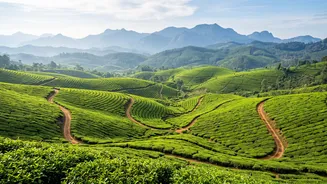
So, where are travellers headed? Instead of just the usual suspects, destinations like Khonoma in Nagaland, celebrated as India’s first green village for its conservation efforts, are gaining prominence. Mawlynnong in Meghalaya, known as Asia's cleanest village, is a model for community-driven eco-tourism. In Gujarat, villages like Hodka and Dhordo in the Rann of Kutch offer deep dives into Kutchi culture. Further south, the Responsible Tourism Mission in Kerala has successfully integrated local communities into the tourism value chain, particularly in areas like Kumarakom, creating a model for others to follow. These places offer more than just scenic beauty; they provide a chance to connect with the environment and local culture responsibly.
The Future of Indian Travel
This evolution marks a more sustainable and equitable path for Indian tourism. By distributing visitor traffic beyond a few overburdened hotspots, the industry can reduce environmental strain and promote balanced regional development. For travellers, it unlocks a richer, more diverse India, filled with undiscovered stories and genuine connections. It transforms tourism from a passive act of seeing into an active process of learning and participation. The focus is no longer just on where you go, but on how you travel and the impact you leave behind. This shift ensures that the benefits of a thriving tourism sector are shared more widely, strengthening local economies and preserving the very culture and heritage that makes India a compelling destination.