



A New Generation Boards the Train
Not long ago, the goal of a holiday was to get to the destination as quickly as possible. For young Indians, that usually meant a flight. But a shift is underway. The perception of train travel is evolving from a purely functional mode of transport to an integral
part of the vacation experience. This change is driven by a desire for more authentic and mindful journeys. Instead of a rushed airport security line, travellers are opting for the gentle sway of a carriage, the changing landscapes outside the window, and the unhurried conversations that train journeys naturally foster. It's less about the destination and more about the entire narrative of the trip, where the journey itself is a key chapter.
The Undeniable Economic Advantage
For a generation navigating careers and budgets, cost is a major factor. Train travel is significantly more affordable than flying in India. A third AC (3AC) ticket for a popular route can be a fraction of the cost of an economy flight, even before considering extra charges for baggage and expensive airport transfers. While last-minute flights can be prohibitively expensive, train fares remain relatively stable. This economic sense makes a huge difference, allowing young travellers to take more frequent, shorter trips or allocate more of their budget to experiences and accommodation at their destination. The Vande Bharat Express, for instance, has even driven down airfares on competitive routes by 20-30%.
Upgraded Comfort and Connectivity
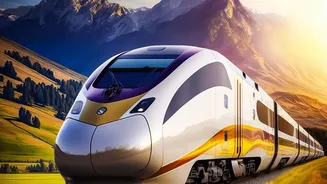
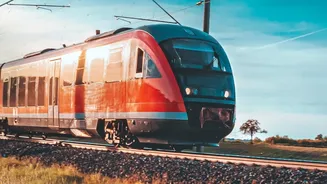
The Indian Railways of today is not the same as the one many grew up with. A significant push towards modernization has introduced cleaner, more comfortable, and technologically advanced trains. The introduction of semi-high-speed trains like the Vande Bharat Express has been a game-changer, appealing directly to a youth demographic that values efficiency and modern amenities. Data shows that a significant percentage of Vande Bharat passengers are in the 25-49 age bracket, drawn by the speed, comfort, and enhanced travel experience. These trains offer a travel time that is often competitive with road journeys and provide a more relaxing alternative to driving.
The Growing Appeal of Slow Travel
In a hyper-connected, fast-paced world, the idea of 'slow travel' is gaining significant traction in India. This philosophy encourages travellers to connect more deeply with a place, its culture, and its people, rather than rushing through a checklist of sights. Train journeys are the perfect embodiment of this mindset. They allow for a gradual immersion into the country's diverse landscapes, offering a front-row seat to the changing scenery. This unhurried pace provides time for reflection, reading, and simply being present—a luxury that air travel rarely affords. For many young people reporting burnout from their fast-paced lives, the meditative rhythm of a train journey has become a form of digital detox and a way to travel more meaningfully.
A Conscious Step Towards Sustainability
Environmental consciousness is increasingly influencing the choices of younger consumers, and travel is no exception. Rail travel generally has a much lower carbon footprint per passenger than flying. Indian Railways is making significant strides towards sustainability, with an ambitious goal to become a Net Zero Carbon Emitter by 2030 through widespread electrification of its network. By electrifying routes and implementing green initiatives like bio-toilets and LED lighting, railways are becoming a more eco-friendly option. For a young traveller looking to minimize their environmental impact, choosing a train over a plane is a conscious and responsible decision.