


The Science of Food Safety
The most compelling reason to portion out leftovers before reheating is food safety. Each time you cool and heat food, it passes through the 'temperature danger zone'—between 40°F and 140°F (about 4°C to 60°C)—where bacteria can multiply rapidly. According
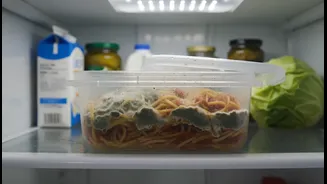
to the USDA, bacteria can double in number in as little as 20 minutes within this range. While one proper reheating cycle to an internal temperature of 165°F (74°C) is effective at killing harmful bacteria, repeatedly cooling and heating the entire batch creates multiple opportunities for bacterial growth. Some bacteria can even produce heat-resistant toxins that won't be destroyed by subsequent reheating, increasing the risk of foodborne illness. By only heating what you'll consume, you keep the remaining portion safely chilled and minimise its time spent in the danger zone.
Preserve Flavour and Texture
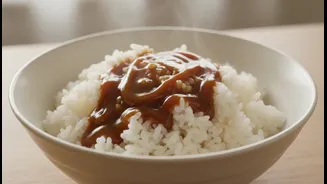
Beyond safety, there’s the simple matter of taste. Repeated reheating is the enemy of good food texture. Microwaving, in particular, can be harsh, leading to uneven heating with hot spots and cold centers. This process can make proteins in foods like chicken and eggs tough and rubbery, turn pasta and rice into a mushy mess, and cause crispy coatings on fried items to become permanently soggy. Moisture loss is another major culprit; reheating drives moisture out of food, leaving it dry and unappetizing. While some dishes like stews and curries can taste better the next day as flavours meld, this benefit is lost when the dish is repeatedly zapped, which degrades its structure. Portioning allows for a single, careful reheat that better preserves the meal's original quality.
Maximise Nutritional Value
While reheating food doesn’t make it inherently unhealthy, the process can diminish its nutritional content. Certain vitamins are sensitive to heat, particularly water-soluble vitamins like Vitamin C and some B vitamins. Each time food is exposed to heat, more of these delicate nutrients can break down and degrade. While a single reheat won't strip a meal of all its goodness, multiple cycles will lead to a greater loss of these essential nutrients. By heating only the portion you need, you ensure that the rest of your leftovers retain as much of their original nutritional value as possible for the next meal.
Smart Storage, Less Waste
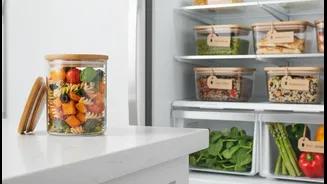
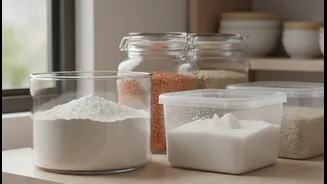
Adopting this habit is also an exercise in smart resource management. When you reheat an entire dish multiple times, its quality degrades so much that you might end up throwing the rest away. This contributes to food waste and, by extension, wastes the money you spent on it. A better approach is to store leftovers in smaller, single-serving containers right after cooking. Once the food has cooled slightly, portion it into airtight containers. This not only makes grabbing a quick meal easier but also protects your food and makes it last longer. For longer-term storage, these portions can be easily frozen. When you're ready to eat, simply thaw one portion in the refrigerator and reheat it.
Best Practices for Reheating
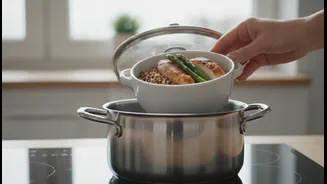
To get the best results, follow a few simple guidelines. Whether you use a microwave, oven, or stovetop, the goal is to heat the food thoroughly and evenly to an internal temperature of 165°F (74°C). If using a microwave, cover the food to retain moisture and stir it partway through to eliminate cold spots. For soups, sauces, and stews, the stovetop is often best, allowing you to bring them to a gentle boil. For items that should be crispy, like pizza or roasted vegetables, a few minutes in an oven or air fryer will yield far better results than a microwave. Always use a food thermometer if you're unsure. Taking these small steps ensures your meal is not only safe but also enjoyable to the last bite.