






When Your Network Fails You
We rely on our phones for everything, especially for navigation. But during the monsoon season, even the most reliable mobile network can become unpredictable. Heavy downpours and remote locations can lead to weak or non-existent signals, rendering your
online maps and ride-hailing apps useless just when you need them most. In hilly areas, the risk of landslides can disrupt not just roads but also communication lines. Suddenly, you can find yourself lost in an unfamiliar place with no way to find your route or call for help. This is why assuming you'll have a steady internet connection is a gamble you shouldn't take.
The Power of Offline Maps
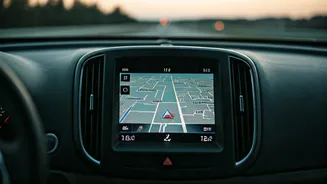
This is where offline maps become a traveller's best friend. Before you even leave home, you can download detailed maps of your entire destination onto your phone. Google Maps makes this incredibly simple: search for your city or region, tap on its name, and select the 'Download offline map' option. You can adjust the map area to ensure it covers your entire itinerary. Once downloaded, your phone can use its GPS to pinpoint your location on the map and provide driving directions without needing any internet connection. This not only saves you from getting lost but also saves on mobile data and battery life. For those looking for alternatives, apps like Mappls (formerly MapmyIndia) offer detailed local maps, while privacy-focused options like OsmAnd and Organic Maps are excellent for hikers and explorers.
Beyond Navigation: Your Digital Go-Bag
Your offline preparation shouldn't stop at maps. Think of it as creating a digital 'go-bag' with all your essential travel information. Before your trip, take screenshots or download PDF versions of your flight tickets, train bookings, hotel confirmations, and any entry permits. Store these files in a folder on your phone for easy access. It’s also wise to have a digital copy of your ID, passport, and visa. Backing up these crucial documents to a cloud service like Google Drive or Dropbox provides an extra layer of security, ensuring you can access them from any device if your phone is lost or damaged. This simple habit can prevent a minor inconvenience from turning into a major travel disaster.
The Art of the Backup Plan
Rainy weather is notorious for causing disruptions. Transport can be delayed or cancelled, and roads, particularly in mountainous regions, can become blocked due to landslides or flooding. This makes having a backup plan not just a suggestion, but a necessity. When planning your itinerary, build in 'buffer days'—extra days with no fixed plans that can absorb unexpected delays without forcing you to cancel other activities. Research alternative travel options between your destinations. If your train is cancelled, is there a reliable bus service? If a road is known to flood, is there a different route? Booking accommodations that are refundable or have flexible cancellation policies also gives you the freedom to adapt your plans on the fly. A little flexibility can be the difference between a ruined holiday and a memorable adventure.
Pack Smart for Wet Conditions
Your preparation extends to your packing list. To power the phone that holds your offline maps, a reliable power bank is non-negotiable. Protect your electronics by investing in waterproof bags or zip-top pouches for your phone, camera, and chargers. When it comes to clothing, opt for synthetic, quick-drying fabrics instead of cotton or denim, which stay damp for a long time. A sturdy raincoat and waterproof footwear with good grip are essential to stay comfortable and safe while exploring. Finally, a basic first-aid kit with medicines for common ailments is always a good idea, as is carrying a powerful mosquito repellent, since the rainy season often sees an increase in insects.