

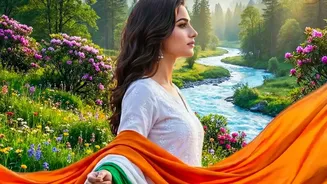

From Tourist to Traveller
The profile of the Indian traveller is changing. The post-pandemic world has accelerated a shift in mindset, moving away from bucket-list-driven sightseeing towards something more profound. There is a growing fatigue with over-tourism and a rising desire
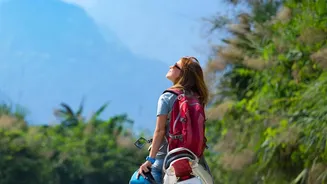
for authentic connections. This new wave of travellers, often led by millennials and Gen Z, is less interested in just seeing a place and more focused on experiencing it. According to a 2026 travel outlook report, relaxation is a primary motivation for the majority of Indian travellers, who are seeking escapes from hectic urban life. This has given rise to concepts like 'slow travel' and 'tiny tourism', where the goal is not to see everything, but to deeply engage with one place, its culture, and its people.
The Allure of the Unseen
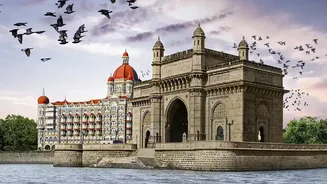
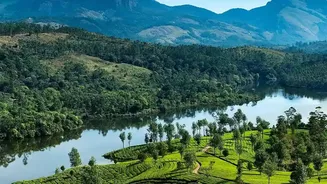
The new travel map of India is being redrawn to include destinations that were once mere footnotes in guidebooks. Tier-II and Tier-III cities like Nashik, Bhubaneswar, and Maheshwar are gaining popularity. These places offer a compelling blend of culture, history, and nature without the overwhelming crowds of the Golden Triangle. The appeal lies in their authenticity and affordability. Travellers are discovering that a serene vineyard tour in Nashik or exploring the handloom traditions of Maheshwar provides a richer, more personal experience. Similarly, homestays are booming, particularly in remote locations where traditional hotels are scarce, allowing tourism benefits to flow directly into local communities. This pivot is supported by data, with reports showing a significant preference for lesser-known destinations over mainstream spots.
What 'Local Experiences' Really Mean
The term 'local experience' has become a travel buzzword, but what does it entail? It's about moving beyond the surface. Instead of just dining at a popular restaurant, it means visiting a local market with your homestay host and learning to cook a regional dish together. It involves participating in a pottery workshop with a local artisan, attending a village festival, or taking a nature walk guided by community members who know the land intimately. These immersive activities foster genuine connections and create lasting memories. Homestays are central to this trend, offering a window into the local way of life and preserving cultural heritage, from Kathakali performances in Kerala to monastic traditions in Spiti.
The Digital Enablers
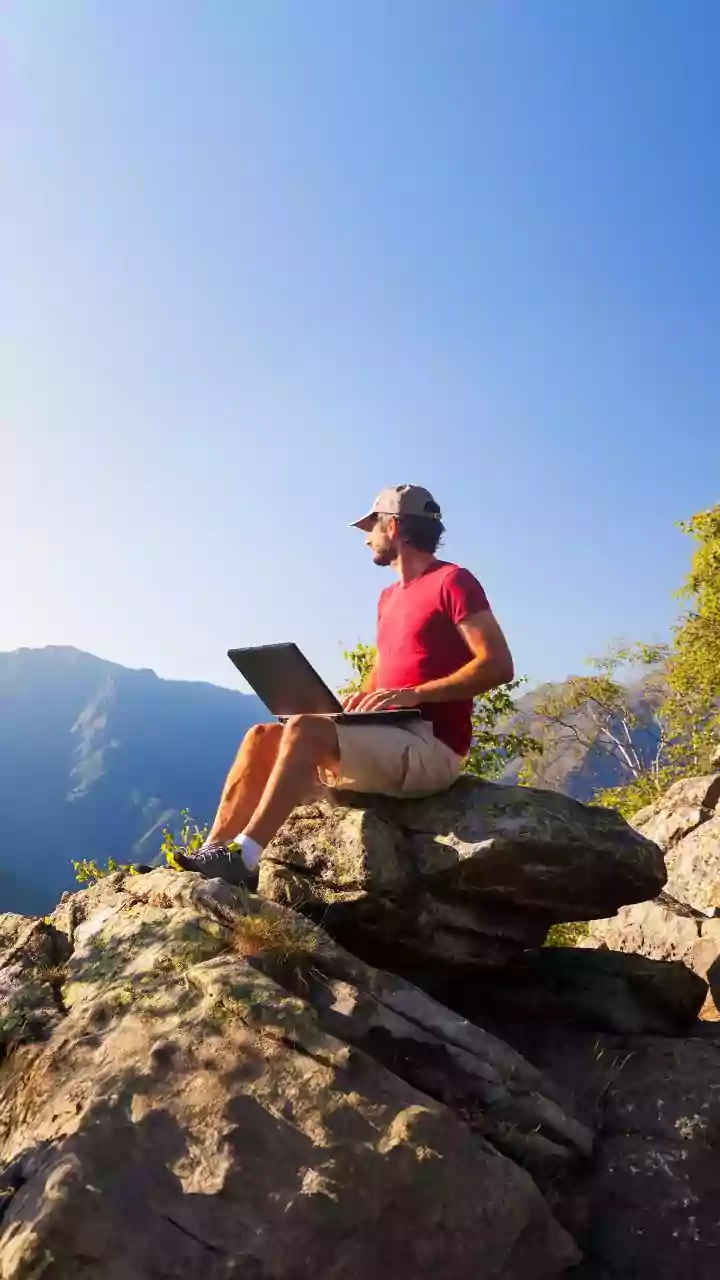
This shift is heavily supported by technology. Improved internet connectivity, even in remote areas, has been a game-changer. The rise of 'workations' and a growing digital nomad culture in India means professionals can blend work and travel, spending longer periods in scenic, quieter locations. Digital travel platforms are making it easier than ever to discover and book homestays and boutique properties in these offbeat places. Social media also plays a role, as travellers share their unique finds, inspiring others to look beyond the obvious destinations. This digital ecosystem empowers local entrepreneurs to market their unique offerings to a national, and even global, audience.
The Road Ahead
This evolving landscape presents both opportunities and challenges. The growth of tourism in smaller towns can bring significant economic benefits, creating livelihoods and encouraging sustainable development. However, there is also the risk of these hidden gems becoming victims of their own success, facing strained infrastructure and the erosion of the very authenticity that made them attractive. The key will be mindful development. Government initiatives focused on thematic tourist circuits and improving infrastructure to rural areas are positive steps. For this wave to be truly sustainable, it requires a conscious effort from travellers, hosts, and policymakers to prioritize community well-being and preserve local culture and environments.