



A Historic Return
For over a century, the majestic Asiatic lion has been almost exclusively associated with the Gir National Park in Gujarat. But in a significant development for wildlife conservation in India, the nearby Barda Wildlife Sanctuary is emerging as a crucial
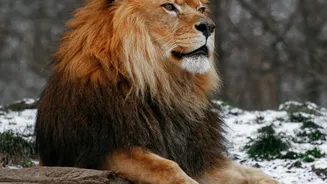
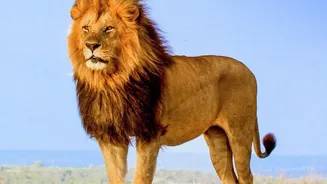
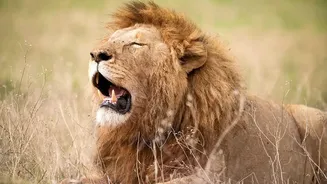
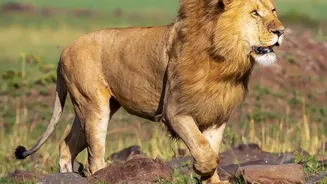
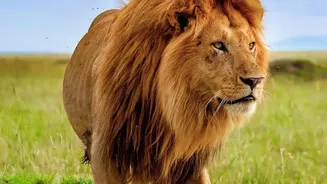
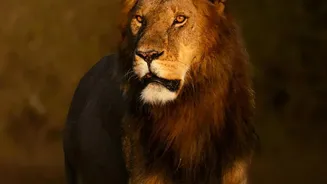
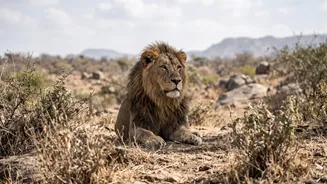
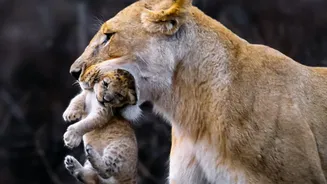
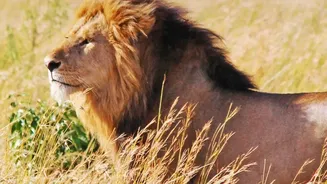
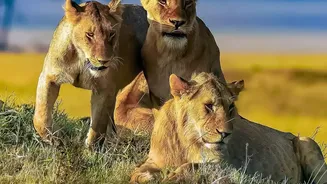
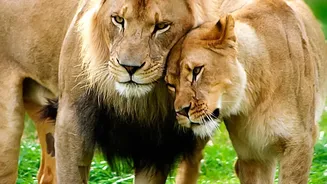
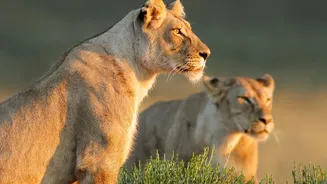
second stronghold. Lions, which had not inhabited this area since 1879, have made a remarkable comeback. The journey began in January 2023 with the natural dispersal of a single male lion into the sanctuary. This pioneering move was followed by the strategic introduction of five females by the Gujarat Forest Department. As of October 2026, the sanctuary is now home to a growing population of 17 lions, including several cubs, signalling that the habitat is suitable for breeding and long-term settlement.
Why a Second Home is Critical
The establishment of a new, separate lion population is more than just a welcome development; it's a vital conservation strategy. Concentrating the entire global population of wild Asiatic lions in a single location like Gir makes them dangerously vulnerable. A single disease outbreak, such as the canine distemper virus that has affected the population in the past, or a natural disaster could have devastating consequences for the species' survival. For decades, wildlife experts have advocated for creating a geographically separate second home to mitigate these risks. Barda Wildlife Sanctuary, located about 100 kilometres from Gir, provides this essential buffer, ensuring that the lions' fate is not tied to a single, isolated habitat.
What Makes Barda Ready?
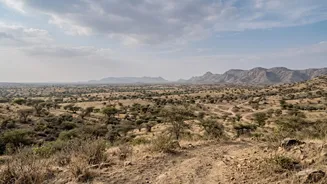
The declaration that Barda can support a long-term lion population is based on extensive scientific research. A recent study published in the journal 'PLOS One', titled ‘Beyond Gir: Barda Wildlife Sanctuary as a Potential Stronghold for Asiatic Lions’, provides the evidence. Researchers tracked six radio-collared lions between January 2023 and July 2025, recording over 169,000 GPS locations to analyze their movements, habitat use, and social structures. The study confirmed that Barda's 192.31 sq km expanse of forests and grasslands offers suitable ecological conditions. Crucially, significant efforts have been made to enhance the prey base. Since 2007, and with renewed focus in recent years, hundreds of spotted deer (chital) and sambar have been translocated to Barda to ensure a stable food source for the growing lion population. Dietary analysis shows lions are primarily feeding on wild prey like wild pigs, reducing potential conflict with humans over livestock.
The Journey Ahead Under Project Lion
The establishment of this new population is a key part of the central government's 'Project Lion', which envisions the translocation of up to 40 lions to Barda to create a genetically diverse and self-sustaining group. The sanctuary is officially designated as a satellite population site under this national conservation program. While the initial return began with natural dispersal, the planned, phased introduction of more lions will be critical to the project's long-term success. The Gujarat Forest Department has already deployed a team of full-time trackers to monitor the lions' health and movements, ensuring their safety and helping to manage interactions with the surrounding human landscape. The focus is now on proactive management, including habitat restoration, continued prey augmentation, and mitigating any potential human-lion conflict.
Conservation and Community
The success of Barda as a second home for lions also hinges on the involvement of local communities. The area is home to ethnic groups like the Maldharis, Rabaris, and Gadhvis, who have coexisted with wildlife for generations. Recognizing this, conservation efforts have been paired with community benefits. Ecotourism initiatives launched in 2024 allow local residents to work as nature guides and safari operators, giving them a direct stake in the sanctuary's success. This approach not only provides livelihoods but also fosters a sense of stewardship. As the lion population grows, this partnership between the forest department and local communities will be essential for ensuring a future where both people and wildlife can thrive in the Barda landscape.