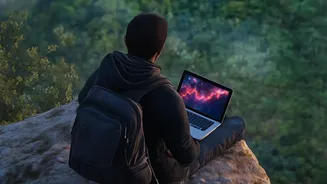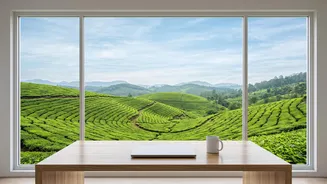







The Dawn of the Laptop Lifestyle
Not long ago, work was a place you went to. Now, for a growing number of Indian professionals, it’s something you do. The pandemic-induced shift to remote work acted as a catalyst, but the trend has been sustained by a deeper desire for work-life balance
and an escape from urban burnout. Companies, particularly in the tech and creative sectors, are increasingly offering hybrid or fully remote roles, giving employees unprecedented freedom. As of 2026, many Indian companies have embraced a hybrid model, recognizing that flexibility is key to employee satisfaction. This newfound independence allows professionals to trade crowded city life for slower, more scenic surroundings without sacrificing their careers.
From Himalayan Retreats to Coastal Hubs
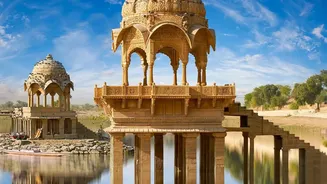
The map of India's top workation spots is a testament to its diversity. The Himalayan states of Himachal Pradesh and Uttarakhand are major draws, with destinations like Manali, Dharamshala, and Rishikesh offering cool climates and serene landscapes. These mountain towns are dotted with cafes and homestays equipped with reliable Wi-Fi, catering to a growing community of digital nomads. Down south, Goa remains a perennial favorite, but it's no longer just a party hub. Its laid-back beach shacks and burgeoning co-working spaces in places like Anjuna and Morjim now attract a professional crowd. Other coastal towns like Varkala in Kerala and Gokarna in Karnataka are also gaining popularity for their blend of connectivity and tranquility. Even historical cities like Udaipur and Jaipur are becoming workation hotspots, offering a unique mix of culture and productivity.
More Than Just a Vacation
A workation is not simply a holiday where you check a few emails. It involves longer stays, often weeks or even months, where the goal is to maintain full productivity while enjoying a new environment. This has given rise to a new hospitality ecosystem. Hostels, homestays, and even luxury resorts are now offering workation packages that include high-speed internet, comfortable workspaces, and community events. The key difference is the routine: work during the day, explore in the evenings and on weekends. This blend of leisure and productivity, often called 'bleisure', is booming, with Indian professionals taking more such trips than the global average. The focus is on a sustainable pace that allows for both professional commitments and personal rejuvenation.
The Economic and Social Ripple Effect
This trend is breathing new life into local economies. Destinations once reliant on seasonal tourism are now seeing year-round visitors, smoothing out the traditional boom-and-bust cycles. This influx helps support local businesses, from small cafes to homestay owners and tour operators. The rise of domestic tourism, powered in part by workations, has been crucial for the travel industry's post-pandemic recovery. However, the trend is not without challenges. The increased demand can strain local infrastructure, from housing to internet bandwidth, and there's a risk of rising living costs for residents. Balancing the economic benefits with long-term sustainability is the next critical step for these evolving destinations.
The Future of Work is Flexible
While the allure of a workation is strong, it comes with its own set of challenges. Maintaining productivity requires self-discipline, and issues like loneliness and the blurring of work-life boundaries are real concerns. For companies, managing a distributed workforce, ensuring data security, and navigating compliance risks are new frontiers. Despite these hurdles, the consensus is that flexible work is here to stay. Hybrid models, where employees split time between the office and a remote location, are becoming the norm for a majority of Indian organizations. This suggests that the workation is not a fleeting trend but a permanent feature of modern professional life in India, fundamentally reshaping our relationship with the office and the world outside it.