






The Silent Threat of Weightlessness
On Earth, our bodies are in a constant tug-of-war with gravity. This struggle keeps our bones dense, our muscles strong, and our cardiovascular system toned. In space, however, astronauts experience microgravity, a state of near-weightlessness where they
are in a continuous state of free-fall around the Earth. While floating seems fun, the long-term absence of gravitational force triggers a cascade of physiological changes, many of them harmful. It’s a bit like being on permanent bed rest; without the need to fight gravity, the body starts to decondition.
How Space Changes the Human Body
One of the most significant effects of long-term microgravity is on the musculoskeletal system. Astronauts can lose bone density at a rate of 1% to 1.5% per month, a condition similar to osteoporosis. Muscle atrophy is another major concern, with astronauts potentially losing up to 20% of their muscle mass in under two weeks without rigorous exercise. The cardiovascular system also adapts. The heart doesn't have to pump as hard against gravity, leading to a decrease in heart muscle mass and blood volume. This can cause problems like orthostatic intolerance—dizziness or fainting—upon returning to a gravity field. Furthermore, astronauts experience fluid shifts toward their heads, causing a puffy-faced appearance and other issues, as well as vision problems known as Spaceflight Associated Neuro-ocular Syndrome (SANS).
An Orbiting Testbed for Humanity
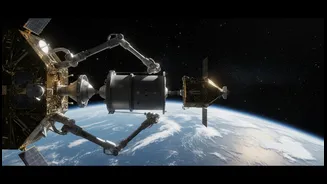
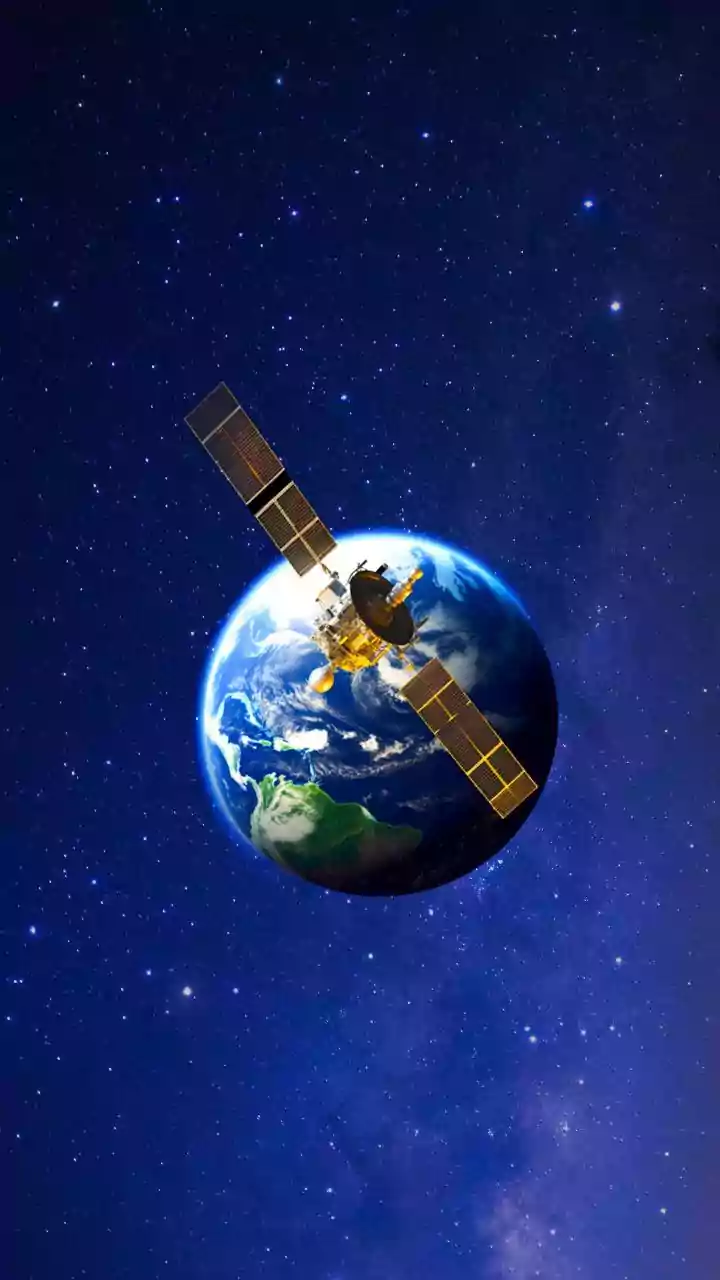
This is where the International Space Station (ISS) becomes indispensable. Orbiting 400 kilometres above Earth, the ISS is a one-of-a-kind laboratory dedicated to understanding the long-term effects of living in space. By studying the handful of astronauts who live and work there for months at a time, scientists can gather crucial data on how the human body adapts. The ISS provides a controlled environment to test not just the problems, but also the solutions needed for future deep-space missions. It's our primary platform for de-risking the journey to Mars.
Developing Cosmic Countermeasures
Studying the problem is only half the battle; finding solutions is the real goal. NASA and other space agencies have developed a range of countermeasures to mitigate the negative effects of microgravity. Astronauts on the ISS spend about two hours a day exercising using specially designed equipment. Machines like the Advanced Resistive Exercise Device (ARED) and the T2 Treadmill simulate weight-bearing exercise to maintain bone and muscle mass. Researchers are also investigating nutritional strategies, pharmacologic interventions, and even the potential of artificial gravity generated by centrifuges to keep astronauts healthy on voyages that could last for years.
Unexpected Benefits Back on Earth
The research doesn't just benefit future space travellers. Studying accelerated bone loss in astronauts provides invaluable insights for treating osteoporosis on Earth. Research into muscle atrophy helps with rehabilitation programs for the bedridden or elderly. Beyond medicine, studying fluid physics in microgravity has led to innovations in everything from medical devices to more efficient product designs for things like toothpaste. Even water purification systems designed for the ISS are now being used to provide clean drinking water in remote areas on our own planet.