




The Constant Grind on Solar Panels
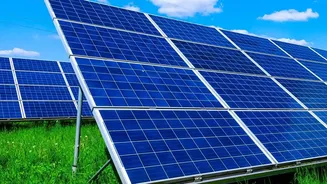
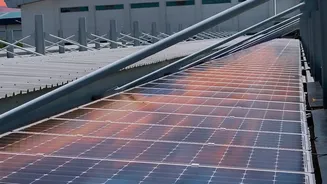
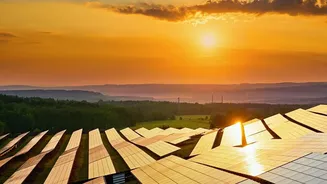
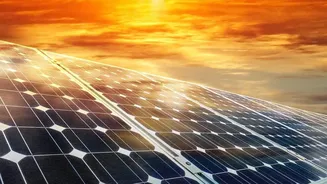
Solar panels are built to be tough, but their workplace is one of the harshest imaginable. Every single day, they are bombarded by high-energy ultraviolet (UV) radiation from the sun. This constant exposure, combined with physical stressors like wind,
rain, dust, and extreme temperature fluctuations, takes a toll. Over time, this daily wear and tear can cause micro-fractures and degradation of the panel's surface materials. The result is a gradual but significant drop in efficiency. A panel that is less efficient converts less sunlight into electricity, reducing its power output and ultimately impacting the return on investment for solar energy projects. Protecting these surfaces is crucial for ensuring the long-term viability and performance of solar installations worldwide.
Nature’s Ultimate Sunscreen
Look no further than your own skin for one of nature's most elegant solutions to UV radiation. Melanin is the pigment responsible for the color of our skin, hair, and eyes. Its primary job is to provide protection. When exposed to sunlight, our skin produces more melanin—the process we call tanning—to shield our cells from harmful UV rays. Melanin is incredibly effective at absorbing a broad spectrum of light and converting that energy into harmless heat. This prevents the radiation from damaging the DNA within our cells. Scientists have long been fascinated by these properties, viewing melanin as a masterclass in photoprotection. It’s biocompatible, adaptable, and incredibly efficient at what it does.
From Skin to Silicon: A Biomimetic Leap
The core idea is to apply nature's proven strategy to technology. Researchers are developing synthetic, melanin-like materials that can be applied as a thin, protective film to surfaces like solar panels. This field, known as biomimicry, involves creating materials that replicate the functions of biological substances. The process often starts by creating a synthetic version of melanin, such as polydopamine, in a lab. This material can be designed to adhere easily to various surfaces, forming a durable coating. Some studies have explored dissolving melanin powder and applying it using simple techniques like drop-casting to form a protective layer on silicon. The goal is to create a shield that possesses melanin's exceptional ability to absorb UV radiation and dissipate energy, thereby protecting the delicate photovoltaic cells underneath.
The Protective Power of a Melanin Shield
The benefits of a melanin-based coating for solar panels are manifold. Primarily, it acts as a powerful UV blocker, preventing the radiation-induced degradation that plagues panels over their lifespan. By converting harmful UV rays into heat, the coating can preserve the panel's structural integrity and maintain its energy conversion efficiency for longer. In some studies, melanin-like additions have improved the efficiency of organic solar cells. Furthermore, because melanin is a natural, organic compound, these coatings are often biodegradable, offering a more sustainable alternative to petroleum-based protective polymers. Some research even suggests that synthetic melanin can have self-healing properties, scavenging the free radicals that are generated by sun damage and helping to repair injuries on a molecular level.
The Road Ahead for Melanin Tech
While the concept is promising, synthetic melanin coatings are still largely in the research and development phase. Scientists are working to perfect the methods for producing these materials at scale and ensuring they can be applied in a cost-effective manner. One of the key challenges is fine-tuning the synthetic melanin's properties to maximize its protective capabilities while ensuring it doesn't interfere with the panel's ability to absorb the visible light needed for power generation. Researchers are experimenting with different chemical formulations and application techniques to strike this perfect balance. Studies have shown that exposing synthetic melanin to UV light can actually enhance its protective properties, which is a promising sign for its real-world application. As this technology matures, it could become a standard feature in the next generation of durable, high-efficiency solar panels.