



The Opposite of Instant Gratification
We live in an age of the quick win. The viral post, the hot take, the meal that arrives in 30 minutes. A ‘flex’ is typically something you can show off instantly. But a new kind of status symbol is emerging on balconies and terraces across India, one
that cannot be rushed. The ‘slow flex’ is a deep, quiet satisfaction earned through patience and dedication. Urban fruit gardening is its perfect embodiment. You can’t rush a lemon tree. You can’t binge-watch a guava sapling into maturity. This is a journey measured in seasons, not seconds. It’s a quiet rebellion against the digital noise, a tangible connection to the real world that requires commitment long after the initial enthusiasm fades.
The Real Prize Is the Process
Anyone can buy a mango, but growing one on your own terrace is a different story. The true reward of urban fruit gardening isn't just the final harvest; it's the entire process. It’s the daily ritual of checking the soil, the quiet thrill of seeing the first new leaf, the anxiety over a pest, and the triumph of the first flower. This journey fosters a unique psychological resilience. Studies have shown that gardening teaches patience and helps develop a 'growth mindset', the understanding that dedication leads to improvement. It reduces stress and anxiety by anchoring you in the present moment, a form of active meditation. Each small step is a victory, a testament to your care in a concrete world that often feels disconnected from nature.
Your Own Edible Oasis
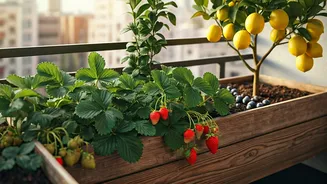
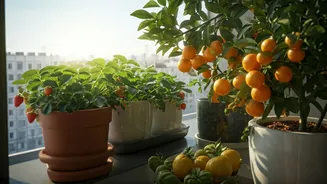
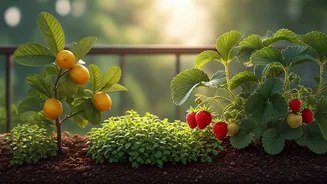
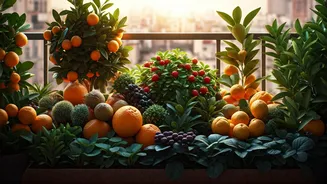
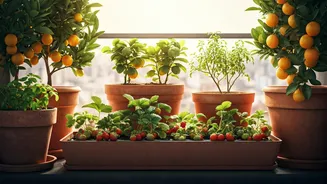
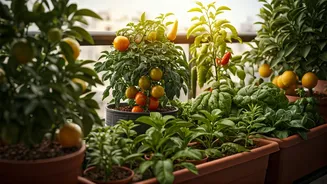
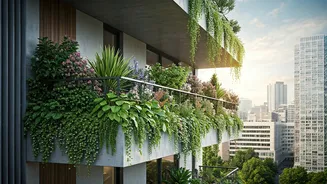
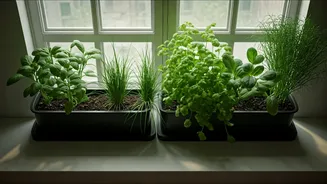
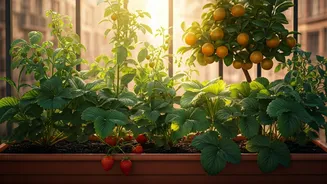
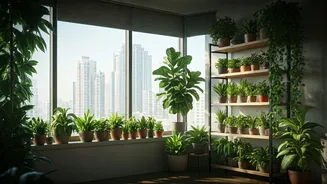
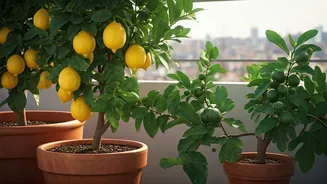
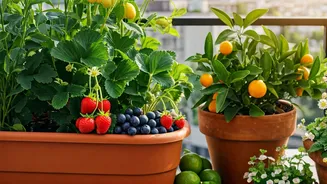
Creating a green corner in a dense city is a powerful act. Balconies and rooftops are being transformed into productive green spaces, improving air quality and providing a habitat for urban wildlife like bees and birds. For Indian city dwellers, this trend is both practical and cultural. Growing your own food, even on a small scale, offers a connection to culinary traditions. It’s surprisingly achievable. Many dwarf and grafted fruit varieties are perfectly suited for containers. Hardy plants like Kagzi lemons, Allahabad Safeda guavas, and Poona figs thrive in large pots with enough sunlight. Even dwarf mango varieties like Amrapali and Mallika can be successfully grown in containers, bringing the king of fruits to urban homes.
A Quietly Radical Statement
Choosing to grow your own fruit is more than a hobby; it’s a statement. It’s a step towards self-sufficiency and a deeper understanding of where our food comes from. When you’ve nurtured a plant from a sapling, you gain a profound respect for the food on your plate. In a world of complex supply chains, harvesting a pomegranate from your own balcony is an act of transparency. You know exactly how it was grown, what went into the soil, and the care it received. This direct connection to the food cycle is a powerful form of awareness and a small but meaningful way to live more sustainably. It reduces your carbon footprint by eliminating food miles and promotes biodiversity in your immediate environment.