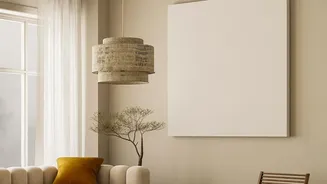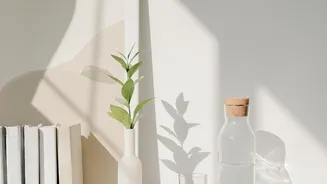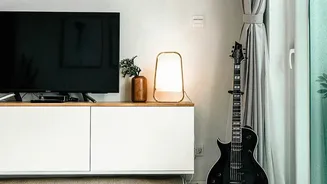

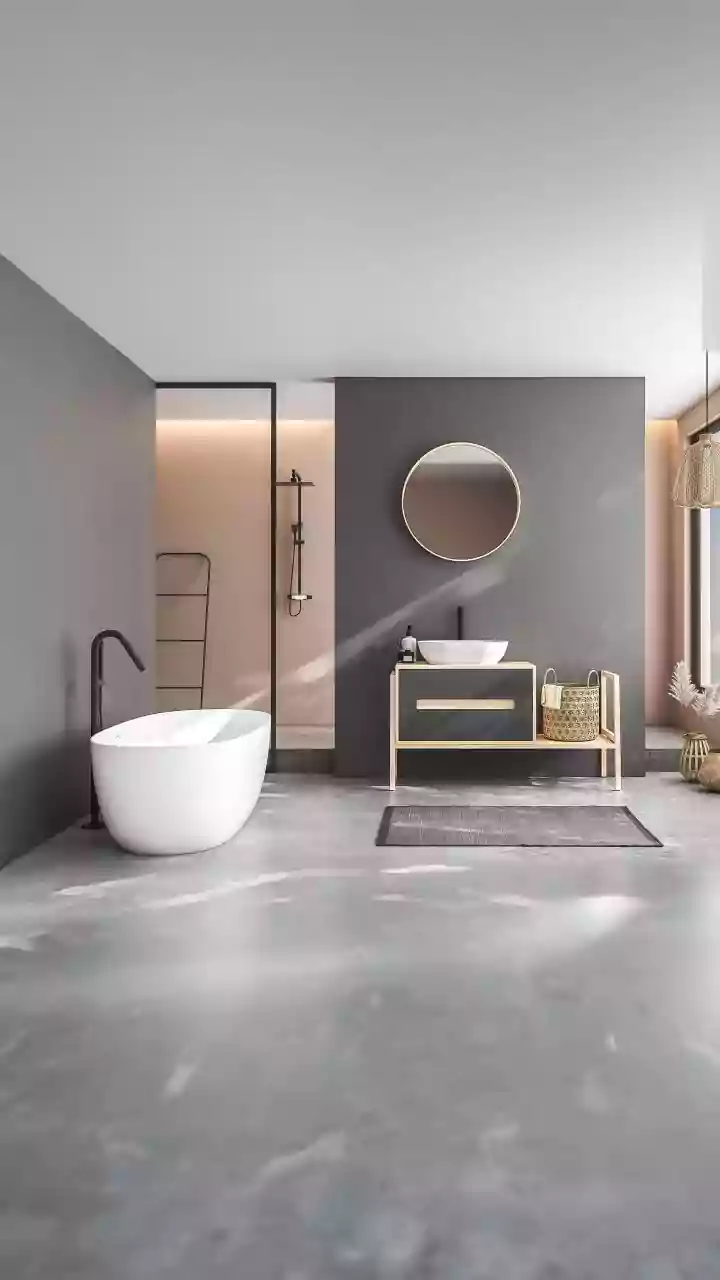
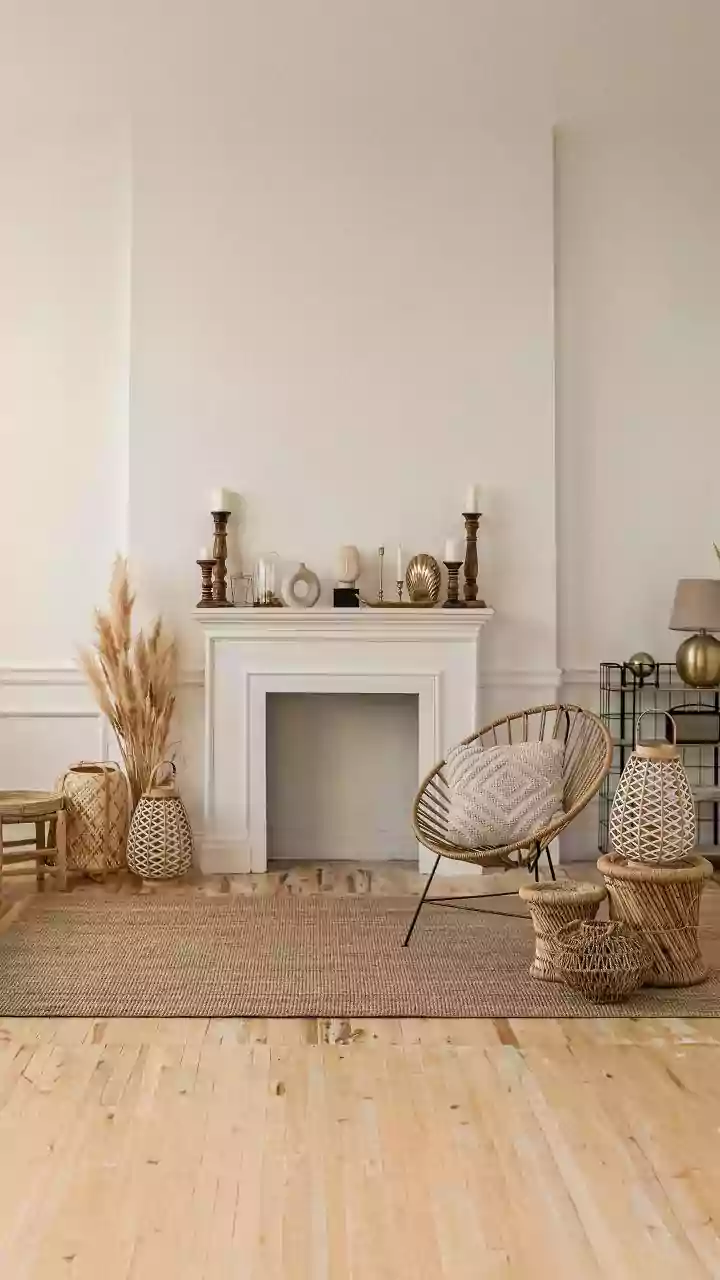
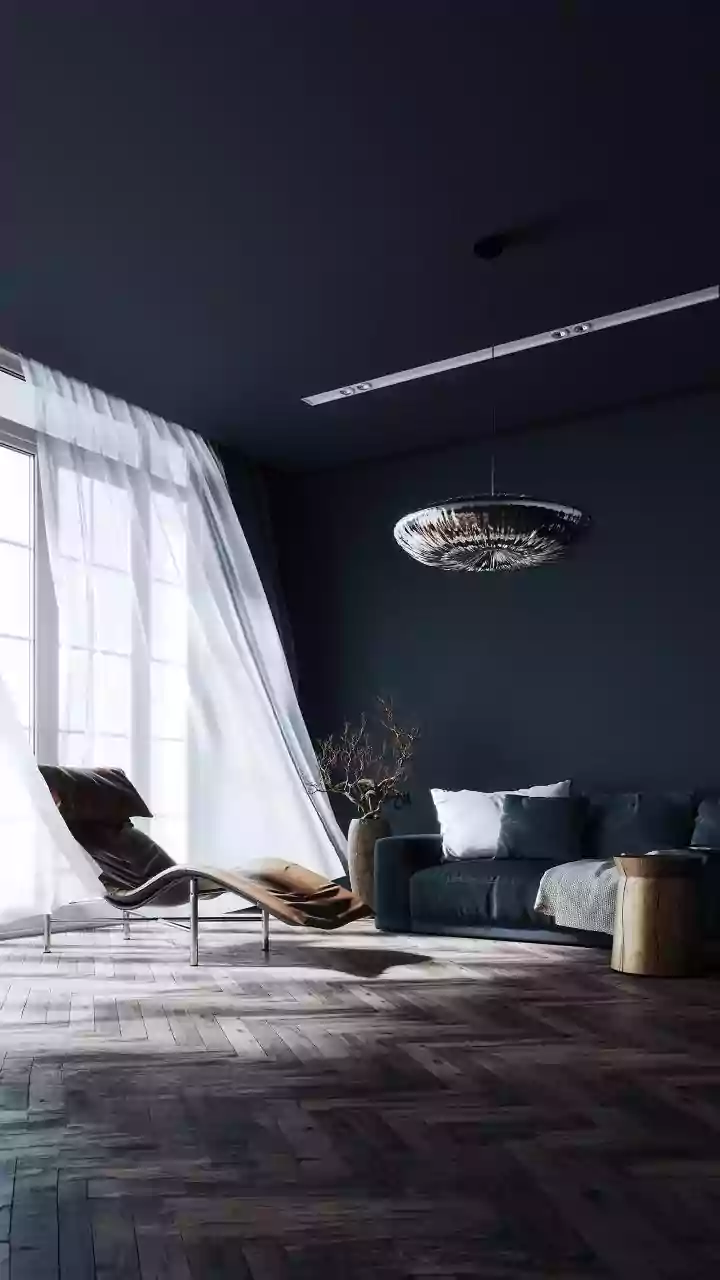
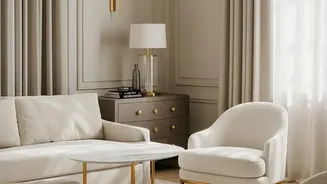
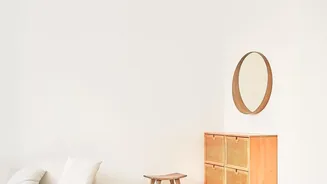
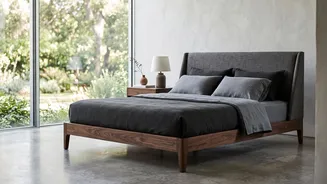
Living in a compact Indian apartment comes with its own charm, but making the space feel open and uncluttered is a common challenge. A neutral colour palette is your secret weapon, creating an illusion of space, light, and serenity.
1. Go Beyond White With Layered Neutrals
The first rule of making
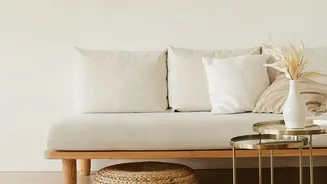
a small space look bigger is to use light colours, but this doesn't mean your home has to look like a sterile clinic. Instead of using a single shade of stark white, embrace the sophistication of layering different neutrals. Think of a palette that includes warm whites, ivory, soft beige, and pale grey. Using various tones of the same colour family on walls, furniture, and textiles creates a cohesive look that is visually calm and uncluttered. For example, pair ivory walls with a slightly darker beige sofa and light grey cushions. This technique adds depth and interest, preventing the room from feeling flat while still maximising the sense of space by reflecting light beautifully.
2. Introduce Warmth With Earthy Tones
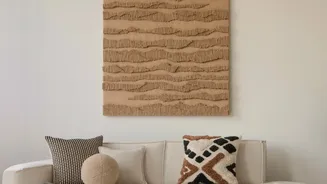
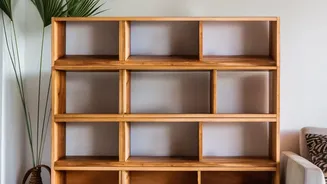
A neutral palette is not limited to just whites and greys. Warm, earthy neutrals are particularly well-suited to the Indian context, adding a welcoming and cosy feel. Consider shades like sand, terracotta, clay, and muted ochre. These colours create a gentle, inviting atmosphere that feels both modern and rooted. A single accent wall behind a sofa in a warm terracotta or dusty blue can add significant character without making the room feel smaller, especially when the other walls remain light. This approach gives you the best of both worlds: the space-enhancing quality of a light palette and the personality of a richer colour. These tones pair wonderfully with natural wood furniture, such as teak or sheesham, which are common in Indian homes.
3. Play With Texture to Add Depth
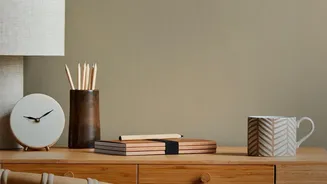
A potential pitfall of a neutral scheme is that it can sometimes feel bland. The key to avoiding this is to introduce a rich variety of textures. When you use different materials in similar colours, you create visual interest without creating visual clutter. Think of a chunky knit throw on a smooth linen sofa, a jute rug under a wooden coffee table, or woven baskets for storage. Even the finish of your paint can make a difference; a satin or gloss finish reflects more light than a matte one. These tactile elements catch the light in different ways, adding depth and sophistication to the room and making the space feel curated and dynamic.
4. Use Mirrors and Metallics Strategically
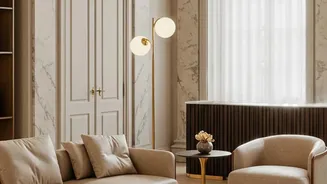
Mirrors are a classic tool for creating the illusion of space in compact homes. Placing a large mirror on a wall opposite a window is a highly effective trick, as it reflects both natural light and the view, doubling the perceived depth of the room. Mirrored wardrobe shutters or a simple mirror in a narrow entryway can also make a significant difference in making an area feel brighter and more open. To complement this, introduce metallic accents in shades like brushed brass, bronze, or muted gold. These can be incorporated through light fixtures, cabinet hardware, or picture frames. The reflective quality of metals adds a touch of glamour and helps to bounce light around the room, enhancing the airy feel of your neutral palette.
5. Create a Seamless Look With Monochromatic Curtains
How you treat your windows can have a major impact on the perception of space. To make ceilings appear higher, hang your curtains from as close to the ceiling as possible, letting them fall to the floor. For the most seamless effect, choose curtains in a light, neutral colour that is very close to your wall colour. This monochromatic approach prevents the visual break that contrasting curtains can create, making the wall appear taller and the room more expansive. Sheer or light-filtering curtains are an excellent choice for Indian apartments, as they allow natural light to pour in while still providing privacy.