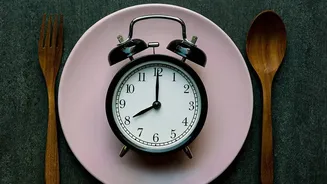







Understanding Your Body Clock
Everyone operates on a slightly different internal schedule, known as a chronotype. This is your body's natural preference for waking up and going to sleep. If you're an 'early bird', you likely feel most active in the morning. If you're a 'night owl',
your peak energy comes later in the day and evening. Recent studies have focused on how these different chronotypes interact with our health. A study from UTHealth Houston specifically looked at adults with obesity and found that those with a late chronotype were more likely to have risk factors for metabolic syndrome. This syndrome is a cluster of conditions, including high blood pressure and excess body fat, that increase the risk of heart disease and type 2 diabetes. The connection isn't just about sleep; it’s about the mismatch between our internal clock and our daily schedules, a phenomenon often called 'social jetlag'.
The Gut Barrier: Your Body's Gatekeeper
To understand the new findings, it helps to know about the gut barrier. Think of it as a tightly controlled gate in your intestines. Its job is to let essential nutrients pass into your bloodstream while keeping harmful substances, like certain bacteria and toxins, contained. When this barrier weakens or becomes more permeable, it's often referred to as a 'leaky gut'. This increased permeability can allow unwanted substances to enter the bloodstream, which may trigger inflammation throughout the body. Chronic inflammation is a known contributor to a wide range of health issues, including the very metabolic problems researchers are now linking to sleep patterns.
The Late-Night Link to Gut Changes
The latest research published in the journal 'iScience' discovered a direct link between late sleep and eating patterns and the integrity of this gut barrier. Researchers found that individuals with a late chronotype, especially when combined with late-night eating, showed signs of increased intestinal permeability. Their gut 'gates' were not as strong. The study suggests that this happens because irregular schedules disrupt the gut microbiome—the trillions of bacteria living in our digestive tract. This disruption can lead to a decrease in beneficial bacteria that produce short-chain fatty acids (SCFAs), which are vital for maintaining a healthy gut lining and controlling inflammation. For example, a late chronotype was associated with a depletion of several beneficial bacteria, including Akkermansia, which is known to support the gut barrier.
Why This Matters for Your Overall Health
The implications of these findings extend beyond just the gut. The research proposes a pathway: a late sleep schedule disrupts the gut microbiome, which in turn weakens the gut barrier. This leaky barrier then allows inflammatory substances to enter the bloodstream, contributing to the low-grade, chronic inflammation associated with metabolic syndrome. The risk appears greatest for those who not only sleep late but also eat late. In one study, nearly three-quarters of participants who were both late sleepers and late eaters had a high burden of metabolic syndrome features, compared to just over 40% of those with earlier schedules. It's a chain reaction where your daily rhythm can have a cascading effect on your metabolic health.
Simple Steps Toward a Healthier Rhythm
While this might sound concerning for night owls, the research also brings good news. The gut microbiome is modifiable. Researchers noted that interventions aimed at improving the microbiome led to better gut barrier function and an increase in beneficial SCFA-producing bacteria. This suggests that you can take proactive steps. Aligning your eating patterns more closely with your body's clock, a field known as chrono-nutrition, may help. This doesn't necessarily mean you have to become a morning person overnight. Instead, focus on consistency. Try to maintain similar sleep and wake times, even on weekends, to reduce social jetlag. Prioritising whole foods, fruits, and nuts while reducing sugar-sweetened beverages can also support a healthier gut microbiome, which may counteract some of the negative effects of a late schedule.