





An Unprecedented Scale of Pilgrimage
The Kanwar Yatra is India's largest annual religious gathering, undertaken by devotees of Lord Shiva, known as Kanwariyas. During the holy month of Shravan, which in 2026 begins on July 30 for North India, they journey on foot to collect sacred water
from the Ganges at pilgrimage sites like Haridwar, Gaumukh, and Sultanganj. They then carry this water for hundreds of kilometres to offer at their local Shiva temples. In recent years, the pilgrimage has grown exponentially, with Haridwar alone drawing an estimated four crore devotees over about two weeks. This sheer volume of foot traffic necessitates a monumental logistical and security response to prevent chaos on the roads.
The Highway Transformation Blueprint
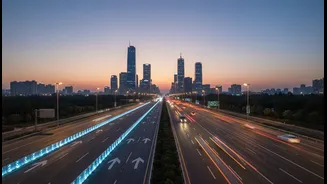
The primary strategy involves extensive traffic diversions on key national highways. The main affected corridor is NH-34 (formerly NH-58), which connects Delhi to Haridwar via Meerut and Muzaffarnagar. A significant stretch of the Delhi-Meerut Expressway also sees phased closures. In a typical year, the process begins about two weeks before the peak day of Sawan Shivratri (August 11 in 2026), starting with a ban on heavy vehicles. As the pilgrimage intensifies, one entire carriageway of the highway is often completely shut to vehicular traffic and dedicated solely to the walking pilgrims. Light vehicles may be restricted to a single lane on the other side before a full closure is implemented in the final, busiest days.
A Coordinated Multi-Agency Effort
Managing this transformation is a complex, multi-state operation. High-level coordination meetings are held between police and civil administration from Uttar Pradesh, Uttarakhand, Delhi, and Haryana to synchronise their plans. A massive security apparatus is deployed, involving state police, traffic police, and central forces like the Rapid Action Force (RAF). The entire route is divided into zones and sectors, with thousands of personnel on the ground. Technology plays a crucial role, with extensive CCTV networks and drones used for real-time monitoring of crowd movement and traffic flow, allowing for swift responses to any potential issues. Emergency services, including ambulances and cranes, are stationed at strategic points along the highways.
Rules of the Road for Pilgrims and Public
For regular commuters, authorities issue detailed traffic advisories well in advance, redirecting them to alternative routes like NH-9 and the Eastern Peripheral Expressway to bypass the closed sections. While this minimises direct conflict, it often leads to significant congestion on the alternative roads. The Kanwariyas are also subject to rules. To enhance safety and maintain order, there are often restrictions on the height of the 'kanwars' and the size of accompanying DJ trucks, which are a popular feature of the yatra. Authorities also work to shut illegal median cuts on highways to prevent accidents and establish numerous temporary camps providing food, shelter, and medical aid.