


As a chill enters the air, our kitchens call for warmth and comfort. Winter in India brings a bounty of seasonal produce perfect for creating nourishing, hearty meals that soothe the soul and keep the cold at bay. Here are some simple ideas.
Embrace Hearty Greens
Winter is
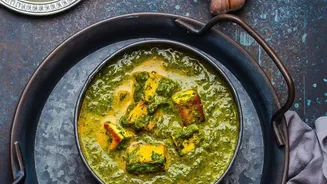
the peak season for a variety of nutritious leafy greens. Mustard greens (sarson), fenugreek (methi), spinach (palak), and chenopodium (bathua) are at their freshest and most flavorful. The most iconic dish is Sarson ka Saag, a Punjabi classic where mustard greens are slow-cooked with other greens and spices, then served with makki ki roti (maize flatbread) and a dollop of white butter. For a simpler approach, finely chop methi or palak and knead the leaves into paratha dough for a nutrient-packed breakfast. You can also wilt these greens into your everyday dal or use them as a simple sabzi, stir-fried with garlic and minimal spices, to make a quick and healthy side dish.
Utilise Warming Root Vegetables
The ground offers its best during winter, with root vegetables like carrots, radishes, turnips, and beetroots becoming abundant. The vibrant red 'Delhi carrots' that appear in winter are perfect for making Gajar ka Halwa, a beloved dessert of grated carrots slow-cooked in milk and ghee. Radishes (mooli) are ideal for stuffing into parathas for a spicy, satisfying breakfast. For a simple weeknight dinner, you can chop a mix of winter roots like carrots, turnips, and sweet potatoes, toss them with oil and spices, and roast them until tender and caramelized. They can also be boiled and mashed or turned into comforting soups and stews.
Rely on Millets and Whole Grains
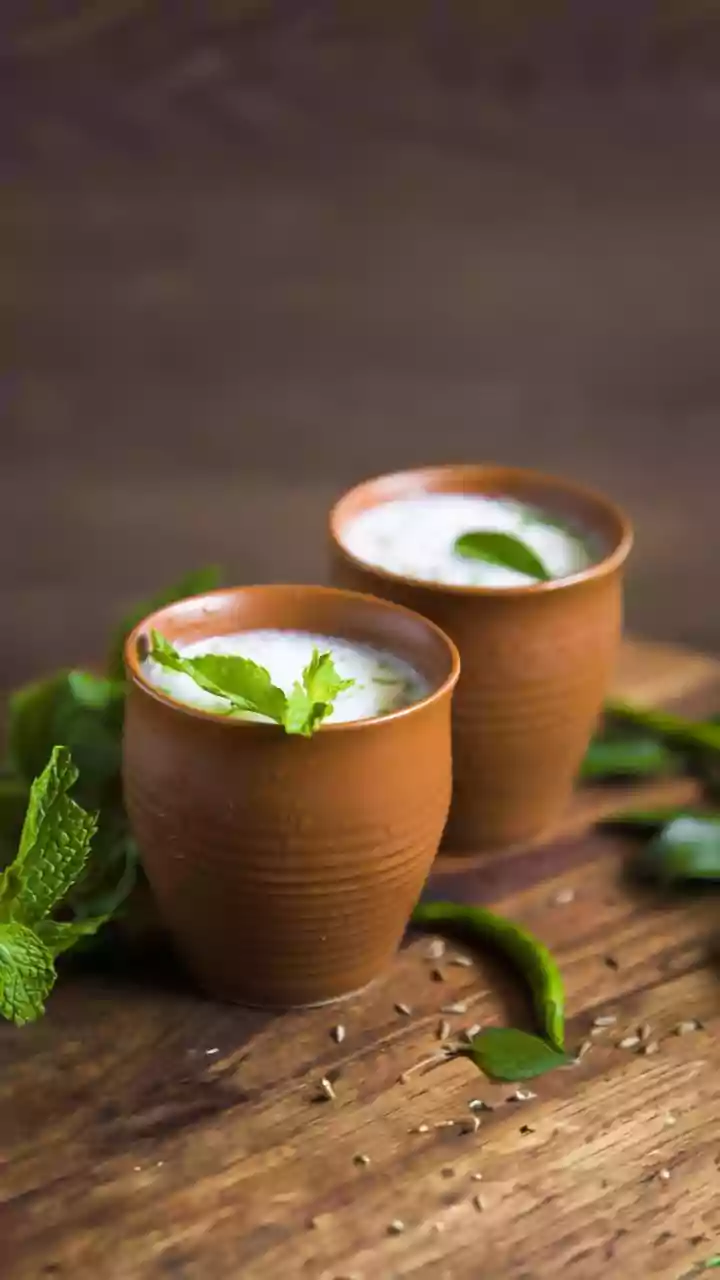
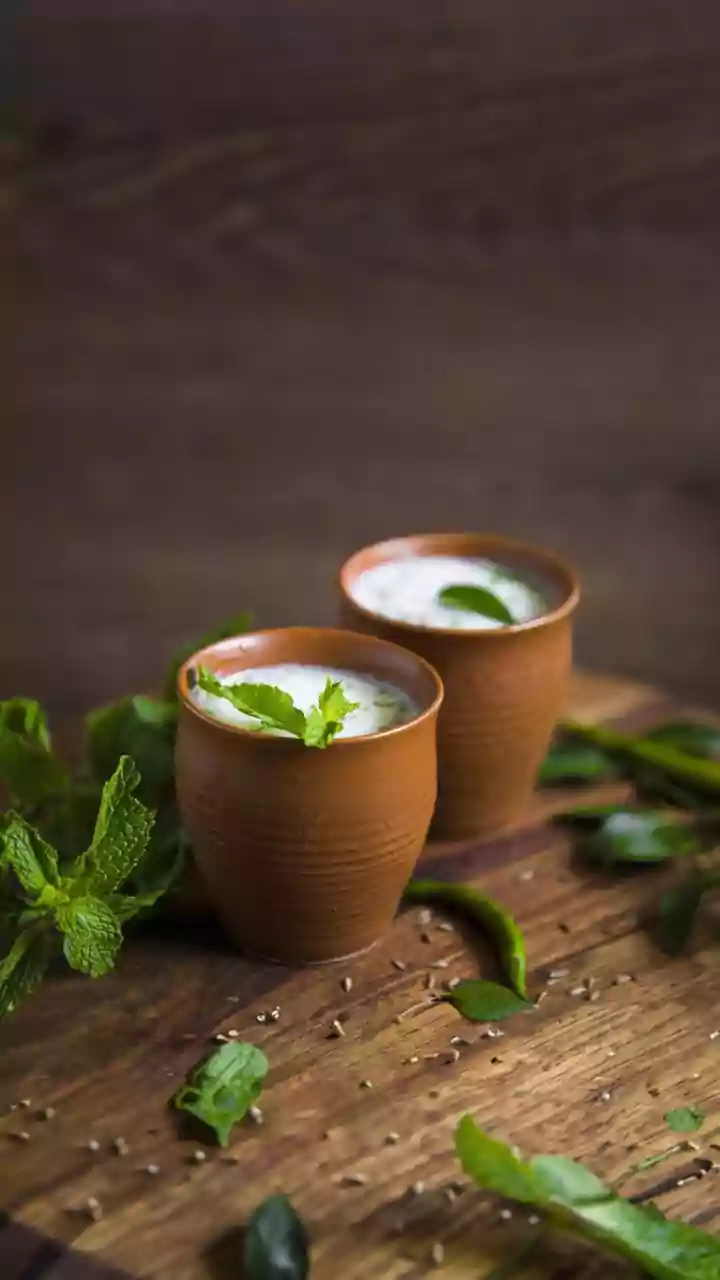
Traditional Indian diets have always included millets, which are known for their warming properties. In states like Rajasthan and Gujarat, pearl millet (bajra) rotis become a staple, often served with garlic chutney and a vegetable curry. Similarly, maize flour (makki) is essential for the classic pairing with Sarson ka Saag. These flours are denser and more energy-rich, making them ideal for colder weather. You can also make a savoury porridge like Bajre ki Raab, a traditional Rajasthani and Gujarati drink made from bajra flour and spices, for a warming and wholesome meal.
Power Up with Lentils and Legumes
While dal is a yearnd staple, winter is the time for richer, heartier preparations. Rajma Masala, a comforting kidney bean curry in a thick tomato_based gravy, is a North Indian favourite often served with rice. Chole (chickpea curry) is another excellent option for a filling and flavourful meal. For a dish that combines lentils and rice into one_pot comfort, Moong Dal Khichdi is the ultimate choice. It's gentle on the stomach yet deeply nourishing, often served with a dollop of ghee, which is itself considered a warming food in winter.
Warm Up with Spices and Beverages
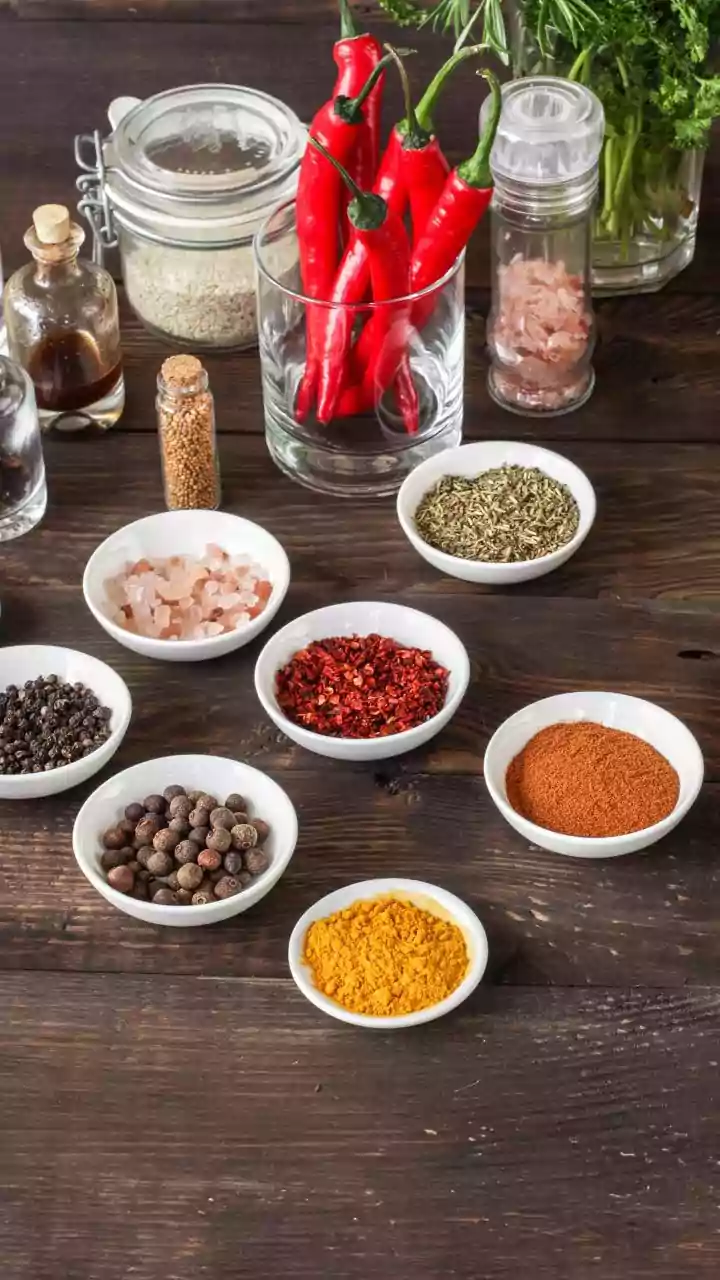
Spices are central to Indian cooking, but some are particularly suited for winter. Ginger, cinnamon, cloves, and black pepper are considered 'warming' spices. A simple way to incorporate them is through beverages. A hot cup of Masala Chai, brewed with ginger and cardamom, is a daily ritual in many homes. For a caffeine_free option, Haldi Doodh (turmeric milk), also known as golden milk, is an immunity_boosting drink perfect before bed. For a truly regal experience, Kashmiri Kahwa combines green tea with saffron, cinnamon, and cardamom for a fragrant and warming brew.
Enjoy Seasonal Winter Fruits
Winter brings a wonderful array of fruits packed with Vitamin C, crucial for boosting immunity during the colder months. Oranges, particularly the Nagpur and Kinnow varieties, are at their peak. Guavas, pomegranates, and amla (Indian gooseberry) are also widely available. While they are perfect to be eaten as is, you can also juice them for a fresh start to your day or add pomegranate arils to salads and yogurt for a burst of colour and antioxidants. Amla is often used to make pickles or murabba (a sweet preserve) that can be enjoyed throughout the year.